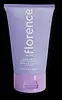
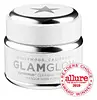
Florence by Mills Clear The Way Clarifying Mud Mask Versus GLAMGLOW SUPERMUD® Charcoal Instant Treatment Mask
This wash off mask is formulated around Salicylic Acid to clear breakouts and unclog pores.
This wash off mask is formulated around Salicylic Acid to clear breakouts and unclog pores.


What's inside
What's inside
 Key Ingredients
Benefits
Concerns
Ingredients Side-by-side
Water
Skin ConditioningKaolin
Abrasive



Magnesium Aluminum Silicate
Absorbent
Charcoal Powder
Abrasive
Propylene Glycol
Humectant


Cucumis Sativus Fruit Water
Skin ConditioningAloe Barbadensis Leaf Juice
Skin Conditioning

Lavandula Angustifolia Oil
Masking




Melaleuca Alternifolia Leaf Oil
Antioxidant
Salicylic Acid
Masking




Caprylyl Glycol
Emollient
Ethylhexylglycerin
Skin ConditioningGlycerin
Humectant

Hectorite
AbsorbentXanthan Gum
EmulsifyingButylene Glycol
Humectant
Sodium Salicylate
Preservative
Potassium Sorbate
Preservative
Citric Acid
Buffering
Sodium Benzoate
Masking
Linalool
Perfuming
CI 77499
Cosmetic ColorantWater, Kaolin, Magnesium Aluminum Silicate, Charcoal Powder, Propylene Glycol, Cucumis Sativus Fruit Water, Aloe Barbadensis Leaf Juice, Lavandula Angustifolia Oil, Melaleuca Alternifolia Leaf Oil, Salicylic Acid, Caprylyl Glycol, Ethylhexylglycerin, Glycerin, Hectorite, Xanthan Gum, Butylene Glycol, Sodium Salicylate, Potassium Sorbate, Citric Acid, Sodium Benzoate, Linalool, CI 77499
Water
Skin ConditioningKaolin
Abrasive
Magnesium Aluminum Silicate
Absorbent
Mandelic Acid
Antimicrobial

Carbon
Eucalyptus Globulus Leaf
Skin ConditioningTartaric Acid
Buffering
Pyruvic Acid
MaskingLactic Acid
Buffering
Salicylic Acid
Masking
Glycolic Acid
Buffering
Eucalyptus Globulus Leaf Powder
Abrasive
Aloe Barbadensis Leaf Juice
Skin Conditioning
Glycyrrhiza Glabra Root Extract
Bleaching
Cucumis Sativus Fruit Extract
Emollient
Hedera Helix Extract
AntimicrobialSymphytum Officinale Leaf Extract
Skin ConditioningChamomilla Recutita Extract
Skin Conditioning
PEG-12 Dimethicone
Skin Conditioning
Caprylyl Glycol
Emollient
Sodium Hydroxide
BufferingButylene Glycol
Humectant
Mentha Piperita Oil
Masking
Hectorite
AbsorbentHexylene Glycol
EmulsifyingGlycerin
Humectant
Calendula Officinalis Extract
Skin Conditioning
Maltodextrin
Absorbent
Ethylhexylglycerin
Skin ConditioningXanthan Gum
EmulsifyingParfum
Masking
Limonene
Perfuming
Benzyl Benzoate
Antimicrobial
Linalool
Perfuming
Phenoxyethanol
Preservative
Potassium Sorbate
Preservative
Sodium Benzoate
Masking
CI 77499
Cosmetic ColorantWater, Kaolin, Magnesium Aluminum Silicate, Mandelic Acid, Carbon, Eucalyptus Globulus Leaf, Tartaric Acid, Pyruvic Acid, Lactic Acid, Salicylic Acid, Glycolic Acid, Eucalyptus Globulus Leaf Powder, Aloe Barbadensis Leaf Juice, Glycyrrhiza Glabra Root Extract, Cucumis Sativus Fruit Extract, Hedera Helix Extract, Symphytum Officinale Leaf Extract, Chamomilla Recutita Extract, PEG-12 Dimethicone, Caprylyl Glycol, Sodium Hydroxide, Butylene Glycol, Mentha Piperita Oil, Hectorite, Hexylene Glycol, Glycerin, Calendula Officinalis Extract, Maltodextrin, Ethylhexylglycerin, Xanthan Gum, Parfum, Limonene, Benzyl Benzoate, Linalool, Phenoxyethanol, Potassium Sorbate, Sodium Benzoate, CI 77499
Reviews
Ingredients Explained
These ingredients are found in both products.
Ingredients higher up in an ingredient list are typically present in a larger amount.
Aloe Barbadensis Leaf Juice is the filtered, stabilized liquid pressed from the inner gel of the aloe vera leaf.
In cosmetics, it shows up as either soothing active or a water-replacement base. It is roughly 98-99% water and the last 1-2% is an interesting mix of polysaccharides, amino acids, vitamins, minerals, and enzymes.
The polysaccharides do most of the work: they bind water at the skin surface for a light, non-greasy hydration boost. And one of the polysaccharides, glycomannan, is linked to fibroblast stimulation + collagen synthesis. This is also why aloe has such a long track record in wound and burn healing.
This ingredient is also calming with anti-inflammatory and mild antimicrobial activity, making it a great pick for sensitive, irritated, or post-sun skin.
Realistic expectations matter though; the solid evidence is mostly limited to hydration, soothing, and wound support. Deeper claims about anti-aging or sun protection are not well backed, and science reviews note it does not prevent radiation-induced skin injury.
Because it plays well with almost everything, it's commonly used as a base alongside other actives like niacinamide or vitamin C.
Typical usage concentrations range from 0.5% (where hydration benefits already show up) all the way to 90%+ (where it replaces water as the main base).
The safety for this ingredient is well-establish as well. Overall, this is a great supporting ingredient for those who want a boost in hydration.
Learn more about Aloe Barbadensis Leaf JuiceButylene Glycol (or BG) is used within cosmetic products for a few different reasons:
Overall, Butylene Glycol is a safe and well-rounded ingredient that works well with other ingredients.
Though this ingredient works well with most skin types, some people with sensitive skin may experience a reaction such as allergic rashes, closed comedones, or itchiness.
Learn more about Butylene GlycolCaprylyl Glycol is a humectant, skin conditioner, emollient, and preservative booster derived from either caprylic acid or synthetically created.
Typical use levels vary from 0.3-1% as a preservative booster and go up to 2% to condition skin.
Because it is not a free-fatty acid, this ingredient is fungal acne safe (there's nothing for Malassezia to feed on).
Learn more about Caprylyl GlycolCi 77499 is also hydrated iron III oxide. It is created from mixing red and black iron oxides. This helps give shades of darkness to a product.
Iron III oxides are classified as inorganic chemicals for coloring.
Ethylhexylglycerin is created from glycerin. It is a multitasker ingredient that:
The CIR Expert Panel found minimal skin absorption or sensitization of any kind in a safety assessment. Though this ingredient is considered well-tolerated, a small number of cases of allergic dermatitis have been published since 2002. Just be sure to patch test if you are unsure.
Industry-reported use ranges from 8% in rinse-off products and 2% in leave-on formulations.
Learn more about EthylhexylglycerinGlycerin (or glycerol) is a compound naturally found in your skin. It's a powerhouse humectant that pulls water into the stratum corneum.
Topically, glycerin does several things at once:
Your skin makes glycerin on its own (mostly from sebaceous oil breakdown) and shuttles it to your outermost layer of skin, or your epidermis, via aquaporin-3.
Aquaporin-3 is a transporter that is essential for normal skin hydration, elasticity, and repair. Interestingly, mice lacking in AQP3 have dry and less elastic skin that can be fully corrected with glycerin.
This ingredient is non-irritating, plays well with almost every ingredient, and works across all skin types. Typical use is anywhere between 3-10% but can go up to 79% in some leave-on products.
Just know very high concentrations (>40%) can feel tacky in low humidity.
Glycerin is the name for this ingredient in American English. British English uses Glycerol/Glycerine.
Learn more about GlycerinWe don't have a description for Hectorite yet.
Kaolin is a clay. It is used for oil control and to help minimize pores. Like other clays, kaolin has the ability to absorb excess sebum or oil. This can help clean out pores and mattify the skin.
Some types of kaolin may have exfoliating properties. When water is added to kaolin, it becomes a paste with small abrasive particles.
Most kaolin is a white color, but may be pink/orange/red depending on where it comes from.
The name 'kaolin' comes from a Chinese village named 'Gaoling'. Kaolin clay comes from rocks rich in kaolinite. Kaolinite, the mineral, has a silicate layered structure. Kaolinite is formed from chemical weathering of aluminum siilicate minerals.
Besides skincare, kaolin is commonly used to make glossy paper, in ceramics, toothpaste, and as medicine to soothe stomach issues.
Learn more about KaolinLinalool is a small, naturally occurring scent molecule found in plants like lavender, coriander, bergamot, and more.
It is one of the two most-used fragrance ingredients in cosmetics and added purely for smell. Since it's not used for a skin benefit, there's no "effective dose". Concentration depends on the fragrance load of the product.
The EU requires it to be named on the label above 0.001% in leave-on and 0.01% in rinse-off products.
Fresh linalool is a weak sensitizer but air exposure turns some of it into hydroperoxides, which are strong sensitizers. Those oxidation products are the actual allergy concern.
Patch-test clinics see positive reactions to linalool hydroperoxides in about 4% to 12% of dermatitis patients depending on country and test concentration.
Resassuringly, one analytical study found hydroperoxide levels in real fragranced products to be orders of magnitude below what induced sensitization in animal studies with no evidence of oxidation building up during normal storage.
The practical takeaway is that linalool is fine for most people but worth avoiding if you have a confirmed fragrance contact allergy or a badly compromised barrier.
Products stored a long time after opening are also the high-risk scenario since that is when oxidation happens.
The scent of linalool is described as floral, spicy tropical, and citrus-like.
Learn more about LinaloolMagnesium Aluminum Silicate is a type of silica. It comes from naturally occuring minerals such as silicate ores and clay.
Magnesium aluminum silicate is used for enhancing texture and as an absorbent. Due to its large molecular size, it is unable to be absorbed into the skin.
Like other types of silica, this ingredient can be used to thicken a product. As an absorbent, it may be used to absorb extra water or help prevent clumping.
Although “aluminum” in an ingredient name can raise red flags for some consumers, the form and usage context matter significantly. For typical topical applications, there is no substantial evidence of health risks - such as cancer, neurotoxicity, or systemic “aluminum overload.”
Learn more about Magnesium Aluminum SilicatePotassium Sorbate is a preservative used to prevent yeast and mold in products. It is commonly found in both cosmetic and food products.
This ingredient comes from potassium salt derived from sorbic acid. Sorbic acid is a natural antibiotic and effective against fungus.
Both potassium sorbate and sorbic acid can be found in baked goods, cheeses, dried meats, dried fruit, ice cream, pickles, wine, yogurt, and more.
You'll often find this ingredient used with other preservatives.
Learn more about Potassium SorbateSalicylic Acid (also known as beta hydroxy acid or BHA) is a well-known ingredient for treating skin that struggles with acne and clogged pores. It exfoliates both the skin's surface and deep within the pores to help clear out buildup, control oil, and reduce inflammation.
Unlike AHAs (alpha hydroxy acids), salicylic acid is oil-soluble. This allows it to penetrate into pores which makes it especially effective for treating blackheads and preventing future breakouts.
Salicylic acid is also known for its soothing properties. It has a similar structure to aspirin and can calm inflamed or irritated skin, making it a good option for acne-prone skin that is also sensitive.
Concentrations of 0.5-2% are recognized by the U.S. FDA as an over-the-counter topical acne product.
It can cause irritation and/or dryness if one's skin already has a compromised moisture barrier, so it's best to focus on repairing that before introducing this ingredient into your routine.
While salicylic acid does not increase sun sensitivity, it’s still important to wear sunscreen daily to protect your skin.
If you are looking for the ingredient called BHA or Butylated Hydroxyanisole, click here.
Learn more about Salicylic AcidSodium Benzoate is a preservative. It's used in both cosmetic and food products to inhibit the growth of mold and bacteria. It is typically produced synthetically.
Both the US FDA and EU Health Committee have approved the use of sodium benzoate. In the US, levels of 0.1% (of the total product) are allowed.
Sodium benzoate works as a preservative by inhibiting the growth of bacteria inside of cells. It prevents the cell from fermenting a type of sugar using an enzyme called phosphofructokinase.
It is the salt of benzoic acid. Foods containing sodium benzoate include soda, salad dressings, condiments, fruit juices, wines, and snack foods.
Studies for using ascorbic acid and sodium benzoate in cosmetics are lacking, especially in skincare routines with multiple steps.
We always recommend speaking with a professional, such as a dermatologist, if you have any concerns.
Learn more about Sodium BenzoateWater. It's the most common cosmetic ingredient of all. You'll usually see it at the top of ingredient lists, meaning that it makes up the largest part of the product.
So why is it so popular? Water most often acts as a solvent - this means that it helps dissolve other ingredients into the formulation.
You'll also recognize water as that liquid we all need to stay alive. If you see this, drink a glass of water. Remember to stay hydrated!
Learn more about WaterXanthan gum is used as a stabilizer and thickener within cosmetic products. It helps give products a sticky, thick feeling - preventing them from being too runny.
On the technical side of things, xanthan gum is a polysaccharide - a combination consisting of multiple sugar molecules bonded together.
Xanthan gum is a pretty common and great ingredient. It is a natural, non-toxic, non-irritating ingredient that is also commonly used in food products.
Learn more about Xanthan Gum

