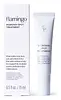
This acne treatment is formulated around Benzoyl Peroxide to clear breakouts.

What's inside
What's inside
 Key Ingredients
Benefits
Concerns
Ingredients Side-by-side
Water
Skin ConditioningDimethicone
Emollient

Isododecane
EmollientPolysilicone-11

Salix Alba Bark Extract
Astringent

Coco-Caprylate/Caprate
Emollient
Lactic Acid
Buffering







Propanediol
Solvent

Polyacrylamide
Butylene Glycol
Humectant
Vaccinium Myrtillus Fruit Extract
Skin ConditioningSaccharum Officinarum Extract
MoisturisingCitrus Aurantium Dulcis Fruit Extract
MaskingCitrus Limon Fruit Extract
Masking
Acer Saccharum Extract
Skin ConditioningCentella Asiatica Leaf Extract
Skin Conditioning
Bisabolol
Antioxidant
Zingiber Officinale Root Extract
Masking
Glycerin
Humectant
C13-14 Isoparaffin
Emollient
Isopropyl Myristate
Emollient

Sodium Acrylates Copolymer
Ethylhexylglycerin
Skin ConditioningLaureth-7
EmulsifyingLecithin
Emollient
Sodium Hydroxide
BufferingDecyl Glucoside
Cleansing
Disodium EDTA
ChelatingLaureth-12
EmulsifyingCaprylyl Glycol
Emollient
Hexylene Glycol
EmulsifyingSodium Carbonate
BufferingPhenoxyethanol
Preservative
Water, Dimethicone, Isododecane, Polysilicone-11, Salix Alba Bark Extract, Coco-Caprylate/Caprate, Lactic Acid, Propanediol, Polyacrylamide, Butylene Glycol, Vaccinium Myrtillus Fruit Extract, Saccharum Officinarum Extract, Citrus Aurantium Dulcis Fruit Extract, Citrus Limon Fruit Extract, Acer Saccharum Extract, Centella Asiatica Leaf Extract, Bisabolol, Zingiber Officinale Root Extract, Glycerin, C13-14 Isoparaffin, Isopropyl Myristate, Sodium Acrylates Copolymer, Ethylhexylglycerin, Laureth-7, Lecithin, Sodium Hydroxide, Decyl Glucoside, Disodium EDTA, Laureth-12, Caprylyl Glycol, Hexylene Glycol, Sodium Carbonate, Phenoxyethanol






Reviews
Ingredients Explained
These ingredients are found in both products.
Ingredients higher up in an ingredient list are typically present in a larger amount.
Disodium EDTA is a chelating agent. It grabs onto and deactivates metal ions that sneak into your products from water, packaging, or air.
This ingredient mainly works behind the scenes and helps with:
On top of that, this ingredient can counteract the effects of hard water by binding to the minerals in it.
One thing worth knowing is that Disodium EDTA has been shown to be a mild penetration enhancer. It can help other ingredients absorb into skin more effectively which can be a double-edged sword (great for actives, but can also make the active too strong if you have sensitive skin).
Clinical patch testing showed no significant skin irritation at typical use concentrations and minimal dermal absorption.
You'll most likely see this ingredient near the end of an ingredient list. It's typically found in concentrations less than 1%.
Learn more about Disodium EDTASodium Hydroxide is also known as lye or caustic soda. It is used to adjust the pH of products; many ingredients require a specific pH to be effective.
In small amounts, sodium hydroxide is considered safe to use. However, large amounts may cause chemical burns due to its high alkaline.
Your skin has a natural pH and acid mantle. This acid mantle helps prevent harmful bacteria from breaking through. The acid mantle also helps keep your skin hydrated.
"Alkaline" refers to a high pH level. A low pH level would be considered acidic.
Learn more about Sodium HydroxideWater. It's the most common cosmetic ingredient of all. You'll usually see it at the top of ingredient lists, meaning that it makes up the largest part of the product.
So why is it so popular? Water most often acts as a solvent - this means that it helps dissolve other ingredients into the formulation.
You'll also recognize water as that liquid we all need to stay alive. If you see this, drink a glass of water. Remember to stay hydrated!
Learn more about Water

