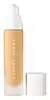
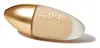
Fenty Beauty Pro Filt’r Soft Matte Longwear Liquid Foundation Versus Lisa Eldridge Seamless Skin Foundation


What's inside
What's inside
 Key Ingredients
Benefits
Concerns
No concerns
Ingredients Side-by-side
Water
Skin ConditioningDimethicone
Emollient

Talc
Abrasive
PEG-10 Dimethicone
Skin Conditioning
Trimethylsiloxysilicate
Emollient
Polypropylene
Isododecane
EmollientCetyl PEG/PPG-10/1 Dimethicone
Emulsifying
Nylon-12


Hdi/Trimethylol Hexyllactone Crosspolymer
Phenoxyethanol
Preservative
Sodium Chloride
MaskingHydrogen Dimethicone
Glycerin
Humectant

Magnesium Sulfate
Sodium Dehydroacetate
Preservative
Disteardimonium Hectorite
StabilisingAluminum Hydroxide
EmollientMethicone
Emollient
Benzoic Acid
Masking
Dehydroacetic Acid
Preservative
Propylene Carbonate
SolventEthylhexylglycerin
Skin ConditioningParfum
Masking


Silica
Abrasive
Biosaccharide Gum-4
Skin Conditioning
Ananas Sativus Fruit Extract
Skin ConditioningCarica Papaya Fruit Extract
Skin ConditioningPaullinia Cupana Seed Extract
Skin ConditioningPotassium Sorbate
Preservative
Sorbic Acid
Preservative
Titanium Dioxide
Cosmetic Colorant
Iron Oxides
Water, Dimethicone, Talc, PEG-10 Dimethicone, Trimethylsiloxysilicate, Polypropylene, Isododecane, Cetyl PEG/PPG-10/1 Dimethicone, Nylon-12, Hdi/Trimethylol Hexyllactone Crosspolymer, Phenoxyethanol, Sodium Chloride, Hydrogen Dimethicone, Glycerin, Magnesium Sulfate, Sodium Dehydroacetate, Disteardimonium Hectorite, Aluminum Hydroxide, Methicone, Benzoic Acid, Dehydroacetic Acid, Propylene Carbonate, Ethylhexylglycerin, Parfum, Silica, Biosaccharide Gum-4, Ananas Sativus Fruit Extract, Carica Papaya Fruit Extract, Paullinia Cupana Seed Extract, Potassium Sorbate, Sorbic Acid, Titanium Dioxide, Iron Oxides
Water
Skin ConditioningDimethicone
Emollient
Methyl Trimethicone
Skin Conditioning
Trimethylsiloxysilicate
Emollient
Diphenyl Dimethicone/Vinyl Diphenyl Dimethicone/Silsesquioxane Crosspolymer
Propanediol
Solvent
PEG-10 Dimethicone
Skin Conditioning
Silica
Abrasive
Glycerin
Humectant
Butylene Glycol
Humectant
Mica
Cosmetic ColorantPhenoxyethanol
Preservative
Disteardimonium Hectorite
StabilisingDimethicone/Vinyl Dimethicone Crosspolymer
Skin Conditioning
Bambusa Arundinacea Stem Extract
Skin ConditioningSodium Chloride
MaskingSorbitan Sesquiisostearate
Emulsifying
Hydrogenated Lecithin
Emulsifying
Ethylhexylglycerin
Skin ConditioningTitanium Dioxide
Cosmetic Colorant
Caesalpinia Spinosa Fruit Extract
Skin ProtectingTropaeolum Majus Flower/Leaf/Stem Extract
Skin ConditioningTriethoxycaprylylsilane
Alumina
Abrasive
Magnesium Oxide
AbsorbentKappaphycus Alvarezii Extract
Skin ConditioningMethicone
Emollient
Camellia Sinensis Leaf Extract
Antimicrobial




Iron Oxides
Water, Dimethicone, Methyl Trimethicone, Trimethylsiloxysilicate, Diphenyl Dimethicone/Vinyl Diphenyl Dimethicone/Silsesquioxane Crosspolymer, Propanediol, PEG-10 Dimethicone, Silica, Glycerin, Butylene Glycol, Mica, Phenoxyethanol, Disteardimonium Hectorite, Dimethicone/Vinyl Dimethicone Crosspolymer, Bambusa Arundinacea Stem Extract, Sodium Chloride, Sorbitan Sesquiisostearate, Hydrogenated Lecithin, Ethylhexylglycerin, Titanium Dioxide, Caesalpinia Spinosa Fruit Extract, Tropaeolum Majus Flower/Leaf/Stem Extract, Triethoxycaprylylsilane, Alumina, Magnesium Oxide, Kappaphycus Alvarezii Extract, Methicone, Camellia Sinensis Leaf Extract, Iron Oxides
Reviews
Ingredients Explained
These ingredients are found in both products.
Ingredients higher up in an ingredient list are typically present in a larger amount.
Dimethicone is a type of synthetic silicone created from natural materials such as quartz. It is also known as polydimethylsiloxane.
What it does:
Dimethicone comes in different viscosities:
Depending on the viscosity, dimethicone has different properties.
Ingredients lists don't always show which type is used, so we recommend reaching out to the brand if you have questions about the viscosity.
This ingredient is unlikely to cause irritation because it does not get absorbed into skin. However, people with silicone allergies should be careful about using this ingredient.
Note: Dimethicone may contribute to pilling. This is because it is not oil or water soluble, so pilling may occur when layered with products. When mixed with heavy oils in a formula, the outcome is also quite greasy.
Learn more about DimethiconeDisteardimonium Hectorite comes from the clay mineral named hectorite. It is used to add thickness to a product.
It can also help stabilize a product by helping to disperse other ingredients.
Hectorite is a rare, white clay mineral.
Learn more about Disteardimonium HectoriteEthylhexylglycerin is created from glycerin. It is a multitasker ingredient that:
The CIR Expert Panel found minimal skin absorption or sensitization of any kind in a safety assessment. Though this ingredient is considered well-tolerated, a small number of cases of allergic dermatitis have been published since 2002. Just be sure to patch test if you are unsure.
Industry-reported use ranges from 8% in rinse-off products and 2% in leave-on formulations.
Learn more about EthylhexylglycerinGlycerin (or glycerol) is a compound naturally found in your skin. It's a powerhouse humectant that pulls water into the stratum corneum.
Topically, glycerin does several things at once:
Your skin makes glycerin on its own (mostly from sebaceous oil breakdown) and shuttles it to your outermost layer of skin, or your epidermis, via aquaporin-3.
Aquaporin-3 is a transporter that is essential for normal skin hydration, elasticity, and repair. Interestingly, mice lacking in AQP3 have dry and less elastic skin that can be fully corrected with glycerin.
This ingredient is non-irritating, plays well with almost every ingredient, and works across all skin types. Typical use is anywhere between 3-10% but can go up to 79% in some leave-on products.
Just know very high concentrations (>40%) can feel tacky in low humidity.
Glycerin is the name for this ingredient in American English. British English uses Glycerol/Glycerine.
Learn more about GlycerinMethicone is a type of silicone and is a simpler form of dimethicone.
Silicones are used to enhance the texture of products and have emollient properties. Methicone is used to give products a silky texture and improves spreadability.
Peg-10 Dimethicone is silicone with conditioner and emulsifier properties. It mostly acts as an emollient in skincare and and humectant in haircare.
According to the manufacturer, acidic formulations decrease the stability of this ingredient. It works best in neutral or near neutral formulations.
Phenoxyethanol is a preservative that has germicide, antimicrobial, and aromatic properties. Studies show that phenoxyethanol can prevent microbial growth. By itself, it has a scent that is similar to that of a rose.
It's often used in formulations along with Caprylyl Glycol to preserve the shelf life of products.
Silica, also known as silicon dioxide, is a naturally occurring mineral. It is used as a fine, spherical, and porous powder in cosmetics.
Though it has exfoliant properties, the function of silica varies depending on the product.
The unique structure of silica enhances the spreadability and adds smoothness, making it a great texture enhancer.
It is also used as an active carrier, emulsifier, and mattifier due to its ability to absorb excess oil.
In some products, tiny microneedles called spicules are made from silica or hydrolyzed sponge. When you rub them in, they lightly polish away dead skin layers and enhance the penetration of active ingredients.
Learn more about SilicaChances are, you eat sodium chloride every day. Sodium Chloride is also known as table salt. This ingredient has many purposes in skincare: thickener, emulsifier, and exfoliator.
You'll most likely find this ingredient in cleansers where it is used to create a gel-like texture. As an emulsifier, it also prevents ingredients from separating.
You might see people debate whether Sodium Chloride is comedogenic, but there actually haven't been any comedogenic tests done on it. Either way, the overall formulation of a product matters a lot more than any single ingredient.
You might see this ingredient used in scrubs as a primary exfoliating ingredient.
Learn more about Sodium ChlorideTitanium dioxide is a mineral UV filter widely used in sunscreens and cosmetics.
It is one of only two UV filters officially classified as “mineral” by regulatory agencies, the other being zinc oxide.
Titanium dioxide provides broad-spectrum protection mostly in the UVB and UVAII range, with some protection in the UVAI range.
While its UVA protection isn’t as strong as zinc oxide’s, the difference is minor.
A common myth is that mineral UV filters reflect UV light. However, modern research shows titanium dioxide absorbs UV radiation like chemical filters (~95% absorption & 5% reflection).
Thanks to its non-irritating nature, titanium dioxide is suitable for sensitive, acne-prone, or redness-prone skin. It is unlikely to cause "eye sting" like other sunscreen ingredients.
A major drawback of this ingredient is its white cast and thick texture. This is why mineral sunscreens often leave a white cast and are less cosmetically elegant than chemical/hybrid sunscreens.
To improve white cast and spreadability, micronized or nano-sized titanium dioxide is often used.
There are ongoing concerns surrounding nano-titanium oxide's impact on marine ecosystems.
There is no conclusive evidence that any form of titanium oxide (or any other sunscreen ingredients) will cause harm to marine ecosystems or coral reefs. The science is still developing but many consumers are keeping a close eye on this issue.
Please note, many destinations have reef-safety sunscreen rules. For instance, the U.S. Virgin Islands advises all visitors to use non-nano mineral sunscreens.
Nano mineral sunscreens once raised safety concerns about absorption into skin.
Extensive research has shown that they do not penetrate healthy or damaged skin; they remain safely on the surface and the top layer of dead skin (stratum corneum).
You'll likely find titanium dioxide bundled with alumina, silica, or dimethicone. These ingredients help make titanium dioxide highly photostable; this prevents it from interacting with other formula components under UV light.
Learn more about Titanium DioxideThis silicone is an emollient. Emollients create a thin film on the skin to prevent moisture from escaping.
It is not soluble in water and helps increase water-resistance in products.
According to a manufacturer, it can blend seamlessly with silicone oils, such as Cyclopentasiloxane.
Learn more about TrimethylsiloxysilicateWater. It's the most common cosmetic ingredient of all. You'll usually see it at the top of ingredient lists, meaning that it makes up the largest part of the product.
So why is it so popular? Water most often acts as a solvent - this means that it helps dissolve other ingredients into the formulation.
You'll also recognize water as that liquid we all need to stay alive. If you see this, drink a glass of water. Remember to stay hydrated!
Learn more about WaterThis ingredient is a combination of red, black, and yellow iron oxide pigments. This combination of colors is usually found in foundation, because it results in a "skin" color.
The EU typically uses CI numbers for colorants when applicable, such as CI 77489. In the US, iron oxides are regulated as color additives and "iron oxides" is the most commonly used name in US cosmetic practice.
A 2021 paper looked at skincare formulations containing iron oxides and found that they reduced transmission of blue light when measured optically. In simple terms, the pigment particles helped block or scatter part of the visible light spectrum in lab testing and the authors suggest this could translate into better protection against blue-light-related skin effects.
There is also clinical and experimental research showing that tinted products containing iron oxides can reduce visible light-induced pigmentation:
Please note, whether a product reduces visible or blue light depends on things like:
In the EU's CosIng database, iron oxides are only listed as a colorant. CosIng groups ingredients by their main cosmetic role, such as colorant, preservative, or UV filter.
Though studies say iron oxides can "attenuate blue light", they're describing an optical property and not an officially recognized cosmetic function.
So CosIng isn’t contradicting the research. It’s just classifying iron oxides by what they officially are: pigments that add color.
Learn more about Iron Oxides
