

What's inside
What's inside
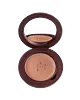 Key Ingredients
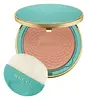
Benefits
Concerns
Ingredients Side-by-side
Mica
Cosmetic ColorantBoron Nitride
Absorbent
Lauroyl Lysine
Skin Conditioning
Zinc Stearate
Cosmetic ColorantOctyldodecyl Stearoyl Stearate
Emollient

Phenyl Trimethicone
Skin Conditioning
Squalane
Emollient


Ethylhexylglycerin
Skin ConditioningSodium Acetylated Hyaluronate
Humectant
Hibiscus Sabdariffa Flower Extract
Skin ConditioningTremella Fuciformis Sporocarp Extract
Antioxidant

Passiflora Edulis Seed Oil
Emollient
Pentaclethra Macroloba Seed Oil
Emollient
Carthamus Tinctorius Flower Extract
Skin ConditioningTocopherol
Antioxidant


Helianthus Annuus Seed Oil
Emollient
Triethoxycaprylylsilane
Polyglyceryl-3 Diisostearate
Emulsifying


Parfum
Masking


Vanillin
Masking
Potassium Sorbate
Preservative
CI 77491
Cosmetic ColorantMica, Boron Nitride, Lauroyl Lysine, Zinc Stearate, Octyldodecyl Stearoyl Stearate, Phenyl Trimethicone, Squalane, Ethylhexylglycerin, Sodium Acetylated Hyaluronate, Hibiscus Sabdariffa Flower Extract, Tremella Fuciformis Sporocarp Extract, Passiflora Edulis Seed Oil, Pentaclethra Macroloba Seed Oil, Carthamus Tinctorius Flower Extract, Tocopherol, Helianthus Annuus Seed Oil, Triethoxycaprylylsilane, Polyglyceryl-3 Diisostearate, Parfum, Vanillin, Potassium Sorbate, CI 77491
Synthetic Fluorphlogopite
C30-45 Alkyl Dimethicone
Skin Conditioning
Silica
Abrasive

Butyrospermum Parkii Butter
Skin Conditioning
Sorbitan Isostearate
Emulsifying
C20-24 Alkyl Dimethicone
Skin Conditioning
Caprylyl Glycol
Emollient
Ethylhexylglycerin
Skin ConditioningParfum
Masking
Polymethylsilsesquioxane
C20-24 Olefin
Skin ConditioningDiethylhexyl Syringylidenemalonate
Skin Protecting
Ricinus Communis Seed Oil
Masking
Sodium Hyaluronate
Humectant
Alumina
Abrasive
Limonene
Perfuming
Caprylic/Capric Triglyceride
Masking
Hydrogenated Castor Oil
Emollient
Linalool
Perfuming
Glycerin
Humectant
Zinc Stearate
Cosmetic ColorantBenzyl Salicylate
Perfuming
Citronellol
Perfuming
Geraniol
Perfuming
Citral
Perfuming
Mica
Cosmetic ColorantCitric Acid
Buffering
Tin Oxide
Abrasive
Iron Oxides
CI 77891
Cosmetic ColorantSynthetic Fluorphlogopite, C30-45 Alkyl Dimethicone, Silica, Butyrospermum Parkii Butter, Sorbitan Isostearate, C20-24 Alkyl Dimethicone, Caprylyl Glycol, Ethylhexylglycerin, Parfum, Polymethylsilsesquioxane, C20-24 Olefin, Diethylhexyl Syringylidenemalonate, Ricinus Communis Seed Oil, Sodium Hyaluronate, Alumina, Limonene, Caprylic/Capric Triglyceride, Hydrogenated Castor Oil, Linalool, Glycerin, Zinc Stearate, Benzyl Salicylate, Citronellol, Geraniol, Citral, Mica, Citric Acid, Tin Oxide, Iron Oxides, CI 77891
Ingredients Explained
These ingredients are found in both products.
Ingredients higher up in an ingredient list are typically present in a larger amount.
Ethylhexylglycerin is created from glycerin. It is a multitasker ingredient that:
The CIR Expert Panel found minimal skin absorption or sensitization of any kind in a safety assessment. Though this ingredient is considered well-tolerated, a small number of cases of allergic dermatitis have been published since 2002. Just be sure to patch test if you are unsure.
Industry-reported use ranges from 8% in rinse-off products and 2% in leave-on formulations.
Learn more about EthylhexylglycerinMica is a naturally occurring mineral used to add shimmer and color in cosmetics. It can also help improve the texture of a product or give it an opaque, white/silver color.
Serecite is the name for very fine but ragged grains of mica.
This ingredient is often coated with metal oxides like titanium dioxide. Trace amounts of heavy metals may be found in mica, but these metals are not harmful in our personal products.
Mica has been used since prehistoric times throughout the world. Ancient Egyptian, Indian, Greek, Roman, Aztec, and Chinese civilizations have used mica.
Learn more about MicaParfum is a catch-all term for an ingredient or more that is used to give a scent to products.
Also called "fragrance", this ingredient can be a blend of hundreds of chemicals or plant oils. This means every product with "fragrance" or "parfum" in the ingredients list is a different mixture.
For instance, Habanolide is a proprietary trade name for a specific aroma chemical. When used as a fragrance ingredient in cosmetics, most aroma chemicals fall under the broad labeling category of “FRAGRANCE” or “PARFUM” according to EU and US regulations.
The term 'parfum' or 'fragrance' is not regulated in many countries. In many cases, it is up to the brand to define this term.
For instance, many brands choose to label themselves as "fragrance-free" because they are not using synthetic fragrances. However, their products may still contain ingredients such as essential oils that are considered a fragrance by INCI standards.
One example is Calendula flower extract. Calendula is an essential oil that still imparts a scent or 'fragrance'.
Depending on the blend, the ingredients in the mixture can cause allergies and sensitivities on the skin. Some ingredients that are known EU allergens include linalool and citronellol.
Parfum can also be used to mask or cover an unpleasant scent.
The bottom line is: not all fragrances/parfum/ingredients are created equally. If you are worried about fragrances, we recommend taking a closer look at an ingredient. And of course, we always recommend speaking with a professional.
Learn more about ParfumZinc Stearate is the metal salt of stearic acid. It is a white solid used to bind, thicken, and lubricate products.
This ingredient is common in powder makeup, where it helps keep the powder together.
Zinc Stearate is hydrophobic and repels water.
This ingredient can be sourced from non-animal or animal sources. It is best to reach out to the brand to see where they source this ingredient from.
Learn more about Zinc Stearate

