

What's inside
What's inside
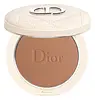 Key Ingredients
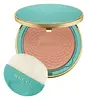
Benefits
Concerns
Ingredients Side-by-side
Synthetic Fluorphlogopite
C30-45 Alkyl Dimethicone
Skin Conditioning
Silica
Abrasive


Butyrospermum Parkii Butter
Skin Conditioning






Sorbitan Isostearate
Emulsifying
C20-24 Alkyl Dimethicone
Skin Conditioning
Caprylyl Glycol
Emollient
Prunus Armeniaca Kernel Oil
Masking
Ethylhexylglycerin
Skin ConditioningParfum
Masking


Pentaerythrityl Tetra-Di-T-Butyl Hydroxyhydrocinnamate
Antioxidant
Polymethylsilsesquioxane
C20-24 Olefin
Skin ConditioningAlumina
Abrasive
Glycerin
Humectant
Water
Skin ConditioningTocopherol
Antioxidant




Zinc Stearate
Cosmetic ColorantButylene Glycol
Humectant
Hydrolyzed Viola Tricolor Extract
Skin ProtectingRosa Multiflora Fruit Extract
Masking1,2-Hexanediol
Skin Conditioning
Stearic Acid
Cleansing
CI 77491
Cosmetic ColorantCI 77492
Cosmetic ColorantCI 77499
Cosmetic ColorantCI 77891
Cosmetic ColorantSynthetic Fluorphlogopite, C30-45 Alkyl Dimethicone, Silica, Butyrospermum Parkii Butter, Sorbitan Isostearate, C20-24 Alkyl Dimethicone, Caprylyl Glycol, Prunus Armeniaca Kernel Oil, Ethylhexylglycerin, Parfum, Pentaerythrityl Tetra-Di-T-Butyl Hydroxyhydrocinnamate, Polymethylsilsesquioxane, C20-24 Olefin, Alumina, Glycerin, Water, Tocopherol, Zinc Stearate, Butylene Glycol, Hydrolyzed Viola Tricolor Extract, Rosa Multiflora Fruit Extract, 1,2-Hexanediol, Stearic Acid, CI 77491, CI 77492, CI 77499, CI 77891
Synthetic Fluorphlogopite
C30-45 Alkyl Dimethicone
Skin Conditioning
Silica
Abrasive
Butyrospermum Parkii Butter
Skin Conditioning
Sorbitan Isostearate
Emulsifying
C20-24 Alkyl Dimethicone
Skin Conditioning
Caprylyl Glycol
Emollient
Ethylhexylglycerin
Skin ConditioningParfum
Masking
Polymethylsilsesquioxane
C20-24 Olefin
Skin ConditioningDiethylhexyl Syringylidenemalonate
Skin Protecting
Ricinus Communis Seed Oil
Masking
Sodium Hyaluronate
Humectant
Alumina
Abrasive
Limonene
Perfuming
Caprylic/Capric Triglyceride
Masking
Hydrogenated Castor Oil
Emollient
Linalool
Perfuming
Glycerin
Humectant
Zinc Stearate
Cosmetic ColorantBenzyl Salicylate
Perfuming
Citronellol
Perfuming
Geraniol
Perfuming
Citral
Perfuming
Mica
Cosmetic ColorantCitric Acid
Buffering
Tin Oxide
Abrasive
Iron Oxides
CI 77891
Cosmetic ColorantSynthetic Fluorphlogopite, C30-45 Alkyl Dimethicone, Silica, Butyrospermum Parkii Butter, Sorbitan Isostearate, C20-24 Alkyl Dimethicone, Caprylyl Glycol, Ethylhexylglycerin, Parfum, Polymethylsilsesquioxane, C20-24 Olefin, Diethylhexyl Syringylidenemalonate, Ricinus Communis Seed Oil, Sodium Hyaluronate, Alumina, Limonene, Caprylic/Capric Triglyceride, Hydrogenated Castor Oil, Linalool, Glycerin, Zinc Stearate, Benzyl Salicylate, Citronellol, Geraniol, Citral, Mica, Citric Acid, Tin Oxide, Iron Oxides, CI 77891
Reviews
Ingredients Explained
These ingredients are found in both products.
Ingredients higher up in an ingredient list are typically present in a larger amount.
Alumina (aka aluminum oxide) is an inorganic mineral powder refined from bauxite that works as a quiet workhorse in a formula.
It shows up often as an abrasive, absorbent, anticaking, bulking, and viscosity-controlling agent.
One of its most common jobs is acting as a pigment carrier and dispersant.
Alumina platelets are often blended with inorganic sunscreens like Titanium Dioxide (or with colorants) and then coated with a silicone such as Triethoxycaprylylsilane so the pigment spreads evenly and smoothly.
In makeup, it can also double as a light-diffusing powder or oil absorber to keep formulas from looking greasy.
The Cosmetic Ingredient Review Expert Panel has concluded alumina to be safe in present practices of use and concentration.
They note it's a stable, oxidized compound and scientific research has failed to establish links to health issues.
Concentrations vary depending on the product:
Learn more about AluminaThis ingredient is also known as shea butter. It is a plant-derived extract from the nuts of the Africa shea tree and one of the most well-studied emollients.
Because it has a high concentration of fatty acids (primarily oleic, stearic, and linoleic) it is able to form a protective barrier on the skin's surface. This helps seal in moisture and prevents transepidermal water loss (TEWL).
In vitro research found an increase in skin hydration by 58% and a decrease in TEWL by 37.8% after 24 hours of applying this ingredient (pretty impressive for a single ingredient!).
Besides hydration, shea butter also contains triterpenes that have anti-inflammatory potential. In particule, lupeol cinnamate has shown the highest anti-inflammatory activity in vivo.
Shea butter also contains vitamins A and E which may contribute to antioxidant activity.
While Shea Butter has an SPF rating of about 3-4, it is not a sunscreen replacement.
This ingredient may not be fungal acne safe because its fatty acids fall within the C11-C24 range that the Malassezia yeast can metabolize.
This ingredient shows up on a lot of "pore-clogging" lists but there's no real evidence behind that. It doesn't even have a comedogenic rating from an actual study; the numbers you'll find online come from blogs citing other blogs.
Ratings for other ingredients mostly come from a 1980s rabbit ear test. This test doesn't translate well to human skin or to real products because the ingredient sits at a much lower percentage.
Some people still find it breaks them out. So if that's you, definitely trust your skin. Just know this one's based on experience and not evidence.
Learn more about Butyrospermum Parkii ButterC20-24 Alkyl Dimethicone is a type of silicone.
We don't have a description for C20-24 Olefin yet.
C30-45 Alkyl Dimethicone is a type of silicone.
Caprylyl Glycol is a humectant, skin conditioner, emollient, and preservative booster derived from either caprylic acid or synthetically created.
Typical use levels vary from 0.3-1% as a preservative booster and go up to 2% to condition skin.
Because it is not a free-fatty acid, this ingredient is fungal acne safe (there's nothing for Malassezia to feed on).
Learn more about Caprylyl GlycolCi 77891 is a white pigment from Titanium dioxide. It is naturally found in minerals such as rutile and ilmenite.
It's main function is to add a white color to cosmetics. It can also be mixed with other colors to create different shades.
Ci 77891 is commonly found in sunscreens due to its ability to block UV rays.
Learn more about CI 77891Ethylhexylglycerin is created from glycerin. It is a multitasker ingredient that:
The CIR Expert Panel found minimal skin absorption or sensitization of any kind in a safety assessment. Though this ingredient is considered well-tolerated, a small number of cases of allergic dermatitis have been published since 2002. Just be sure to patch test if you are unsure.
Industry-reported use ranges from 8% in rinse-off products and 2% in leave-on formulations.
Learn more about EthylhexylglycerinGlycerin (or glycerol) is a compound naturally found in your skin. It's a powerhouse humectant that pulls water into the stratum corneum.
Topically, glycerin does several things at once:
Your skin makes glycerin on its own (mostly from sebaceous oil breakdown) and shuttles it to your outermost layer of skin, or your epidermis, via aquaporin-3.
Aquaporin-3 is a transporter that is essential for normal skin hydration, elasticity, and repair. Interestingly, mice lacking in AQP3 have dry and less elastic skin that can be fully corrected with glycerin.
This ingredient is non-irritating, plays well with almost every ingredient, and works across all skin types. Typical use is anywhere between 3-10% but can go up to 79% in some leave-on products.
Just know very high concentrations (>40%) can feel tacky in low humidity.
Glycerin is the name for this ingredient in American English. British English uses Glycerol/Glycerine.
Learn more about GlycerinParfum is a catch-all term for an ingredient or more that is used to give a scent to products.
Also called "fragrance", this ingredient can be a blend of hundreds of chemicals or plant oils. This means every product with "fragrance" or "parfum" in the ingredients list is a different mixture.
For instance, Habanolide is a proprietary trade name for a specific aroma chemical. When used as a fragrance ingredient in cosmetics, most aroma chemicals fall under the broad labeling category of “FRAGRANCE” or “PARFUM” according to EU and US regulations.
The term 'parfum' or 'fragrance' is not regulated in many countries. In many cases, it is up to the brand to define this term.
For instance, many brands choose to label themselves as "fragrance-free" because they are not using synthetic fragrances. However, their products may still contain ingredients such as essential oils that are considered a fragrance by INCI standards.
One example is Calendula flower extract. Calendula is an essential oil that still imparts a scent or 'fragrance'.
Depending on the blend, the ingredients in the mixture can cause allergies and sensitivities on the skin. Some ingredients that are known EU allergens include linalool and citronellol.
Parfum can also be used to mask or cover an unpleasant scent.
The bottom line is: not all fragrances/parfum/ingredients are created equally. If you are worried about fragrances, we recommend taking a closer look at an ingredient. And of course, we always recommend speaking with a professional.
Learn more about ParfumPolymethylsilsesquioxane is a silicone used as a film forming agent.
When applied to the skin, this ingredient creates an invisible film on the surface. This film still allows oxygen to pass through, but prevents moisture from escaping. This can help condition and hydrate the skin. It also leaves a silky feel when applied.
Polymethylsilsesquioxane has not been shown to clog pores. It has been deemed safe to use up to 55%, but most cosmetics use much less.
If you have concerns about using this ingredient, we recommend speaking with a professional.
Learn more about PolymethylsilsesquioxaneSilica, also known as silicon dioxide, is a naturally occurring mineral. It is used as a fine, spherical, and porous powder in cosmetics.
Though it has exfoliant properties, the function of silica varies depending on the product.
The unique structure of silica enhances the spreadability and adds smoothness, making it a great texture enhancer.
It is also used as an active carrier, emulsifier, and mattifier due to its ability to absorb excess oil.
In some products, tiny microneedles called spicules are made from silica or hydrolyzed sponge. When you rub them in, they lightly polish away dead skin layers and enhance the penetration of active ingredients.
Learn more about SilicaSorbitan Isostearate is an emulsifer. It is created from isostearic acid and sorbitol.
As an emulsifier, it keeps the water and oil ingredients from separating. This keeps formulas stable and smooth.
In a 24 hour occlusive patch test on 56 subjects, 10% sorbitan isostearate was completely non-irritating. Most formulas use less than 10%.
Because it's a fatty acid ester, it may not be fungal acne safe since the Malassezia yeast can utilize it as a nutrient source.
Learn more about Sorbitan IsostearateSynthetic Fluorphlogopite is the synthethic version of mica. It consists of fluorine, aluminum and silicate.
Synthetic Fluorphlogopite is used to add volume to products.
It is considered non-irritating on the skin.
Learn more about Synthetic FluorphlogopiteZinc Stearate is the metal salt of stearic acid. It is a white solid used to bind, thicken, and lubricate products.
This ingredient is common in powder makeup, where it helps keep the powder together.
Zinc Stearate is hydrophobic and repels water.
This ingredient can be sourced from non-animal or animal sources. It is best to reach out to the brand to see where they source this ingredient from.
Learn more about Zinc Stearate

