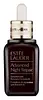
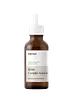
Estée Lauder Advanced Night Repair Synchronized Recovery Complex II Versus ma:nyo Bifida Complex Ampoule
This barrier-repair serum is formulated around Bifida Ferment Lysate to strengthen the skin barrier.
This barrier-repair ampoule is formulated around Bifida Ferment Lysate and Niacinamide to strengthen the skin barrier and soften the look of wrinkles.


What's inside
What's inside
 Key Ingredients
Benefits
Concerns
No concerns
Ingredients Side-by-side
Water
Skin ConditioningBifida Ferment Lysate
Skin Conditioning



Methyl Gluceth-20
Humectant
PEG-75
HumectantBis-PEG-18 Methyl Ether Dimethyl Silane
EmollientButylene Glycol
Humectant
Propanediol
Solvent
Cola Acuminata Seed Extract
Skin ConditioningHydrolyzed Algin
Pantethine
EmollientCaffeine
Skin Conditioning
Lecithin
Emollient
Tripeptide-32
Skin Conditioning
Ethylhexylglycerin
Skin ConditioningSodium Rna
Skin ConditioningBisabolol
Antioxidant

Glycereth-26
Humectant
Squalane
Emollient
Sodium Hyaluronate
Humectant
Oleth-3 Phosphate
SurfactantCaprylyl Glycol
Emollient
Lactobacillus Ferment
Skin Conditioning
Oleth-3
Emulsifying


Oleth-5
Emulsifying
Anthemis Nobilis Flower Extract
Masking
Faex Extract
Skin ConditioningCholeth-24
EmulsifyingHydrogenated Lecithin
Emulsifying
Ceteth-24
CleansingTocopheryl Acetate
Antioxidant

Ethylhexyl Methoxycinnamate
UV Absorber


Hexylene Glycol
EmulsifyingCarbomer
Emulsion StabilisingTriethanolamine
BufferingTrisodium EDTA
ChelatingBHT
Antioxidant
Xanthan Gum
EmulsifyingPhenoxyethanol
Preservative
CI 14700
Cosmetic ColorantCI 19140
Cosmetic ColorantWater, Bifida Ferment Lysate, Methyl Gluceth-20, PEG-75, Bis-PEG-18 Methyl Ether Dimethyl Silane, Butylene Glycol, Propanediol, Cola Acuminata Seed Extract, Hydrolyzed Algin, Pantethine, Caffeine, Lecithin, Tripeptide-32, Ethylhexylglycerin, Sodium Rna, Bisabolol, Glycereth-26, Squalane, Sodium Hyaluronate, Oleth-3 Phosphate, Caprylyl Glycol, Lactobacillus Ferment, Oleth-3, Oleth-5, Anthemis Nobilis Flower Extract, Faex Extract, Choleth-24, Hydrogenated Lecithin, Ceteth-24, Tocopheryl Acetate, Ethylhexyl Methoxycinnamate, Hexylene Glycol, Carbomer, Triethanolamine, Trisodium EDTA, BHT, Xanthan Gum, Phenoxyethanol, CI 14700, CI 19140
Bifida Ferment Lysate 60%
Skin Conditioning
Lactobacillus/Pumpkin Fruit Ferment Filtrate 30.1%
Skin ConditioningNiacinamide
Smoothing





Butylene Glycol
Humectant
Acetyl Hexapeptide-8
Humectant
Aureobasidium Pullulans Ferment
Skin ConditioningHydrolyzed Algin
Caffeine
Skin Conditioning
Panax Ginseng Root Extract
Emollient
Panax Ginseng Callus Culture Extract
Skin ConditioningGlycerin
Humectant
Epigallocatechin Gallate
Antioxidant
Zanthoxylum Piperitum Fruit Extract
Skin ConditioningPulsatilla Koreana Extract
Skin ConditioningUsnea Barbata Extract
Copper Tripeptide-1
Skin Conditioning
Physalis Alkekengi Fruit Extract
Skin ConditioningMethyl Gluceth-20
Humectant
Sodium Hyaluronate
Humectant
Adenosine
Skin Conditioning
Bifida Ferment Lysate 60%, Lactobacillus/Pumpkin Fruit Ferment Filtrate 30.1%, Niacinamide, Butylene Glycol, Acetyl Hexapeptide-8, Aureobasidium Pullulans Ferment, Hydrolyzed Algin, Caffeine, Panax Ginseng Root Extract, Panax Ginseng Callus Culture Extract, Glycerin, Epigallocatechin Gallate, Zanthoxylum Piperitum Fruit Extract, Pulsatilla Koreana Extract, Usnea Barbata Extract, Copper Tripeptide-1, Physalis Alkekengi Fruit Extract, Methyl Gluceth-20, Sodium Hyaluronate, Adenosine
Reviews
Ingredients Explained
These ingredients are found in both products.
Ingredients higher up in an ingredient list are typically present in a larger amount.
Bifida Ferment Lysate is a postbiotic ingredient made by fermenting Bifidobacterium to extract a nutrient-rich mix of peptides, amino acids, vitamins, organic acids, and polysaccharides.
These components are basically the building blocks that your skin already uses to stay hydrated, repair itself, and maintain its barrier. That's why this ingredient helps your skin hold onto moisture and stay resilient against irritation.
One in-vitro study found that this ingredient tells your skin cells to produce more of the proteins (filaggrin, loricrin, and involucrin) for building a strong and healthy barrier. This study also found this ingredient to be a solid antioxidant that helped neutralize damage against UV and pollution.
A study with people from 2010 found that sensitive, reactive skin using a cream with 10% of this ingredient for a month became noticeably less dry, less reactive, and harder to irritate compared to the group using a plain cream.
In short, this ingredient is a well-tolerated ingredient that can help with barrier repair, antioxidant protection, and calming reactive skin.
This ingredient is generally considered fungal acne (Malassezia) safe; Bifidobacterium is a bacterium, not a yeast or fungus.
The fungal acne concern with fermented ingredients mainly applies to yeast-derived ferments like Saccharomyces and Galactomyces, because those are in the same kingdom as Malassezia and could theoretically contain residual compounds that feed it.
Bifida is a completely different organism, so on its own it doesn't provide a food source for the Malassezia yeast that causes fungal acne.
Learn more about Bifida Ferment LysateButylene Glycol (or BG) is used within cosmetic products for a few different reasons:
Overall, Butylene Glycol is a safe and well-rounded ingredient that works well with other ingredients.
Though this ingredient works well with most skin types, some people with sensitive skin may experience a reaction such as allergic rashes, closed comedones, or itchiness.
Learn more about Butylene GlycolCaffeine is a naturally occurring plant compound found in coffee beans, tea leaves, cocoa pods, and guarana.
As an antioxidant, caffeine protects your skin from free radical damage caused by UV exposure and envionrmnetal stressors.
Early research also shows that caffeine can help calm redness, soothe irritated skin, and support hair growth by stimulating microcirculation in the scalp.
You might have seen eye creams marketing caffeine as a depuffing ingredient. This is because it is a vasoconstrictor meaning it can temporarily constrict blood vessels, though clinical evidence for this specific use is still limited.
Most skincare products contain this ingredient at concentrations between 1-6%. It is able to penetrate skin easily regardless of skin type or thickness.
Just so you know, a very small number of case reports describe caffeine-induced allergy. This ingredient is generally well-tolerated, non-irritating, and non-sensitizing for the majority of people.
Learn more about CaffeineThis ingredient is made from brown seaweed and is often used to improve the texture of products.
According to a manufacturer, this is a lightweight ingredient and a smaller form of algin. This allows it to be easily mixed with water and improve the spreadability of products.
It also has conditioning properties that mostly sits on the surface of skin as an emollient. Some lab research has explored it in anti-aging formulas, but the results were modest.
Learn more about Hydrolyzed AlginMethyl Gluceth-20 is a humectant. Humectants help draw moisture from the air to your skin.
It is created by combining polyethylene glycol with glucose.
Sodium Hyaluronate is the salt form of hyaluronic acid. It is a long sugar chain that is naturally found in your skin, joints, and connective tissue that maintains hydration and elasticity.
In skincare, it works as a humectant. It pulls water from the environment and deeper layers of skin and binds it to the surface.
Interestingly, the size of the molecule affects its behavior:
Some clinical evidence links low molecular weight versions to improved wrinkle depth, elasticity, anti-inflammatory effects, and barrier repair.
Many serums use a blend of both weights so you can get surface hydration plus longer-lasting and deeper effects.
You'll typically see concentrations between 0.1-2% for this ingredient.
Learn more about Sodium Hyaluronate

