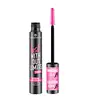
Essence Lash Without Limits Extreme Lengthening & Volume Mascara Versus Covergirl Lash Blast Supercloud Mascara


What's inside
What's inside
 Key Ingredients
Benefits
Concerns
Ingredients Side-by-side
Water
Skin ConditioningAcrylates/Ethylhexyl Acrylate Copolymer
Copernicia Cerifera Cera
Emollient

Butylene Glycol
Humectant

Rhus Verniciflua Peel Cera
EmollientSteareth-20
CleansingSteareth-2
EmulsifyingCetearyl Alcohol
Emollient




1,2-Hexanediol
Skin Conditioning
Stearic Acid
Cleansing
Palmitic Acid
Emollient
Kaolin
Abrasive



Acacia Senegal Gum
MaskingTocopherol
Antioxidant





Ethylhexylglycerin
Skin ConditioningCaprylyl Glycol
Emollient
Hydroxyethylcellulose
Emulsion StabilisingPolyester-4
Skin ConditioningLaureth-21
CleansingSodium Phosphate
BufferingDisodium Phosphate
BufferingPotassium Hydroxide
BufferingPhenoxyethanol
Preservative
Sodium Dehydroacetate
Preservative
CI 77499
Cosmetic ColorantWater, Acrylates/Ethylhexyl Acrylate Copolymer, Copernicia Cerifera Cera, Butylene Glycol, Rhus Verniciflua Peel Cera, Steareth-20, Steareth-2, Cetearyl Alcohol, 1,2-Hexanediol, Stearic Acid, Palmitic Acid, Kaolin, Acacia Senegal Gum, Tocopherol, Ethylhexylglycerin, Caprylyl Glycol, Hydroxyethylcellulose, Polyester-4, Laureth-21, Sodium Phosphate, Disodium Phosphate, Potassium Hydroxide, Phenoxyethanol, Sodium Dehydroacetate, CI 77499
Water
Skin ConditioningAmmonium Acrylates Copolymer
Copernicia Cerifera Cera
Emollient
Glyceryl Stearate Se
Emulsifying
Euphorbia Cerifera Cera
Astringent
Sucrose Stearate
EmollientGlyceryl Stearate
Emollient
Vp/Hexadecene Copolymer
Propanediol
Solvent
C10-18 Triglycerides
Emollient
Lecithin
Emollient
Polybutene
Microcrystalline Wax
Emulsion StabilisingHydrogenated Vegetable Oil
Emollient
Oleic Acid
Emollient
Alcohol Denat.
Antimicrobial


Stearic Acid
Cleansing
Arginine
Masking
Caesalpinia Spinosa Gum
Skin ConditioningStearyl Stearate
Emollient
Benzyl Alcohol
Perfuming


Caprylyl Glycol
Emollient
Disodium Deceth-6 Sulfosuccinate
CleansingPanthenol
Skin Conditioning
Simethicone
Emollient
Laureth-30
CleansingSodium Dehydroacetate
Preservative
Trisodium Ethylenediamine Disuccinate
ChelatingGlycerin
Humectant
Ceramide Ng
Skin Conditioning
Acacia Senegal Gum
MaskingCI 77491
Cosmetic ColorantCI 77492
Cosmetic ColorantCI 77499
Cosmetic ColorantCI 77007
Cosmetic ColorantWater, Ammonium Acrylates Copolymer, Copernicia Cerifera Cera, Glyceryl Stearate Se, Euphorbia Cerifera Cera, Sucrose Stearate, Glyceryl Stearate, Vp/Hexadecene Copolymer, Propanediol, C10-18 Triglycerides, Lecithin, Polybutene, Microcrystalline Wax, Hydrogenated Vegetable Oil, Oleic Acid, Alcohol Denat., Stearic Acid, Arginine, Caesalpinia Spinosa Gum, Stearyl Stearate, Benzyl Alcohol, Caprylyl Glycol, Disodium Deceth-6 Sulfosuccinate, Panthenol, Simethicone, Laureth-30, Sodium Dehydroacetate, Trisodium Ethylenediamine Disuccinate, Glycerin, Ceramide Ng, Acacia Senegal Gum, CI 77491, CI 77492, CI 77499, CI 77007
Reviews
Ingredients Explained
These ingredients are found in both products.
Ingredients higher up in an ingredient list are typically present in a larger amount.
Acacia Senegal Gum has skin soothing, thickening, and formulation stabilizing properties. It comes from the Acacia tree that is native to sub-Saharan Africa.
Caprylyl Glycol is a humectant, skin conditioner, emollient, and preservative booster derived from either caprylic acid or synthetically created.
Typical use levels vary from 0.3-1% as a preservative booster and go up to 2% to condition skin.
Because it is not a free-fatty acid, this ingredient is fungal acne safe (there's nothing for Malassezia to feed on).
Learn more about Caprylyl GlycolCi 77499 is also hydrated iron III oxide. It is created from mixing red and black iron oxides. This helps give shades of darkness to a product.
Iron III oxides are classified as inorganic chemicals for coloring.
This ingredient comes from a palm tree native to Brazil. This ingredient is used to thicken texture and leaves behind a film when applied.
Sodium Dehydroacetate is a synthetic preservative and sodium salt form of dehydroacetic acid. It stops bacteria, mold, and yeast from growing in your products at low concentrations.
Clinical testing found it to be non-irritating, non-sensitizing, and non-photosensitizing. It's also not significantly absorbed through skin.
There are a very small number of reported cases of contact dermatitis in cases linked to wound-care creams used over compromised skin (rather than skincare).
Overall, this is a well-studied and low-risk preservative just doing its job.
Typical concentrations run up to 0.6%, which is also the maximum amount permitted under both EU CosIng regulations and US FDA guidelines.
Learn more about Sodium DehydroacetateStearic Acid is a fatty acid that is already found in your skin. It's one of the free fatty acids that works alongside ceramides and cholesterols to maintain your barrier.
In cosmetics, it is a multitasker:
Safety-wise, the CIR Expert Panel has concluded it to be safe in cosmetics when formulated to be non-irritating and non-sensitizing.
Free stearic acid is a C18 fatty acid that the Malassezia yeast can substrate, so this ingredient may not be fungal acne safe.
Learn more about Stearic AcidWater. It's the most common cosmetic ingredient of all. You'll usually see it at the top of ingredient lists, meaning that it makes up the largest part of the product.
So why is it so popular? Water most often acts as a solvent - this means that it helps dissolve other ingredients into the formulation.
You'll also recognize water as that liquid we all need to stay alive. If you see this, drink a glass of water. Remember to stay hydrated!
Learn more about Water

