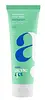
This salicylic acid gel cleanser is formulated around Salicylic Acid to clear breakouts and unclog pores.


What's inside
What's inside
 Key Ingredients
Benefits
Concerns
Ingredients Side-by-side
Ethylhexylglycerin
Skin ConditioningAlcohol Denat.
Antimicrobial




Sodium Chloride
MaskingTetrasodium EDTA
ChelatingMagnesium Nitrate
Methylchloroisothiazolinone
Preservative
Methylisothiazolinone
Preservative
Water
Skin ConditioningCocamide DEA
Emulsifying
Glycerin
Humectant


Cocamidopropyl Betaine
Cleansing
Ammonium Laureth Sulfate
Cleansing
Acrylates Crosspolymer-4
Emulsion StabilisingSalicylic Acid
Masking





Sodium Lauroyl Sarcosinate
CleansingPhenoxyethanol
Preservative
Allantoin
Skin Conditioning

Panthenol
Skin Conditioning
PEG-150 Distearate
Emulsifying
Polysorbate 20
Emulsifying
Sodium Hydroxide
BufferingHamamelis Virginiana Extract
Antiseborrhoeic
Parfum
Masking

Sodium Benzoate
Masking
Disodium EDTA
ChelatingMagnesium Chloride
Ethylhexylglycerin, Alcohol Denat., Sodium Chloride, Tetrasodium EDTA, Magnesium Nitrate, Methylchloroisothiazolinone, Methylisothiazolinone, Water, Cocamide DEA, Glycerin, Cocamidopropyl Betaine, Ammonium Laureth Sulfate, Acrylates Crosspolymer-4, Salicylic Acid, Sodium Lauroyl Sarcosinate, Phenoxyethanol, Allantoin, Panthenol, PEG-150 Distearate, Polysorbate 20, Sodium Hydroxide, Hamamelis Virginiana Extract, Parfum, Sodium Benzoate, Disodium EDTA, Magnesium Chloride
Zea Mays Starch
Absorbent
Sodium Cocoyl Isethionate
Cleansing
Sodium Lauroyl Aspartate
CleansingSodium Isethionate
CleansingLauric Acid
Cleansing

Sodium Cocoyl Glycinate
Cleansing
Sodium Palmitate
CleansingBromelain
Skin Conditioning
Betaine
Humectant
Hydrolyzed Collagen
Emollient
Maltodextrin
Absorbent
Glycyrrhiza Glabra Root Powder
Skin ConditioningCamellia Sinensis Leaf Powder
Allantoin
Skin Conditioning
Papain
Skin Conditioning
Aloe Barbadensis Leaf Powder
Skin Conditioning
Sodium Hyaluronate
Humectant
Water
Skin ConditioningSodium Metabisulfite
Antioxidant
Parfum
Masking
Zea Mays Starch, Sodium Cocoyl Isethionate, Sodium Lauroyl Aspartate, Sodium Isethionate, Lauric Acid, Sodium Cocoyl Glycinate, Sodium Palmitate, Bromelain, Betaine, Hydrolyzed Collagen, Maltodextrin, Glycyrrhiza Glabra Root Powder, Camellia Sinensis Leaf Powder, Allantoin, Papain, Aloe Barbadensis Leaf Powder, Sodium Hyaluronate, Water, Sodium Metabisulfite, Parfum
Reviews
Ingredients Explained
These ingredients are found in both products.
Ingredients higher up in an ingredient list are typically present in a larger amount.
Allantoin is a soothing ingredient known for its protective and moisturizing properties; it's basically a quiet workhorse ingredient you can find in a huge range of cosmetics.
Though it can be derived from the comfrey plant, allantoin is produced synthetically for cosmetic products to ensure purity.
Research shows it can encourage your skin cells to turn over and renew by stimulating keratinocyte and fibroblast proliferation.
It also has mild keratolytic properties to help loosen and shed dead skin cells without being harsh.
Studies also suggest allantoin can help calm inflammation by dialing down some of the chemical signals your skin sends out when it is irritated.
This ingredient is typically used in the 0.1-0.5% range, and the FDA recognizes it as a skin protectant in OTC products up to 2%.
Overall, allantoin is a wonderful addition to most routines; it is stable across a wide pH range (~4-8), works well with other ingredients, and is considered non-sensitizing/non-irritating.
Fun fact: Allantoin is naturally occurring in comfrey root, beets, chamomile, and wheat sprouts. Our bodies even produce it as a byproduct of uric acid metabolism.
Learn more about AllantoinParfum is a catch-all term for an ingredient or more that is used to give a scent to products.
Also called "fragrance", this ingredient can be a blend of hundreds of chemicals or plant oils. This means every product with "fragrance" or "parfum" in the ingredients list is a different mixture.
For instance, Habanolide is a proprietary trade name for a specific aroma chemical. When used as a fragrance ingredient in cosmetics, most aroma chemicals fall under the broad labeling category of “FRAGRANCE” or “PARFUM” according to EU and US regulations.
The term 'parfum' or 'fragrance' is not regulated in many countries. In many cases, it is up to the brand to define this term.
For instance, many brands choose to label themselves as "fragrance-free" because they are not using synthetic fragrances. However, their products may still contain ingredients such as essential oils that are considered a fragrance by INCI standards.
One example is Calendula flower extract. Calendula is an essential oil that still imparts a scent or 'fragrance'.
Depending on the blend, the ingredients in the mixture can cause allergies and sensitivities on the skin. Some ingredients that are known EU allergens include linalool and citronellol.
Parfum can also be used to mask or cover an unpleasant scent.
The bottom line is: not all fragrances/parfum/ingredients are created equally. If you are worried about fragrances, we recommend taking a closer look at an ingredient. And of course, we always recommend speaking with a professional.
Learn more about ParfumWater. It's the most common cosmetic ingredient of all. You'll usually see it at the top of ingredient lists, meaning that it makes up the largest part of the product.
So why is it so popular? Water most often acts as a solvent - this means that it helps dissolve other ingredients into the formulation.
You'll also recognize water as that liquid we all need to stay alive. If you see this, drink a glass of water. Remember to stay hydrated!
Learn more about Water

