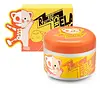
This anti-aging night moisturizer is formulated around Retinol and Sh-Oligopeptide-1 to soften the look of wrinkles and refine skin texture.
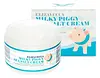
This smoothing moisturizer is formulated around Niacinamide and Adenosine to refine skin texture and soften the look of wrinkles.

What's inside
What's inside
 Key Ingredients
Benefits
Concerns
Ingredients Side-by-side
Swiftlet Nest Extract
Skin ConditioningMacadamia Integrifolia Seed Oil
Skin Conditioning



Beeswax
Emulsion Stabilising


Cetyl Alcohol
Emollient

Glycerin
Humectant

Polysorbate 60
Emulsifying
Dipropylene Glycol
HumectantRetinol
Skin Conditioning








Sh-Oligopeptide-1
Skin Conditioning
Sodium Polyacrylate
Absorbent
Allantoin
Skin Conditioning

PEG-100 Stearate
Surfactant
Adenosine
Skin Conditioning
Carbomer
Emulsion StabilisingBetaine
Humectant
Propylene Glycol
Humectant
Caprylic/Capric Triglyceride
Masking
Polysorbate 20
Emulsifying
Arginine
Masking
Alcohol
Antimicrobial

1,2-Hexanediol
Skin Conditioning
Ceteth-3
EmulsifyingBrassica Campestris Sterols
EmollientTocopheryl Acetate
Antioxidant

Cetyl Phosphate
EmulsifyingCholesterol
Emollient
PEG-5 Rapeseed Sterol
Cleansing
Hydrogenated Lecithin
Emulsifying
Ethylhexylglycerin
Skin ConditioningWater
Skin ConditioningSorbitan Sesquioleate
Emulsifying
Ceteth-5
EmulsifyingDisodium EDTA
ChelatingGlyceryl Stearate
Emollient
Parfum
Masking

Swiftlet Nest Extract, Macadamia Integrifolia Seed Oil, Beeswax, Cetyl Alcohol, Glycerin, Polysorbate 60, Dipropylene Glycol, Retinol, Sh-Oligopeptide-1, Sodium Polyacrylate, Allantoin, PEG-100 Stearate, Adenosine, Carbomer, Betaine, Propylene Glycol, Caprylic/Capric Triglyceride, Polysorbate 20, Arginine, Alcohol, 1,2-Hexanediol, Ceteth-3, Brassica Campestris Sterols, Tocopheryl Acetate, Cetyl Phosphate, Cholesterol, PEG-5 Rapeseed Sterol, Hydrogenated Lecithin, Ethylhexylglycerin, Water, Sorbitan Sesquioleate, Ceteth-5, Disodium EDTA, Glyceryl Stearate, Parfum
Sodium Chloride
MaskingCyclopentasiloxane
Emollient
Cyclohexasiloxane
Emollient
Butylene Glycol
Humectant
Glycerin
Humectant
Hydrolyzed Collagen
Emollient
Sodium Hyaluronate
Humectant
Niacinamide
Smoothing
Dimethicone/PEG-10/15 Crosspolymer
Cetyl PEG/PPG-10/1 Dimethicone
Emulsifying
Hamamelis Virginiana Extract
Antiseborrhoeic
Acrylates/Vinyl Isodecanoate Crosspolymer
Emulsion StabilisingAllantoin
Skin Conditioning
Parfum
Masking
Adenosine
Skin Conditioning
Disodium EDTA
ChelatingDipotassium Glycyrrhizate
Humectant
Aloe Barbadensis Leaf Powder
Skin Conditioning
Tocopheryl Acetate
Antioxidant
Dryopteris Crassirhizoma Extract
Skin ConditioningChamaecyparis Obtusa Water
MaskingSodium Chloride, Cyclopentasiloxane, Cyclohexasiloxane, Butylene Glycol, Glycerin, Hydrolyzed Collagen, Sodium Hyaluronate, Niacinamide, Dimethicone/PEG-10/15 Crosspolymer, Cetyl PEG/PPG-10/1 Dimethicone, Hamamelis Virginiana Extract, Acrylates/Vinyl Isodecanoate Crosspolymer, Allantoin, Parfum, Adenosine, Disodium EDTA, Dipotassium Glycyrrhizate, Aloe Barbadensis Leaf Powder, Tocopheryl Acetate, Dryopteris Crassirhizoma Extract, Chamaecyparis Obtusa Water
Ingredients Explained
These ingredients are found in both products.
Ingredients higher up in an ingredient list are typically present in a larger amount.
Adenosine is a purine nucleoside that your body already makes in every cell. In skincare, it acts mainly as a skin conditioning and anti-aging agent.
The way it works is fairly well mapped out:
Your skin has cells called fibroblasts that build collagen (the stuff that keeps skin firm and smooth). Adenosine basically flips a switch on these cells that tells them to get to work making more collagen and other proteins. These cells slow down on their own as skin ages, so Adenosine helps give them a little nudge to keep going.
The clinical backing is pretty solid too.
A blind, randomized, placebo-controlled trial of 126 women aged 45-65 tested a 0.1% cream twice daily and found real improvements in crow's feet and frown lines using a precise 3D skin-mapping technique; these changes showed up by week 3 and held at 2 months.
A later study using Adenosine-loaded dissolving microneedle patches reported gains in wrinkle depth, dermal density, elasticity, and hydration.
On concentrations, South Korea's Ministry of Food and Drug Safety has set 0.04% as the approved functional anti-wrinkle level. You'll typically see this ingredient used somewhere in the 0.04-0.1% range since it works at low doses.
This ingredient has been found safe for cosmetics with the data showing no irritation or sensitization.
Overall, this is a great ingredient for any anti-aging routine and has no photosensitizing effect, so it suits both AM and PM use.
Learn more about AdenosineAllantoin is a soothing ingredient known for its protective and moisturizing properties; it's basically a quiet workhorse ingredient you can find in a huge range of cosmetics.
Though it can be derived from the comfrey plant, allantoin is produced synthetically for cosmetic products to ensure purity.
Research shows it can encourage your skin cells to turn over and renew by stimulating keratinocyte and fibroblast proliferation.
It also has mild keratolytic properties to help loosen and shed dead skin cells without being harsh.
Studies also suggest allantoin can help calm inflammation by dialing down some of the chemical signals your skin sends out when it is irritated.
This ingredient is typically used in the 0.1-0.5% range, and the FDA recognizes it as a skin protectant in OTC products up to 2%.
Overall, allantoin is a wonderful addition to most routines; it is stable across a wide pH range (~4-8), works well with other ingredients, and is considered non-sensitizing/non-irritating.
Fun fact: Allantoin is naturally occurring in comfrey root, beets, chamomile, and wheat sprouts. Our bodies even produce it as a byproduct of uric acid metabolism.
Learn more about AllantoinDisodium EDTA is a chelating agent. It grabs onto and deactivates metal ions that sneak into your products from water, packaging, or air.
This ingredient mainly works behind the scenes and helps with:
On top of that, this ingredient can counteract the effects of hard water by binding to the minerals in it.
One thing worth knowing is that Disodium EDTA has been shown to be a mild penetration enhancer. It can help other ingredients absorb into skin more effectively which can be a double-edged sword (great for actives, but can also make the active too strong if you have sensitive skin).
Clinical patch testing showed no significant skin irritation at typical use concentrations and minimal dermal absorption.
You'll most likely see this ingredient near the end of an ingredient list. It's typically found in concentrations less than 1%.
Learn more about Disodium EDTAGlycerin (or glycerol) is a compound naturally found in your skin. It's a powerhouse humectant that pulls water into the stratum corneum.
Topically, glycerin does several things at once:
Your skin makes glycerin on its own (mostly from sebaceous oil breakdown) and shuttles it to your outermost layer of skin, or your epidermis, via aquaporin-3.
Aquaporin-3 is a transporter that is essential for normal skin hydration, elasticity, and repair. Interestingly, mice lacking in AQP3 have dry and less elastic skin that can be fully corrected with glycerin.
This ingredient is non-irritating, plays well with almost every ingredient, and works across all skin types. Typical use is anywhere between 3-10% but can go up to 79% in some leave-on products.
Just know very high concentrations (>40%) can feel tacky in low humidity.
Glycerin is the name for this ingredient in American English. British English uses Glycerol/Glycerine.
Learn more about GlycerinParfum is a catch-all term for an ingredient or more that is used to give a scent to products.
Also called "fragrance", this ingredient can be a blend of hundreds of chemicals or plant oils. This means every product with "fragrance" or "parfum" in the ingredients list is a different mixture.
For instance, Habanolide is a proprietary trade name for a specific aroma chemical. When used as a fragrance ingredient in cosmetics, most aroma chemicals fall under the broad labeling category of “FRAGRANCE” or “PARFUM” according to EU and US regulations.
The term 'parfum' or 'fragrance' is not regulated in many countries. In many cases, it is up to the brand to define this term.
For instance, many brands choose to label themselves as "fragrance-free" because they are not using synthetic fragrances. However, their products may still contain ingredients such as essential oils that are considered a fragrance by INCI standards.
One example is Calendula flower extract. Calendula is an essential oil that still imparts a scent or 'fragrance'.
Depending on the blend, the ingredients in the mixture can cause allergies and sensitivities on the skin. Some ingredients that are known EU allergens include linalool and citronellol.
Parfum can also be used to mask or cover an unpleasant scent.
The bottom line is: not all fragrances/parfum/ingredients are created equally. If you are worried about fragrances, we recommend taking a closer look at an ingredient. And of course, we always recommend speaking with a professional.
Learn more about ParfumTocopheryl Acetate is a stable, shelf-friendly form of vitamin E.
Formulators love it because plain vitamin E oxidizes quickly once it hits air. This acetate version stays stable and resists going off, helping to extend a product's shelf life.
It's actually inactive on its own and works like a slow-release "storage" form; the enzymes in your skin called esterases gradually convert it into active vitamin E over time.
One in vivo study showed 5% of the acetate in the living layer of the epidermis converted to vitamin E after 5 days of application. This study also found the skin gained protection against UV damage even though the conversion was slow and small.
Once converted, vitamin E acts as a skin's main fat-soluble antioxidant that fights free radicals to protect skin from damage.
Topical vitamin E generally boosts the skin's photoprotection, and it reduced UV-damage in animal models.
This ingredient has some brightening potential but it's more of a prevention ingredient than spot-fader. Cell studies show it can slow down melanin production but it's worth noting that it's not the most powerful brightener out there.
Overall, it has a pretty solid safety profile and has been found to be non-irritating and non-comedogenic. Allergic reactions may happen but stay rare due to how widely the ingredient gets used.
The concentration will vary depending on the formula; industry data shows 0.1% in baby lotions, 3% in lipsticks, and 5% in foot powders. You can also find this ingredient at 100% in a pure vitamin E oil.
Most leave-on skincare keeps it at the lower end, often between 0.5-1%.
Learn more about Tocopheryl Acetate

