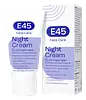
This barrier-repair night moisturizer is formulated around Macadamia Integrifolia Seed Oil and Prunus Amygdalus Dulcis Oil to strengthen the skin barrier and hydrate skin.
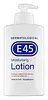
This moisturizer is formulated around Petrolatum to hydrate skin.

What's inside
What's inside
 Key Ingredients
Benefits
Concerns
Ingredients Side-by-side
Water
Skin ConditioningMacadamia Integrifolia Seed Oil
Skin Conditioning



Prunus Amygdalus Dulcis Oil
Skin Conditioning

Pentylene Glycol
Skin Conditioning
Glycerin
Humectant
Simmondsia Chinensis Seed Oil
Emollient
Stearyl Alcohol
Emollient
Polyglyceryl-2 Stearate
Emulsifying
Behenyl Alcohol
Emollient
Theobroma Cacao Seed Butter
Emollient
Butyrospermum Parkii Butter
Skin Conditioning
Glyceryl Stearate
Emollient
Hydrogenated Rapeseed Alcohol
Emollient
Polyglyceryl-10 Eicosanedioate/Tetradecanedioate
Skin ConditioningBetaine
Humectant
Xanthan Gum
EmulsifyingTocopheryl Acetate
Antioxidant


Levulinic Acid
Perfuming

Sodium Anisate
AntimicrobialSodium Levulinate
Skin ConditioningPolyglyceryl-4 Oleate
Emulsifying
Tocopherol
Antioxidant


Sodium Hydroxide
BufferingHelianthus Annuus Seed Oil
Emollient
Glyceryl Olivate
Emollient
Water, Macadamia Integrifolia Seed Oil, Prunus Amygdalus Dulcis Oil, Pentylene Glycol, Glycerin, Simmondsia Chinensis Seed Oil, Stearyl Alcohol, Polyglyceryl-2 Stearate, Behenyl Alcohol, Theobroma Cacao Seed Butter, Butyrospermum Parkii Butter, Glyceryl Stearate, Hydrogenated Rapeseed Alcohol, Polyglyceryl-10 Eicosanedioate/Tetradecanedioate, Betaine, Xanthan Gum, Tocopheryl Acetate, Levulinic Acid, Sodium Anisate, Sodium Levulinate, Polyglyceryl-4 Oleate, Tocopherol, Sodium Hydroxide, Helianthus Annuus Seed Oil, Glyceryl Olivate




Reviews
Ingredients Explained
These ingredients are found in both products.
Ingredients higher up in an ingredient list are typically present in a larger amount.
Glyceryl Stearate is made by reacting glycerin with stearic acid (typically sourced from plant oils like palm or coconut). It's an emulsifier, emollient, and mild occlusive.
Emulsifiers help ingredients like oil and water stay mixed so your formula stays nicely blended and uniform in texture.
This ingredient is typically used in concentrations between 1-10%. Studies have found it to be non-sensitizing, non-phototoxic, and non-photoallergenic.
A close cousin of this ingredient is Glyceryl Stearate SE ("self-emulsifying"). This just has a small amount of sodium or potassium stearate added so it can emulsify without a co-emulsifier.
Since this ingredient is an ester of a C18 fatty acid, it may not be fungal acne safe. The Malassezia yeast can potentially metabolize within the C11-C24 range.
Fun fact: The human body also creates Glyceryl Stearate naturally.
Learn more about Glyceryl StearateSodium Hydroxide is also known as lye or caustic soda. It is used to adjust the pH of products; many ingredients require a specific pH to be effective.
In small amounts, sodium hydroxide is considered safe to use. However, large amounts may cause chemical burns due to its high alkaline.
Your skin has a natural pH and acid mantle. This acid mantle helps prevent harmful bacteria from breaking through. The acid mantle also helps keep your skin hydrated.
"Alkaline" refers to a high pH level. A low pH level would be considered acidic.
Learn more about Sodium HydroxideWater. It's the most common cosmetic ingredient of all. You'll usually see it at the top of ingredient lists, meaning that it makes up the largest part of the product.
So why is it so popular? Water most often acts as a solvent - this means that it helps dissolve other ingredients into the formulation.
You'll also recognize water as that liquid we all need to stay alive. If you see this, drink a glass of water. Remember to stay hydrated!
Learn more about Water

