e.l.f. cosmetics Skin Pure Skin + Dermatologist Developed Toner Versus Undefined Beauty R&R Exfoliator
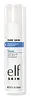
This barrier-repair toner is formulated around Aloe Barbadensis Leaf Juice and Niacinamide to strengthen the skin barrier and calm redness.
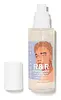
This smoothing exfoliator is formulated around Lactic Acid and Niacinamide to refine skin texture and brighten dull-looking skin.

What's inside
What's inside
 Key Ingredients
Benefits
Concerns
Ingredients Side-by-side
Water
Skin ConditioningAloe Barbadensis Leaf Juice
Skin Conditioning


Glycerin
Humectant

Niacinamide
Smoothing







Trehalose
Humectant
Ceramide NP
Skin Conditioning
Ceramide AP
Skin Conditioning
Ceramide EOP
Skin Conditioning
Glycolic Acid
Buffering



Sodium Hyaluronate
Humectant
Chamomilla Recutita Flower Water
MaskingTocopheryl Acetate
Antioxidant

Hamamelis Virginiana Water
Astringent

Avena Sativa Kernel Flour
Abrasive
Sodium PCA
Humectant
Allantoin
Skin Conditioning
Phytosphingosine
Skin Conditioning
Cholesterol
Emollient
Pentylene Glycol
Skin Conditioning
Sodium Lauroyl Lactylate
EmulsifyingCaprylyl/Capryl Glucoside
CleansingPolyglyceryl-3 Cocoate
Emulsifying

Polyglyceryl-10 Laurate
Skin Conditioning
Xanthan Gum
EmulsifyingCarbomer
Emulsion StabilisingPhenoxyethanol
Preservative
Ethylhexylglycerin
Skin ConditioningSodium Benzoate
Masking
Citric Acid
Buffering
Benzoic Acid
Masking
Disodium EDTA
Tromethamine
BufferingWater, Aloe Barbadensis Leaf Juice, Glycerin, Niacinamide, Trehalose, Ceramide NP, Ceramide AP, Ceramide EOP, Glycolic Acid, Sodium Hyaluronate, Chamomilla Recutita Flower Water, Tocopheryl Acetate, Hamamelis Virginiana Water, Avena Sativa Kernel Flour, Sodium PCA, Allantoin, Phytosphingosine, Cholesterol, Pentylene Glycol, Sodium Lauroyl Lactylate, Caprylyl/Capryl Glucoside, Polyglyceryl-3 Cocoate, Polyglyceryl-10 Laurate, Xanthan Gum, Carbomer, Phenoxyethanol, Ethylhexylglycerin, Sodium Benzoate, Citric Acid, Benzoic Acid, Disodium EDTA, Tromethamine
Water
Skin ConditioningLactic Acid
Buffering
Saccharomyces/Xylinum/Black Tea Ferment
Skin Conditioning
Niacinamide
Smoothing
Glycerin
Humectant
Aloe Barbadensis Leaf Juice
Skin Conditioning
Gluconolactone
Skin Conditioning
Salicylic Acid
Masking
Salix Alba Bark Extract
Astringent
Panax Ginseng Root Extract
Emollient
Malic Acid
Buffering
Chlorophyllin-Copper Complex
Antioxidant
Aesculus Hippocastanum Seed Extract
Skin ConditioningSodium Benzoate
Masking
Hydroxyethylcellulose
Emulsion StabilisingWater, Lactic Acid, Saccharomyces/Xylinum/Black Tea Ferment, Niacinamide, Glycerin, Aloe Barbadensis Leaf Juice, Gluconolactone, Salicylic Acid, Salix Alba Bark Extract, Panax Ginseng Root Extract, Malic Acid, Chlorophyllin-Copper Complex, Aesculus Hippocastanum Seed Extract, Sodium Benzoate, Hydroxyethylcellulose
Reviews
Ingredients Explained
These ingredients are found in both products.
Ingredients higher up in an ingredient list are typically present in a larger amount.
Aloe Barbadensis Leaf Juice is the filtered, stabilized liquid pressed from the inner gel of the aloe vera leaf.
In cosmetics, it shows up as either soothing active or a water-replacement base. It is roughly 98-99% water and the last 1-2% is an interesting mix of polysaccharides, amino acids, vitamins, minerals, and enzymes.
The polysaccharides do most of the work: they bind water at the skin surface for a light, non-greasy hydration boost. And one of the polysaccharides, glycomannan, is linked to fibroblast stimulation + collagen synthesis. This is also why aloe has such a long track record in wound and burn healing.
This ingredient is also calming with anti-inflammatory and mild antimicrobial activity, making it a great pick for sensitive, irritated, or post-sun skin.
Realistic expectations matter though; the solid evidence is mostly limited to hydration, soothing, and wound support. Deeper claims about anti-aging or sun protection are not well backed, and science reviews note it does not prevent radiation-induced skin injury.
Because it plays well with almost everything, it's commonly used as a base alongside other actives like niacinamide or vitamin C.
Typical usage concentrations range from 0.5% (where hydration benefits already show up) all the way to 90%+ (where it replaces water as the main base).
The safety for this ingredient is well-establish as well. Overall, this is a great supporting ingredient for those who want a boost in hydration.
Learn more about Aloe Barbadensis Leaf JuiceGlycerin (or glycerol) is a compound naturally found in your skin. It's a powerhouse humectant that pulls water into the stratum corneum.
Topically, glycerin does several things at once:
Your skin makes glycerin on its own (mostly from sebaceous oil breakdown) and shuttles it to your outermost layer of skin, or your epidermis, via aquaporin-3.
Aquaporin-3 is a transporter that is essential for normal skin hydration, elasticity, and repair. Interestingly, mice lacking in AQP3 have dry and less elastic skin that can be fully corrected with glycerin.
This ingredient is non-irritating, plays well with almost every ingredient, and works across all skin types. Typical use is anywhere between 3-10% but can go up to 79% in some leave-on products.
Just know very high concentrations (>40%) can feel tacky in low humidity.
Glycerin is the name for this ingredient in American English. British English uses Glycerol/Glycerine.
Learn more about GlycerinNiacinamide is a multitasking form of vitamin B3 that strengthens the skin barrier, reduces pores and dark spots, regulates oil, and improves signs of aging.
And the best part? It's gentle and well-tolerated by most skin types, including sensitive and reactive skin.
You might have heard of "niacin flush", or the reddening of skin that causes itchiness. Niacinamide has not been found to cause this.
In very rare cases, some individuals may not be able to tolerate niacinamide at all or experience an allergic reaction to it.
If you are experiencing flaking, irritation, and dryness with this ingredient, be sure to double check all your products as this ingredient can be found in all categories of skincare.
When incorporating niacinamide into your routine, look out for concentration amounts. Typically, 5% niacinamide provides benefits such as fading dark spots. However, if you have sensitive skin, it is better to begin with a smaller concentration.
When you apply niacinamide to your skin, your body converts it into nicotinamide adenine dinucleotide (NAD). NAD is an essential coenzyme that is already found in your cells as "fuel" and powers countless biological processes.
In your skin, NAD helps repair cell damage, produce new healthy cells, support collagen production, strengthen the skin barrier, and fight environmental stressors (like UV and pollution).
Our natural NAD levels start to decline with age, leading to slower skin repair, visible aging, and a weaker skin barrier. By providing your skin niacinamide, you're recharging your skin's NAD levels. This leads to stronger, healthier, and younger looking skin.
Another name for vitamin B3 is nicotinamide. This vitamin is water-soluble and our bodies don't store it. We obtain Vitamin B3 from either food or skincare. Meat, fish, wheat, yeast, and leafy greens contain vitamin B3.
The type of niacinamide used in skincare is synthetically created.
Learn more about NiacinamideSodium Benzoate is a preservative. It's used in both cosmetic and food products to inhibit the growth of mold and bacteria. It is typically produced synthetically.
Both the US FDA and EU Health Committee have approved the use of sodium benzoate. In the US, levels of 0.1% (of the total product) are allowed.
Sodium benzoate works as a preservative by inhibiting the growth of bacteria inside of cells. It prevents the cell from fermenting a type of sugar using an enzyme called phosphofructokinase.
It is the salt of benzoic acid. Foods containing sodium benzoate include soda, salad dressings, condiments, fruit juices, wines, and snack foods.
Studies for using ascorbic acid and sodium benzoate in cosmetics are lacking, especially in skincare routines with multiple steps.
We always recommend speaking with a professional, such as a dermatologist, if you have any concerns.
Learn more about Sodium BenzoateWater. It's the most common cosmetic ingredient of all. You'll usually see it at the top of ingredient lists, meaning that it makes up the largest part of the product.
So why is it so popular? Water most often acts as a solvent - this means that it helps dissolve other ingredients into the formulation.
You'll also recognize water as that liquid we all need to stay alive. If you see this, drink a glass of water. Remember to stay hydrated!
Learn more about Water

