e.l.f. cosmetics Blemish Breakthrough Triple-Acid Resurfacing Serum Versus Beekman 1802 Milk Wash Exfoliating Jelly Cleanser
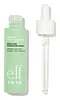
This acne exfoliator is formulated around Niacinamide and Lactobionic Acid to clear breakouts and refine skin texture.
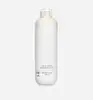
This oil-based cleanser is formulated around Salicylic Acid to clear breakouts and unclog pores.

What's inside
What's inside
 Key Ingredients
Benefits
Concerns
Ingredients Side-by-side
Water
Skin ConditioningNiacinamide
Smoothing











Lactobionic Acid
Buffering
Tranexamic Acid
Astringent
Butylene Glycol
Humectant
Salicylic Acid
Masking





Acacia Senegal Gum
MaskingXanthan Gum
EmulsifyingCaprylyl/Capryl Glucoside
CleansingPolyglyceryl-3 Cocoate
Emulsifying

Polyglyceryl-10 Laurate
Skin Conditioning
Phenoxyethanol
Preservative
Sodium Benzoate
Masking
Disodium EDTA
ChelatingCitric Acid
Buffering
Ethylhexylglycerin
Skin ConditioningEthylhexyl Palmitate
Emollient

Glycerin
Humectant
Water
Skin ConditioningSucrose Laurate
Emollient
Lactic Acid
Buffering
Glycolic Acid
Buffering
Salicylic Acid
Masking
Tartaric Acid
Buffering
Malic Acid
Buffering
Caprae Lac
Skin ConditioningColostrum
Skin Conditioning
Bifida Ferment Lysate
Skin Conditioning
Lactose
HumectantMilk Protein
Skin ConditioningVaccinium Myrtillus Fruit Extract
Skin ConditioningAcer Saccharum Extract
Skin ConditioningCitrus Aurantium Dulcis Fruit Extract
MaskingCitrus Limon Fruit Extract
Masking
Saccharum Officinarum Extract
MoisturisingHoney
Humectant
Aloe Barbadensis Leaf Juice
Skin Conditioning
Chamomilla Recutita Flower Extract
Masking
Eryngium Alpinum Flower Extract
Skin ConditioningSymphytum Officinale Rhizome/Root Extract
Skin ConditioningCucumis Sativus Fruit Extract
Emollient
Whey Protein
Skin ConditioningSucrose Stearate
Emollient1,2-Hexanediol
Skin Conditioning
Caprylyl Glycol
Emollient
Sucrose Palmitate
EmollientCitric Acid
Buffering
C10-18 Triglycerides
Emollient
Lecithin
Emollient
Potassium Sorbate
Preservative
Sodium Benzoate
Masking
Ethylhexyl Palmitate, Glycerin, Water, Sucrose Laurate, Lactic Acid, Glycolic Acid, Salicylic Acid, Tartaric Acid, Malic Acid, Caprae Lac, Colostrum, Bifida Ferment Lysate, Lactose, Milk Protein, Vaccinium Myrtillus Fruit Extract, Acer Saccharum Extract, Citrus Aurantium Dulcis Fruit Extract, Citrus Limon Fruit Extract, Saccharum Officinarum Extract, Honey, Aloe Barbadensis Leaf Juice, Chamomilla Recutita Flower Extract, Eryngium Alpinum Flower Extract, Symphytum Officinale Rhizome/Root Extract, Cucumis Sativus Fruit Extract, Whey Protein, Sucrose Stearate, 1,2-Hexanediol, Caprylyl Glycol, Sucrose Palmitate, Citric Acid, C10-18 Triglycerides, Lecithin, Potassium Sorbate, Sodium Benzoate
Reviews
Ingredients Explained
These ingredients are found in both products.
Ingredients higher up in an ingredient list are typically present in a larger amount.
Citric Acid is an alpha hydroxy acid (AHA) naturally found in citrus fruits like oranges, lemons, and limes.
Like other AHAs, citric acid can exfoliate skin by breaking down the bonds that hold dead skin cells together. This helps reveal smoother and brighter skin underneath.
However, this exfoliating effect only happens at high concentrations (20%) which can be hard to find in cosmetic products.
Due to this, citric acid is usually included in small amounts as a pH adjuster. This helps keep products slightly more acidic and compatible with skin's natural pH.
In skincare formulas, citric acid can:
While it can provide some skin benefits, research shows lactic acid and glycolic acid are generally more effective and less irritating exfoliants.
Most citric acid used in skincare today is made by fermenting sugars (usually from molasses). This synthetic version is identical to the natural citrus form but easier to stabilize and use in formulations.
Rosacea skin has a lower threshold for acids generally, with 62.5% of rosacea subjects in one study reacting to lactic acid in a sting test. This is why we mark citric acid as a potential rosacea trigger.
However, this ingredient shows up as a pH adjuster or chelator at roughly 0.1-1% in many products. These low levels are unlikely to be an issue for rosacea skin and becomes a potential trigger at exfoliating concentrations (20%). Because everybody's skin is unique, we recommend a patch test if you are unsure.
Learn more about Citric AcidSalicylic Acid (also known as beta hydroxy acid or BHA) is a well-known ingredient for treating skin that struggles with acne and clogged pores. It exfoliates both the skin's surface and deep within the pores to help clear out buildup, control oil, and reduce inflammation.
Unlike AHAs (alpha hydroxy acids), salicylic acid is oil-soluble. This allows it to penetrate into pores which makes it especially effective for treating blackheads and preventing future breakouts.
Salicylic acid is also known for its soothing properties. It has a similar structure to aspirin and can calm inflamed or irritated skin, making it a good option for acne-prone skin that is also sensitive.
Concentrations of 0.5-2% are recognized by the U.S. FDA as an over-the-counter topical acne product.
It can cause irritation and/or dryness if one's skin already has a compromised moisture barrier, so it's best to focus on repairing that before introducing this ingredient into your routine.
While salicylic acid does not increase sun sensitivity, it’s still important to wear sunscreen daily to protect your skin.
If you are looking for the ingredient called BHA or Butylated Hydroxyanisole, click here.
Learn more about Salicylic AcidSodium Benzoate is a preservative. It's used in both cosmetic and food products to inhibit the growth of mold and bacteria. It is typically produced synthetically.
Both the US FDA and EU Health Committee have approved the use of sodium benzoate. In the US, levels of 0.1% (of the total product) are allowed.
Sodium benzoate works as a preservative by inhibiting the growth of bacteria inside of cells. It prevents the cell from fermenting a type of sugar using an enzyme called phosphofructokinase.
It is the salt of benzoic acid. Foods containing sodium benzoate include soda, salad dressings, condiments, fruit juices, wines, and snack foods.
Studies for using ascorbic acid and sodium benzoate in cosmetics are lacking, especially in skincare routines with multiple steps.
We always recommend speaking with a professional, such as a dermatologist, if you have any concerns.
Learn more about Sodium BenzoateWater. It's the most common cosmetic ingredient of all. You'll usually see it at the top of ingredient lists, meaning that it makes up the largest part of the product.
So why is it so popular? Water most often acts as a solvent - this means that it helps dissolve other ingredients into the formulation.
You'll also recognize water as that liquid we all need to stay alive. If you see this, drink a glass of water. Remember to stay hydrated!
Learn more about Water

