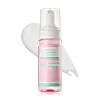
This mild gel makeup remover is made to dissolve makeup, sunscreen, and daily buildup.
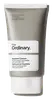
This oil-based makeup remover is made to dissolve makeup, sunscreen, and daily buildup.


What's inside
What's inside
 Key Ingredients
Benefits
Concerns
Ingredients Side-by-side
Water
Skin ConditioningGlycerin
Humectant


Disodium Cocoamphodiacetate
Cleansing1,2-Hexanediol
Skin Conditioning
Sodium Chloride
MaskingPolyglyceryl-10 Laurate
Skin Conditioning

Potassium Cocoyl Glycinate
Surfactant
Sorbitol
Humectant
Butylene Glycol
Humectant
Parfum
Masking



Ethylhexylglycerin
Skin ConditioningHexylene Glycol
EmulsifyingTrisodium Ethylenediamine Disuccinate
ChelatingCitric Acid
Buffering

Niacinamide
Smoothing








Propanediol
Solvent
Isopentyldiol
Humectant
Camellia Japonica Flower Extract
EmollientDecyl Glucoside
Cleansing
Trifolium Pratense Flower Extract
AstringentAloe Barbadensis Leaf Extract
Emollient
Camellia Sinensis Leaf Extract
Antimicrobial
Centella Asiatica Leaf Extract
Skin Conditioning
Grateloupia Elliptica Extract
Skin ConditioningSalix Alba Bark Extract
Astringent
Backhousia Citriodora Leaf Extract
AstringentCI 17200
Cosmetic ColorantGlycine Soja Seed Extract
Skin Conditioning
Bioflavonoids
Skin ConditioningCI 19140
Cosmetic ColorantCitrus Aurantium Bergamia Leaf Extract
AstringentBrassica Oleracea Italica Extract
AstringentCalamine
AbsorbentPinus Sylvestris Leaf Extract
TonicWater, Glycerin, Disodium Cocoamphodiacetate, 1,2-Hexanediol, Sodium Chloride, Polyglyceryl-10 Laurate, Potassium Cocoyl Glycinate, Sorbitol, Butylene Glycol, Parfum, Ethylhexylglycerin, Hexylene Glycol, Trisodium Ethylenediamine Disuccinate, Citric Acid, Niacinamide, Propanediol, Isopentyldiol, Camellia Japonica Flower Extract, Decyl Glucoside, Trifolium Pratense Flower Extract, Aloe Barbadensis Leaf Extract, Camellia Sinensis Leaf Extract, Centella Asiatica Leaf Extract, Grateloupia Elliptica Extract, Salix Alba Bark Extract, Backhousia Citriodora Leaf Extract, CI 17200, Glycine Soja Seed Extract, Bioflavonoids, CI 19140, Citrus Aurantium Bergamia Leaf Extract, Brassica Oleracea Italica Extract, Calamine, Pinus Sylvestris Leaf Extract
Squalane
Emollient
Water
Skin ConditioningCoco-Caprylate/Caprate
Emollient
Glycerin
Humectant
Sucrose Stearate
EmollientEthyl Macadamiate
Skin Conditioning
Caprylic/Capric Triglyceride
Masking
Hydrogenated Starch Hydrolysate
HumectantSucrose Laurate
Emollient
Polyacrylate Crosspolymer-6
Emulsion StabilisingIsoceteth-20
EmulsifyingSodium Polyacrylate
Absorbent
Tocopherol
Antioxidant
Hydroxymethoxyphenyl Decanone
Skin ConditioningTrisodium Ethylenediamine Disuccinate
ChelatingMalic Acid
Buffering
Ethylhexylglycerin
Skin ConditioningChlorphenesin
Antimicrobial
Squalane, Water, Coco-Caprylate/Caprate, Glycerin, Sucrose Stearate, Ethyl Macadamiate, Caprylic/Capric Triglyceride, Hydrogenated Starch Hydrolysate, Sucrose Laurate, Polyacrylate Crosspolymer-6, Isoceteth-20, Sodium Polyacrylate, Tocopherol, Hydroxymethoxyphenyl Decanone, Trisodium Ethylenediamine Disuccinate, Malic Acid, Ethylhexylglycerin, Chlorphenesin
Reviews
Ingredients Explained
These ingredients are found in both products.
Ingredients higher up in an ingredient list are typically present in a larger amount.
Ethylhexylglycerin is created from glycerin. It is a multitasker ingredient that:
The CIR Expert Panel found minimal skin absorption or sensitization of any kind in a safety assessment. Though this ingredient is considered well-tolerated, a small number of cases of allergic dermatitis have been published since 2002. Just be sure to patch test if you are unsure.
Industry-reported use ranges from 8% in rinse-off products and 2% in leave-on formulations.
Learn more about EthylhexylglycerinGlycerin (or glycerol) is a compound naturally found in your skin. It's a powerhouse humectant that pulls water into the stratum corneum.
Topically, glycerin does several things at once:
Your skin makes glycerin on its own (mostly from sebaceous oil breakdown) and shuttles it to your outermost layer of skin, or your epidermis, via aquaporin-3.
Aquaporin-3 is a transporter that is essential for normal skin hydration, elasticity, and repair. Interestingly, mice lacking in AQP3 have dry and less elastic skin that can be fully corrected with glycerin.
This ingredient is non-irritating, plays well with almost every ingredient, and works across all skin types. Typical use is anywhere between 3-10% but can go up to 79% in some leave-on products.
Just know very high concentrations (>40%) can feel tacky in low humidity.
Glycerin is the name for this ingredient in American English. British English uses Glycerol/Glycerine.
Learn more about GlycerinTrisodium Ethylenediamine Disuccinate is used to help stabilize a product.
It is a chelating agent, meaning it helps prevent metal ions from binding to other ingredients. This prevents unwanted reactions in products. Metal ions can come into a product via the water ingredient. They are found in trace amounts and are not known to be harmful.
Water. It's the most common cosmetic ingredient of all. You'll usually see it at the top of ingredient lists, meaning that it makes up the largest part of the product.
So why is it so popular? Water most often acts as a solvent - this means that it helps dissolve other ingredients into the formulation.
You'll also recognize water as that liquid we all need to stay alive. If you see this, drink a glass of water. Remember to stay hydrated!
Learn more about Water

