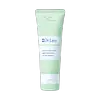
This mild cream cleanser is made to cleanse without leaving your skin tight or dry.


What's inside
What's inside
 Key Ingredients
Benefits
Concerns
Ingredients Side-by-side
Water
Skin ConditioningGlycerin
Humectant


Sodium Cocoyl Glycinate
Cleansing
Cocoyl Glutamic Acid
Cleansing
Sodium Chloride
MaskingBetula Platyphylla Japonica Juice
Skin Conditioning
Hydroxypropyl Starch
Sodium Lauroamphoacetate
CleansingCitric Acid
Buffering


Glycol Distearate
Emollient
Acrylates Copolymer
Maltooligosyl Glucoside
Skin ConditioningPropanediol
Solvent
Decyl Glucoside
Cleansing
Hydroxyacetophenone
Antioxidant
Hydrogenated Starch Hydrolysate
HumectantTrihydroxystearin
Skin Conditioning
Citrus Junos Peel Oil
Astringent
Butylene Glycol
Humectant
PEG-14m
Emulsion StabilisingMauritia Flexuosa Fruit Oil
Skin Conditioning

Glyceryl Caprylate
EmollientPEG-66 Trihydroxystearin
EmulsifyingCamellia Sinensis Leaf Water
Masking
Manicouagan Clay
AbsorbentRosmarinus Officinalis Extract
AntimicrobialChlorophyllin-Copper Complex
Antioxidant
Serenoa Serrulata Fruit Extract
Skin Conditioning
Helianthus Annuus Seed Oil
Emollient
Cellulose
Absorbent
Copper Chlorophyll
Cosmetic ColorantDipropylene Glycol
HumectantCinnamomum Cassia Bark Extract
Masking
1,2-Hexanediol
Skin Conditioning
Camellia Sinensis Leaf Extract
Antimicrobial



Melaleuca Alternifolia Leaf Oil
Antioxidant


Xanthan Gum
EmulsifyingWater, Glycerin, Sodium Cocoyl Glycinate, Cocoyl Glutamic Acid, Sodium Chloride, Betula Platyphylla Japonica Juice, Hydroxypropyl Starch, Sodium Lauroamphoacetate, Citric Acid, Glycol Distearate, Acrylates Copolymer, Maltooligosyl Glucoside, Propanediol, Decyl Glucoside, Hydroxyacetophenone, Hydrogenated Starch Hydrolysate, Trihydroxystearin, Citrus Junos Peel Oil, Butylene Glycol, PEG-14m, Mauritia Flexuosa Fruit Oil, Glyceryl Caprylate, PEG-66 Trihydroxystearin, Camellia Sinensis Leaf Water, Manicouagan Clay, Rosmarinus Officinalis Extract, Chlorophyllin-Copper Complex, Serenoa Serrulata Fruit Extract, Helianthus Annuus Seed Oil, Cellulose, Copper Chlorophyll, Dipropylene Glycol, Cinnamomum Cassia Bark Extract, 1,2-Hexanediol, Camellia Sinensis Leaf Extract, Melaleuca Alternifolia Leaf Oil, Xanthan Gum
Water
Skin ConditioningMyristic Acid
Cleansing
Glycerin
Humectant
Potassium Hydroxide
BufferingPalmitic Acid
Emollient
Stearic Acid
Cleansing
Lauramide DEA
SurfactantPotassium Cocoyl Glycinate
Surfactant
Cocamidopropyl Betaine
Cleansing
Glyceryl Stearate
Emollient
Benzyl Glycol
SolventPEG-100 Stearate
Surfactant
Niacinamide
Smoothing


Potassium Cocoate
Emulsifying
Glycyrrhiza Glabra Root Extract
Bleaching
Sodium Chloride
MaskingPotassium Chloride
Butylene Glycol
Humectant
1,2-Hexanediol
Skin Conditioning
Glycol
HumectantGlycol Distearate
Emollient
Raspberry Ketone
Masking
Carbomer
Emulsion StabilisingDisodium EDTA
Lauric Acid
Cleansing
Ethylhexylglycerin
Skin ConditioningParfum
Masking
Water, Myristic Acid, Glycerin, Potassium Hydroxide, Palmitic Acid, Stearic Acid, Lauramide DEA, Potassium Cocoyl Glycinate, Cocamidopropyl Betaine, Glyceryl Stearate, Benzyl Glycol, PEG-100 Stearate, Niacinamide, Potassium Cocoate, Glycyrrhiza Glabra Root Extract, Sodium Chloride, Potassium Chloride, Butylene Glycol, 1,2-Hexanediol, Glycol, Glycol Distearate, Raspberry Ketone, Carbomer, Disodium EDTA, Lauric Acid, Ethylhexylglycerin, Parfum
Reviews
Ingredients Explained
These ingredients are found in both products.
Ingredients higher up in an ingredient list are typically present in a larger amount.
1,2-Hexanediol is a synthetic liquid and another multi-functional powerhouse.
It is a:
- Humectant, drawing moisture into the skin
- Emollient, helping to soften skin
- Solvent, dispersing and stabilizing formulas
- Preservative booster, enhancing the antimicrobial activity of other preservatives
Butylene Glycol (or BG) is used within cosmetic products for a few different reasons:
Overall, Butylene Glycol is a safe and well-rounded ingredient that works well with other ingredients.
Though this ingredient works well with most skin types, some people with sensitive skin may experience a reaction such as allergic rashes, closed comedones, or itchiness.
Learn more about Butylene GlycolGlycerin (or glycerol) is a compound naturally found in your skin. It's a powerhouse humectant that pulls water into the stratum corneum.
Topically, glycerin does several things at once:
Your skin makes glycerin on its own (mostly from sebaceous oil breakdown) and shuttles it to your outermost layer of skin, or your epidermis, via aquaporin-3.
Aquaporin-3 is a transporter that is essential for normal skin hydration, elasticity, and repair. Interestingly, mice lacking in AQP3 have dry and less elastic skin that can be fully corrected with glycerin.
This ingredient is non-irritating, plays well with almost every ingredient, and works across all skin types. Typical use is anywhere between 3-10% but can go up to 79% in some leave-on products.
Just know very high concentrations (>40%) can feel tacky in low humidity.
Glycerin is the name for this ingredient in American English. British English uses Glycerol/Glycerine.
Learn more about GlycerinGlycol Distearate is an emulsifier and emollient that adds a "pearly" appearance to formulations.
That lustrous look you see in many shampoos is due to this ingredient: when cooled, it crystallizes into small platelets that reflect light to give products that rich, shimmering look.
This ingredient is considered safe at present practices of use and concentration and repeated insult patch test with 50% Glycol Distearate on 125 subjects found no evidence of skin irritation, hypersensitivity, or acute toxicity.
Typical use concentrations range from 0.1-10%.
Because it's an ester of stearic acid, it falls into the range that Malassezia likes to metabolize. This ingredient may not be fungal acne safe.
Learn more about Glycol DistearateChances are, you eat sodium chloride every day. Sodium Chloride is also known as table salt. This ingredient has many purposes in skincare: thickener, emulsifier, and exfoliator.
You'll most likely find this ingredient in cleansers where it is used to create a gel-like texture. As an emulsifier, it also prevents ingredients from separating.
You might see people debate whether Sodium Chloride is comedogenic, but there actually haven't been any comedogenic tests done on it. Either way, the overall formulation of a product matters a lot more than any single ingredient.
You might see this ingredient used in scrubs as a primary exfoliating ingredient.
Learn more about Sodium ChlorideWater. It's the most common cosmetic ingredient of all. You'll usually see it at the top of ingredient lists, meaning that it makes up the largest part of the product.
So why is it so popular? Water most often acts as a solvent - this means that it helps dissolve other ingredients into the formulation.
You'll also recognize water as that liquid we all need to stay alive. If you see this, drink a glass of water. Remember to stay hydrated!
Learn more about Water

