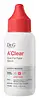
This acne serum is formulated around Niacinamide and Madecassoside to clear breakouts and calm redness.
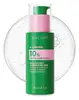
This acne serum is formulated around Azelaic Acid and Niacinamide to clear breakouts and calm redness.

What's inside
What's inside
 Key Ingredients
Benefits
Ingredients Side-by-side
Water
Skin ConditioningPentylene Glycol
Skin Conditioning
2,3-Butanediol
HumectantDiethoxyethyl Succinate
SolventDimethyl Sulfone
SolventNiacinamide
Smoothing










Lactobacillus Ferment
Skin Conditioning
Ammonium Polyacryloyldimethyl Taurate
Emulsion StabilisingGlycerin
Humectant
Panthenol
Skin Conditioning
Succinic Acid
BufferingTromethamine
BufferingButylene Glycol
Humectant
Dipotassium Glycyrrhizate
Humectant
Allantoin
Skin Conditioning
Stevia Rebaudiana Leaf/Stem Extract
Masking1,2-Hexanediol
Skin Conditioning
Disodium EDTA
Dextrin
AbsorbentTheobroma Cacao Seed Extract
Antioxidant
Centella Asiatica Extract
Cleansing
Houttuynia Cordata Extract
Skin Conditioning
Mentha Aquatica Extract
TonicMentha Suaveolens Leaf Extract
AstringentMentha Viridis Extract
MaskingAsiatic Acid
Skin Conditioning
Asiaticoside
Antioxidant
Madecassic Acid
Skin Conditioning
Madecassoside
Antioxidant
Salix Alba Bark Extract
Astringent
Water, Pentylene Glycol, 2,3-Butanediol, Diethoxyethyl Succinate, Dimethyl Sulfone, Niacinamide, Lactobacillus Ferment, Ammonium Polyacryloyldimethyl Taurate, Glycerin, Panthenol, Succinic Acid, Tromethamine, Butylene Glycol, Dipotassium Glycyrrhizate, Allantoin, Stevia Rebaudiana Leaf/Stem Extract, 1,2-Hexanediol, Disodium EDTA, Dextrin, Theobroma Cacao Seed Extract, Centella Asiatica Extract, Houttuynia Cordata Extract, Mentha Aquatica Extract, Mentha Suaveolens Leaf Extract, Mentha Viridis Extract, Asiatic Acid, Asiaticoside, Madecassic Acid, Madecassoside, Salix Alba Bark Extract
Water
Skin ConditioningAzelaic Acid
Buffering
Dipropylene Glycol
HumectantPentylene Glycol
Skin Conditioning
Sodium Hydroxide
Buffering1,2-Hexanediol
Skin Conditioning
Niacinamide
Smoothing
Panthenol
Skin Conditioning
Snail Secretion Filtrate
Skin Conditioning
Butylene Glycol
Humectant
Ethylhexylglycerin
Skin ConditioningPropanediol
Solvent
Hyaluronic Acid
Humectant
Hydrolyzed Hyaluronic Acid
Humectant
Sodium Hyaluronate
Humectant
Reviews
Ingredients Explained
These ingredients are found in both products.
Ingredients higher up in an ingredient list are typically present in a larger amount.
1,2-Hexanediol is a synthetic liquid and another multi-functional powerhouse.
It is a:
- Humectant, drawing moisture into the skin
- Emollient, helping to soften skin
- Solvent, dispersing and stabilizing formulas
- Preservative booster, enhancing the antimicrobial activity of other preservatives
Butylene Glycol (or BG) is used within cosmetic products for a few different reasons:
Overall, Butylene Glycol is a safe and well-rounded ingredient that works well with other ingredients.
Though this ingredient works well with most skin types, some people with sensitive skin may experience a reaction such as allergic rashes, closed comedones, or itchiness.
Learn more about Butylene GlycolNiacinamide is a multitasking form of vitamin B3 that strengthens the skin barrier, reduces pores and dark spots, regulates oil, and improves signs of aging.
And the best part? It's gentle and well-tolerated by most skin types, including sensitive and reactive skin.
You might have heard of "niacin flush", or the reddening of skin that causes itchiness. Niacinamide has not been found to cause this.
In very rare cases, some individuals may not be able to tolerate niacinamide at all or experience an allergic reaction to it.
If you are experiencing flaking, irritation, and dryness with this ingredient, be sure to double check all your products as this ingredient can be found in all categories of skincare.
When incorporating niacinamide into your routine, look out for concentration amounts. Typically, 5% niacinamide provides benefits such as fading dark spots. However, if you have sensitive skin, it is better to begin with a smaller concentration.
When you apply niacinamide to your skin, your body converts it into nicotinamide adenine dinucleotide (NAD). NAD is an essential coenzyme that is already found in your cells as "fuel" and powers countless biological processes.
In your skin, NAD helps repair cell damage, produce new healthy cells, support collagen production, strengthen the skin barrier, and fight environmental stressors (like UV and pollution).
Our natural NAD levels start to decline with age, leading to slower skin repair, visible aging, and a weaker skin barrier. By providing your skin niacinamide, you're recharging your skin's NAD levels. This leads to stronger, healthier, and younger looking skin.
Another name for vitamin B3 is nicotinamide. This vitamin is water-soluble and our bodies don't store it. We obtain Vitamin B3 from either food or skincare. Meat, fish, wheat, yeast, and leafy greens contain vitamin B3.
The type of niacinamide used in skincare is synthetically created.
Learn more about NiacinamidePanthenol is a common ingredient that helps hydrate and soothe the skin. It is found naturally in our skin and hair.
There are two forms of panthenol: D and L.
D-panthenol is also known as dexpanthenol. Most cosmetics use dexpanthenol or a mixture of D and L-panthenol.
Panthenol is famous due to its ability to go deeper into the skin's layers. Using this ingredient has numerous pros (and no cons):
Like hyaluronic acid, panthenol is a humectant. Humectants are able to bind and hold large amounts of water to keep skin hydrated.
This ingredient works well for wound healing. It works by increasing tissue in the wound and helps close open wounds.
Once oxidized, panthenol converts to pantothenic acid. Panthothenic acid is found in all living cells.
This ingredient is also referred to as pro-vitamin B5.
Learn more about PanthenolPentylene Glycol (1,2-pentanediol) is a multitasking little diol with three main roles in a formula:
Research on alkanediols (the family pentylene glycol belongs to) show they work by disrupting microbial cell membranes. This disruption helps the primary preservative system in a product work more effectively at lower doses.
On the safety side, the Cosmetic Ingredient Review Expert Panel has concluded this ingredient to be safe as used in current cosmetic practices + concentrations.
Typical use levels in a formula run about 1-5%.
Learn more about Pentylene GlycolWater. It's the most common cosmetic ingredient of all. You'll usually see it at the top of ingredient lists, meaning that it makes up the largest part of the product.
So why is it so popular? Water most often acts as a solvent - this means that it helps dissolve other ingredients into the formulation.
You'll also recognize water as that liquid we all need to stay alive. If you see this, drink a glass of water. Remember to stay hydrated!
Learn more about Water

