
What's inside
What's inside
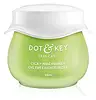 Key Ingredients
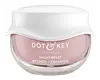
Benefits
Concerns
Ingredients Side-by-side
Water
Skin ConditioningCyclopentasiloxane
Emollient
Dimethicone Crosspolymer
Emulsion Stabilising
Glycerin
Humectant


Polyacrylamide
C13-14 Isoparaffin
Emollient
Laureth-7
EmulsifyingNiacinamide
Smoothing









Divinyldimethicone/Dimethicone Copolymer
C12-13 Pareth-23
CleansingC12-13 Pareth-3
EmulsifyingSaccharide Isomerate
Humectant
Silanetriol
Hyaluronic Acid
Humectant
Benzyl Alcohol
Perfuming





Ethylhexylglycerin
Skin ConditioningTocopherol
Antioxidant

Methylsilanol Mannuronate
Skin ConditioningAcrylates/C10-30 Alkyl Acrylate Crosspolymer
Emulsion StabilisingTocopheryl Acetate
Antioxidant
Allantoin
Skin Conditioning
Sodium Hydroxide
BufferingDisodium EDTA
Laminaria Digitata Extract
Skin Protecting
Cetyl-Pg Hydroxyethyl Palmitamide
Skin ConditioningCeramide EOP
Skin Conditioning
Ceramide Ns
Skin Conditioning
Ceramide NP
Skin Conditioning
Ceramide As
Skin Conditioning
Ceramide AP
Skin Conditioning
Centella Asiatica Extract
Cleansing
Avena Sativa Meal Extract
SoothingAloe Barbadensis Leaf Juice Powder
Skin Conditioning
Camellia Sinensis Leaf Extract
Antimicrobial
Water, Cyclopentasiloxane, Dimethicone Crosspolymer, Glycerin, Polyacrylamide, C13-14 Isoparaffin, Laureth-7, Niacinamide, Divinyldimethicone/Dimethicone Copolymer, C12-13 Pareth-23, C12-13 Pareth-3, Saccharide Isomerate, Silanetriol, Hyaluronic Acid, Benzyl Alcohol, Ethylhexylglycerin, Tocopherol, Methylsilanol Mannuronate, Acrylates/C10-30 Alkyl Acrylate Crosspolymer, Tocopheryl Acetate, Allantoin, Sodium Hydroxide, Disodium EDTA, Laminaria Digitata Extract, Cetyl-Pg Hydroxyethyl Palmitamide, Ceramide EOP, Ceramide Ns, Ceramide NP, Ceramide As, Ceramide AP, Centella Asiatica Extract, Avena Sativa Meal Extract, Aloe Barbadensis Leaf Juice Powder, Camellia Sinensis Leaf Extract
Water
Skin ConditioningGlycerin
Humectant
Dicaprylyl Ether
Emollient
Dimethicone
Emollient
Dimethicone Crosspolymer
Emulsion Stabilising
Polyacrylamide
C13-14 Isoparaffin
Emollient
Laureth-7
EmulsifyingMethylsilanol Mannuronate
Skin ConditioningPhenoxyethanol
Preservative
Ethylhexylglycerin
Skin ConditioningSilanetriol
Hyaluronic Acid
Humectant
Retinyl Palmitate
Skin Conditioning

Hibiscus Sabdariffa Flower Extract
Skin ConditioningHippophae Rhamnoides Fruit Oil
Skin Protecting
Oenothera Biennis Oil
Emollient
Milk Lipids
Skin Conditioning
Ceramide NP
Skin Conditioning
Acrylates/C10-30 Alkyl Acrylate Crosspolymer
Emulsion StabilisingTocopheryl Acetate
Antioxidant
Sodium Hydroxide
BufferingSodium Ascorbyl Phosphate
Antioxidant
Panthenol
Skin Conditioning
Allantoin
Skin Conditioning
Disodium EDTA
CI 16185
Cosmetic ColorantCI 15985
Cosmetic ColorantCI 42090
Cosmetic ColorantWater, Glycerin, Dicaprylyl Ether, Dimethicone, Dimethicone Crosspolymer, Polyacrylamide, C13-14 Isoparaffin, Laureth-7, Methylsilanol Mannuronate, Phenoxyethanol, Ethylhexylglycerin, Silanetriol, Hyaluronic Acid, Retinyl Palmitate, Hibiscus Sabdariffa Flower Extract, Hippophae Rhamnoides Fruit Oil, Oenothera Biennis Oil, Milk Lipids, Ceramide NP, Acrylates/C10-30 Alkyl Acrylate Crosspolymer, Tocopheryl Acetate, Sodium Hydroxide, Sodium Ascorbyl Phosphate, Panthenol, Allantoin, Disodium EDTA, CI 16185, CI 15985, CI 42090
Reviews
Ingredients Explained
These ingredients are found in both products.
Ingredients higher up in an ingredient list are typically present in a larger amount.
Acrylates/C10-30 Alkyl Acrylate Crosspolymer is a synthetic polymer. It is used to thicken, emulsify, and improve the texture of products.
As an emulsifier, it helps stabilize oil-in-water emulsions to give products an elegant feel when applied.
It can also form a thin protective film on skin. One study found that a formula using this polymer helped slow down how quickly other ingredients (like DEET) were absorbed through skin.
A 2024 study of over 1,300 patients confirmed that sensitization to this ingredient is rare. It is also non-mutagenic and has a clean track record.
Learn more about Acrylates/C10-30 Alkyl Acrylate CrosspolymerAllantoin is a soothing ingredient known for its protective and moisturizing properties; it's basically a quiet workhorse ingredient you can find in a huge range of cosmetics.
Though it can be derived from the comfrey plant, allantoin is produced synthetically for cosmetic products to ensure purity.
Research shows it can encourage your skin cells to turn over and renew by stimulating keratinocyte and fibroblast proliferation.
It also has mild keratolytic properties to help loosen and shed dead skin cells without being harsh.
Studies also suggest allantoin can help calm inflammation by dialing down some of the chemical signals your skin sends out when it is irritated.
This ingredient is typically used in the 0.1-0.5% range, and the FDA recognizes it as a skin protectant in OTC products up to 2%.
Overall, allantoin is a wonderful addition to most routines; it is stable across a wide pH range (~4-8), works well with other ingredients, and is considered non-sensitizing/non-irritating.
Fun fact: Allantoin is naturally occurring in comfrey root, beets, chamomile, and wheat sprouts. Our bodies even produce it as a byproduct of uric acid metabolism.
Learn more about AllantoinThis ingredient is also known as "C13-14 Isoalkane".
C13-14 Isoparaffin is created from petroleum-based mineral oils. It is an emollient and helps thicken a product.
As an emollient, it helps keep the skin soft and smooth by creating a barrier on top. This barrier traps moisture in, keeping the skin hydrated.
C13-14 Isoparaffin may not be fungal-acne safe.
Learn more about C13-14 IsoparaffinCeramide NP (formerly known as Ceramide 3) is one of the skin's naturally occurring lipids.
Since ceramides are the major lipid components of the skin, they are crucial for maintaining skin barrier and hydration. Ceramide NP most closely mirrors the dominant kind in human skin amongst ceramide subtypes.
This ceramide works by slotting into gaps within the stratum corneum's lipid matrix to limit trans-epidermal water loss (TEWL) and shield the skin against external irritants.
A study with 312 patients found that using a ceramide-containing routine for 4 weeks reduced the severity of atopic dermatitis by over 61%.
Another clinical study in subjects aged 60 and older found that a ceramide body wash and moisturizer improved skin dryness and itchy skin in 15 days.
Overall, ceramides are considered non-irritating and safety tests have found little to no observable adverse effects from using this ingredient.
Ceramide NP is usually sourced from plants (like soybean or rice bran), or produced synthetically.
Learn more about Ceramide NPDimethicone Crosspolymer is a silicone created by modifying dimethicone with hydrocarbon side chains. Due to its large size, it does not penetrate skin. It is considered non-occlusive.
Dimethicone Crosspolymer is used to stabilize and thicken products. It also helps give products a silky feel.
Disodium EDTA is a chelating agent. It grabs onto and deactivates metal ions that sneak into your products from water, packaging, or air.
This ingredient mainly works behind the scenes and helps with:
On top of that, this ingredient can counteract the effects of hard water by binding to the minerals in it.
One thing worth knowing is that Disodium EDTA has been shown to be a mild penetration enhancer. It can help other ingredients absorb into skin more effectively which can be a double-edged sword (great for actives, but can also make the active too strong if you have sensitive skin).
Clinical patch testing showed no significant skin irritation at typical use concentrations and minimal dermal absorption.
You'll most likely see this ingredient near the end of an ingredient list. It's typically found in concentrations less than 1%.
Learn more about Disodium EDTAEthylhexylglycerin is created from glycerin. It is a multitasker ingredient that:
The CIR Expert Panel found minimal skin absorption or sensitization of any kind in a safety assessment. Though this ingredient is considered well-tolerated, a small number of cases of allergic dermatitis have been published since 2002. Just be sure to patch test if you are unsure.
Industry-reported use ranges from 8% in rinse-off products and 2% in leave-on formulations.
Learn more about EthylhexylglycerinGlycerin (or glycerol) is a compound naturally found in your skin. It's a powerhouse humectant that pulls water into the stratum corneum.
Topically, glycerin does several things at once:
Your skin makes glycerin on its own (mostly from sebaceous oil breakdown) and shuttles it to your outermost layer of skin, or your epidermis, via aquaporin-3.
Aquaporin-3 is a transporter that is essential for normal skin hydration, elasticity, and repair. Interestingly, mice lacking in AQP3 have dry and less elastic skin that can be fully corrected with glycerin.
This ingredient is non-irritating, plays well with almost every ingredient, and works across all skin types. Typical use is anywhere between 3-10% but can go up to 79% in some leave-on products.
Just know very high concentrations (>40%) can feel tacky in low humidity.
Glycerin is the name for this ingredient in American English. British English uses Glycerol/Glycerine.
Learn more about GlycerinHyaluronic acid (HA) is a glycosaminoglycan (basically a long sugar chain) that your skin already makes on its own. In your skin, HA lives in the extracellular matrix and acts as the body's moisture reservoir.
Topically, HA is a humectant that binds water and helps skin look more plump, smooth, and hydrated.
The only catch is that HA isn't a single thing; it actually comes in a wide range of molecular weights (~50 - 2,000+ kDA) and size matters.
Some clinical evidence links low molecular weight versions to improved wrinkle depth, elasticity, anti-inflammatory effects, and barrier repair.
This is why the best HA serums blend the two sizes together so you get the best of both worlds.
The majority of cosmetic HA is produced by bacterial fermentation, typically using Streptococcus or Bacillus strains. Typical use levels in skincare sit around 0.1-2%.
A clinical study using a 0.2% low-molecular weight HA gel showed improvement in facial seborrheic dermatitis with excellent tolerance.
These are some other common types of Hyaluronic Acid:
Learn more about Hyaluronic AcidLaureth-7 is created by the ethoxylation of lauryl alcohol using ethylene oxide. Lauryl alcohol is a fatty alcohol with hydrating properties.
This ingredient is an emulsifier and cleansing ingredient. As an emulsifier, it is used to prevent ingredients from separating. It also helps cleanse the skin by gathering dirt, oil, and pollutants to be rinsed away.
We don't have a description for Methylsilanol Mannuronate yet.
Polyacrylamide is a synthetic polymer. It is used to stabilize products and bind ingredients. When hydrated, Polyacrylamide forms a soft gel.
Polyacrylamide is low-toxicity. If source properly, it is deemed safe to use in cosmetics.
It should be noted the precursor to Polyacrylamide is acrylamide. Acrylamide is a carcinogen. Most reputable sources of Polyacrylamide will screen for residual acrylamide to make sure the count is in a safe range. Acrylamide is not able to be absorbed through the skin.
We recommend speaking with a professional if you have concerns.
Learn more about PolyacrylamideWe don't have a description for Silanetriol yet.
Sodium Hydroxide is also known as lye or caustic soda. It is used to adjust the pH of products; many ingredients require a specific pH to be effective.
In small amounts, sodium hydroxide is considered safe to use. However, large amounts may cause chemical burns due to its high alkaline.
Your skin has a natural pH and acid mantle. This acid mantle helps prevent harmful bacteria from breaking through. The acid mantle also helps keep your skin hydrated.
"Alkaline" refers to a high pH level. A low pH level would be considered acidic.
Learn more about Sodium HydroxideTocopheryl Acetate is AKA Vitamin E. It is an antioxidant and protects your skin from free radicals. Free radicals damage the skin by breaking down collagen.
One study found using Tocopheryl Acetate with Vitamin C decreased the number of sunburned cells.
Tocopheryl Acetate is commonly found in both skincare and dietary supplements.
Learn more about Tocopheryl AcetateWater. It's the most common cosmetic ingredient of all. You'll usually see it at the top of ingredient lists, meaning that it makes up the largest part of the product.
So why is it so popular? Water most often acts as a solvent - this means that it helps dissolve other ingredients into the formulation.
You'll also recognize water as that liquid we all need to stay alive. If you see this, drink a glass of water. Remember to stay hydrated!
Learn more about Water
