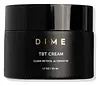
This anti-aging night moisturizer is formulated around Bakuchiol to soften the look of wrinkles and refine skin texture.
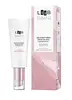
This barrier-repair night moisturizer is formulated around Butyrospermum Parkii Butter and Borago Officinalis Seed Oil to strengthen the skin barrier and hydrate skin.


What's inside
What's inside
 Key Ingredients
Benefits
Concerns
Ingredients Side-by-side
Water
Skin ConditioningCetyl Ricinoleate
Emollient

Tribehenin
Emollient
Glycerin
Humectant


Pentylene Glycol
Skin Conditioning
Isododecane
EmollientPolyglyceryl-6 Stearate
Emollient
Polyglyceryl-6 Behenate
Emulsion Stabilising
Dimethicone
Emollient
Pyrus Malus Fruit Extract
Skin Conditioning
Bakuchiol
Antimicrobial








Hydrogenated Olive Oil Unsaponifiables
Emollient
Orobanche Rapum Extract
Skin ProtectingPhytosterols
Skin Conditioning
Behenyl Alcohol
Emollient
Glyceryl Stearate
Emollient
Linoleic Acid
Cleansing
Phospholipids
Skin Conditioning
Stearyl Dimethicone
Emollient
Octadecene
SolventVp/Va Copolymer
Propanediol
Solvent
Hydroxyacetophenone
Antioxidant
Dimethicone Crosspolymer
Emulsion Stabilising
Xanthan Gum
Emulsifying1,2-Hexanediol
Skin Conditioning
Tetrasodium EDTA
ChelatingWater, Cetyl Ricinoleate, Tribehenin, Glycerin, Pentylene Glycol, Isododecane, Polyglyceryl-6 Stearate, Polyglyceryl-6 Behenate, Dimethicone, Pyrus Malus Fruit Extract, Bakuchiol, Hydrogenated Olive Oil Unsaponifiables, Orobanche Rapum Extract, Phytosterols, Behenyl Alcohol, Glyceryl Stearate, Linoleic Acid, Phospholipids, Stearyl Dimethicone, Octadecene, Vp/Va Copolymer, Propanediol, Hydroxyacetophenone, Dimethicone Crosspolymer, Xanthan Gum, 1,2-Hexanediol, Tetrasodium EDTA
Water
Skin ConditioningPolyglyceryl-6 Stearate
Emollient
Coco-Caprylate/Caprate
Emollient
Tripelargonin
EmollientBetaine
Humectant
Pentylene Glycol
Skin Conditioning
Butyrospermum Parkii Butter
Skin Conditioning


Cetearyl Alcohol
Emollient
Cetyl Esters
Emollient
Glycerin
Humectant
Glyceryl Stearate
Emollient
Borago Officinalis Seed Oil
Emollient
Squalane
Emollient
Tocopheryl Acetate
Antioxidant
Hydroxyacetophenone
Antioxidant
Dicaprylyl Carbonate
EmollientMelatonin
Antioxidant
Centella Asiatica Extract
Cleansing
Cyanocobalamin
Skin ConditioningPhospholipids
Skin Conditioning
Lactobacillus Ferment
Skin Conditioning
Allantoin
Skin Conditioning
Tocopherol
Antioxidant
Polyglyceryl-6 Behenate
Emulsion Stabilising
Cellulose
Absorbent
Cetyl Hydroxyethylcellulose
Emulsion StabilisingAcacia Senegal Gum
MaskingXanthan Gum
EmulsifyingCitric Acid
Buffering
Benzotriazolyl Dodecyl P-Cresol
UV AbsorberParfum
Masking


Tetramethyl Acetyloctahydronaphthalenes
Masking
Water, Polyglyceryl-6 Stearate, Coco-Caprylate/Caprate, Tripelargonin, Betaine, Pentylene Glycol, Butyrospermum Parkii Butter, Cetearyl Alcohol, Cetyl Esters, Glycerin, Glyceryl Stearate, Borago Officinalis Seed Oil, Squalane, Tocopheryl Acetate, Hydroxyacetophenone, Dicaprylyl Carbonate, Melatonin, Centella Asiatica Extract, Cyanocobalamin, Phospholipids, Lactobacillus Ferment, Allantoin, Tocopherol, Polyglyceryl-6 Behenate, Cellulose, Cetyl Hydroxyethylcellulose, Acacia Senegal Gum, Xanthan Gum, Citric Acid, Benzotriazolyl Dodecyl P-Cresol, Parfum, Tetramethyl Acetyloctahydronaphthalenes
Reviews
Ingredients Explained
These ingredients are found in both products.
Ingredients higher up in an ingredient list are typically present in a larger amount.
Glycerin (or glycerol) is a compound naturally found in your skin. It's a powerhouse humectant that pulls water into the stratum corneum.
Topically, glycerin does several things at once:
Your skin makes glycerin on its own (mostly from sebaceous oil breakdown) and shuttles it to your outermost layer of skin, or your epidermis, via aquaporin-3.
Aquaporin-3 is a transporter that is essential for normal skin hydration, elasticity, and repair. Interestingly, mice lacking in AQP3 have dry and less elastic skin that can be fully corrected with glycerin.
This ingredient is non-irritating, plays well with almost every ingredient, and works across all skin types. Typical use is anywhere between 3-10% but can go up to 79% in some leave-on products.
Just know very high concentrations (>40%) can feel tacky in low humidity.
Glycerin is the name for this ingredient in American English. British English uses Glycerol/Glycerine.
Learn more about GlycerinGlyceryl Stearate is made by reacting glycerin with stearic acid (typically sourced from plant oils like palm or coconut). It's an emulsifier, emollient, and mild occlusive.
Emulsifiers help ingredients like oil and water stay mixed so your formula stays nicely blended and uniform in texture.
This ingredient is typically used in concentrations between 1-10%. Studies have found it to be non-sensitizing, non-phototoxic, and non-photoallergenic.
A close cousin of this ingredient is Glyceryl Stearate SE ("self-emulsifying"). This just has a small amount of sodium or potassium stearate added so it can emulsify without a co-emulsifier.
Since this ingredient is an ester of a C18 fatty acid, it may not be fungal acne safe. The Malassezia yeast can potentially metabolize within the C11-C24 range.
Fun fact: The human body also creates Glyceryl Stearate naturally.
Learn more about Glyceryl StearateHydroxyacetophenone is a small phenolic molecule that earns its place in a formulas as an antioxidant and preservative booster.
As a phenol, it is able to neutralize free radicals to protect both the product and the skin from oxidative stress.
Though it can't kill microbes on its own, it works as a good supporting agent when combined with other preservatives like Phenoxyethanol or 1,2-Hexanediol.
This ingredient naturally occurs as piceol in Norwegian spruce needles (~0.4-1.1% dry weight and in cloudberries). Though the cosmetic-grade material is synthesized for purity and consistency.
You'll usually see it used at low levels and suppliers recommend up to 1% added to a water phase.
Safety testing was done at concentrations like 0.05% in SPF products and 0.5% in a Human Repeated Insult Patch Test. The safety evidence is assuring; this ingredient is safe for cosmetics in current use and also holds safety status as a food flavoring as well.
An honest caveat: the "soothing" and "anti-inflammatory" claims come mostly from supplier marketing rather than published clinical trials. The Cosmetic Ingredient Review's own literature search found no useful efficacy studies on this ingredient.
So the antioxidant and preservative-boosting roles are the well supported ones while the calming benefit is plausible but thinly evidenced.
Overall, this is a well-tolerated, low-irritation multitasker that quietly helps a formula stay fresh and stable.
Learn more about HydroxyacetophenonePentylene Glycol (1,2-pentanediol) is a multitasking little diol with three main roles in a formula:
Research on alkanediols (the family pentylene glycol belongs to) show they work by disrupting microbial cell membranes. This disruption helps the primary preservative system in a product work more effectively at lower doses.
On the safety side, the Cosmetic Ingredient Review Expert Panel has concluded this ingredient to be safe as used in current cosmetic practices + concentrations.
Typical use levels in a formula run about 1-5%.
Learn more about Pentylene GlycolPhospholipids are a family of skin-identical lipids that makeup the structural backbone of every cell membrane in your body.
In cosmetics, they function as skin conditioning agents with emulsifier and surfactant properties. They're typically sourced from soybean or sunflower lecithin (or sometimes egg yolk or marine sources).
Because they mirror the lipids naturally found in the deeper layers of your skin, topical phospholipids help reinforce the lipid matrix, reduce transepidermal water loss, and leave skin feeling conditioned.
They're also used to form liposomes, or tiny self-assembling vesible used to stabilize actives like vitamin c or retinol. This helps these ingredients integrate into the upper layers of skin more easily.
Phospholipids are compatible with everything and the CIR Expert Panel has concluded them to be safe at current use levels.
Some types of phospholipids include:
Learn more about PhospholipidsPolyglyceryl-6 Behenate isn't fungal acne safe.
Polyglyceryl-6 Stearate isn't fungal acne safe.
Water. It's the most common cosmetic ingredient of all. You'll usually see it at the top of ingredient lists, meaning that it makes up the largest part of the product.
So why is it so popular? Water most often acts as a solvent - this means that it helps dissolve other ingredients into the formulation.
You'll also recognize water as that liquid we all need to stay alive. If you see this, drink a glass of water. Remember to stay hydrated!
Learn more about WaterXanthan gum is used as a stabilizer and thickener within cosmetic products. It helps give products a sticky, thick feeling - preventing them from being too runny.
On the technical side of things, xanthan gum is a polysaccharide - a combination consisting of multiple sugar molecules bonded together.
Xanthan gum is a pretty common and great ingredient. It is a natural, non-toxic, non-irritating ingredient that is also commonly used in food products.
Learn more about Xanthan Gum

