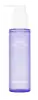
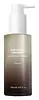
This oil-based makeup remover is made to dissolve makeup, sunscreen, and daily buildup.
This oil-based makeup remover is made to dissolve makeup, sunscreen, and daily buildup.

What's inside
What's inside
 Key Ingredients
Benefits
Concerns
Ingredients Side-by-side
Tromethamine
BufferingSorbeth-30 Tetraoleate
Emulsifying

Salicylic Acid
Masking









Sodium Acetylated Hyaluronate
Humectant

Sodium Hyaluronate Crosspolymer
Humectant

Hyaluronic Acid
Humectant
Niacinamide
Smoothing



Water
Skin ConditioningSodium Guaiazulene Sulfonate
SurfactantSorbitan Sesquioleate
Emulsifying
Caprylic/Capric Triglyceride
Masking
Butylene Glycol
Humectant
Hydrolyzed Hyaluronic Acid
Humectant
Parfum
Masking

Arginine
Masking
Hydroxypropyltrimonium Hyaluronate
Sodium Hyaluronate
Humectant
Citric Acid
Buffering
Betaine
Humectant
Propanediol
Solvent
Ethylhexyl Palmitate
Emollient

Hydrolyzed Glycosaminoglycans
HumectantDipropylene Glycol
HumectantGlycerin
Humectant
Potassium Cetyl Phosphate
EmulsifyingHydrogenated Lecithin
Emulsifying
Benzyl Glycol
Solvent1,2-Hexanediol
Skin Conditioning
Sodium Surfactin
CleansingSodium Polyacryloyldimethyl Taurate
Emulsion StabilisingDisodium EDTA
ChelatingCetyl Ethylhexanoate
EmollientGluconolactone
Chelating
Perilla Ocymoides Leaf Extract
TonicCopper Tripeptide-1
Skin Conditioning
Capryloyl Salicylic Acid
Exfoliating
Palmitoyl Tripeptide-1
Skin Conditioning
Ethylhexylglycerin
Skin ConditioningTromethamine, Sorbeth-30 Tetraoleate, Salicylic Acid, Sodium Acetylated Hyaluronate, Sodium Hyaluronate Crosspolymer, Hyaluronic Acid, Niacinamide, Water, Sodium Guaiazulene Sulfonate, Sorbitan Sesquioleate, Caprylic/Capric Triglyceride, Butylene Glycol, Hydrolyzed Hyaluronic Acid, Parfum, Arginine, Hydroxypropyltrimonium Hyaluronate, Sodium Hyaluronate, Citric Acid, Betaine, Propanediol, Ethylhexyl Palmitate, Hydrolyzed Glycosaminoglycans, Dipropylene Glycol, Glycerin, Potassium Cetyl Phosphate, Hydrogenated Lecithin, Benzyl Glycol, 1,2-Hexanediol, Sodium Surfactin, Sodium Polyacryloyldimethyl Taurate, Disodium EDTA, Cetyl Ethylhexanoate, Gluconolactone, Perilla Ocymoides Leaf Extract, Copper Tripeptide-1, Capryloyl Salicylic Acid, Palmitoyl Tripeptide-1, Ethylhexylglycerin



Reviews
Ingredients Explained
These ingredients are found in both products.
Ingredients higher up in an ingredient list are typically present in a larger amount.
Caprylic/Capric Triglyceride (aka MCT Oil) is a lightweight emollient, solvent, and texture enhancer. It is considered a skin-softener by helping to prevent moisture loss.
Though it behaves like an oil, it is not technically one due to its chemical composition. One perk of this ingredient is that it is very stable, resistant to oxidation, and unlikely to go rancid.
In practice, that translates to a long shelf life and a consistently elegant skin feel.
While there is an assumption Caprylic Triglyceride can clog pores due to it being derived from coconut oil, there is no research supporting this. Just patch test if you have concerns.
Fractionated coconut oil and MCT Oil are both listed as Caprylic/Capric Triglyceride according to INCI. This is because INCI names are based on the ingredient’s final chemical composition and not its marketing name or source.
This ingredient is treated as the gold standard fungal acne safe oil. Even though it is coconut derived, the problematic lauric acid is stripped out.
This leaves just caprylic (C8) and capric (C10) acid. These chain lengths actually trend antifungal; a 2020 study found caprylic acid was enough to disrupt Malassezia furfur cell membrane, with a caprylic acid derivative damaging membrane structures at concentrations as low as 0.2%.
Learn more about Caprylic/Capric TriglycerideEthylhexylglycerin is created from glycerin. It is a multitasker ingredient that:
The CIR Expert Panel found minimal skin absorption or sensitization of any kind in a safety assessment. Though this ingredient is considered well-tolerated, a small number of cases of allergic dermatitis have been published since 2002. Just be sure to patch test if you are unsure.
Industry-reported use ranges from 8% in rinse-off products and 2% in leave-on formulations.
Learn more about EthylhexylglycerinSorbeth-30 Tetraoleate is a surfactant and emulsifier.
This ingredient is a tetraester from oleic acid and polyethylene glycol ether of sorbitol.
As an emulsifier, it helps ingredients such as oil and water mix together. This allows the dirt and oils in your skin to be washed away.
One study found pumpkin oil containing Sorbeth-30 Tetraoleate helped hydrate the skin and did not cause any irritation.
Learn more about Sorbeth-30 Tetraoleate

