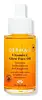
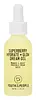
Derma E Vitamin C Brightening Glow Face Oil Versus Youth To The People Superberry Hydrate + Glow Oil
This brightening oil is formulated around Tetrahexyldecyl Ascorbate and Simmondsia Chinensis Seed Oil to brighten dull-looking skin and refine skin texture.
This hydrating oil is formulated around Helianthus Annuus Seed Oil and Tetrahexyldecyl Ascorbate to hydrate skin and brighten dull-looking skin.

What's inside
What's inside
 Key Ingredients
Benefits
Concerns
Ingredients Side-by-side
Caprylic/Capric Triglyceride
Masking


Helianthus Annuus Seed Oil
Emollient


Neopentyl Glycol Diethylhexanoate
Emollient
Tetrahexyldecyl Ascorbate
Antioxidant






Simmondsia Chinensis Seed Oil
Emollient
Rubus Idaeus Seed Oil
Emollient
Vaccinium Macrocarpon Seed Oil
Skin Conditioning

Hippophae Rhamnoides Seed Oil
Skin Protecting
Curcuma Longa Root Oil
Perfuming


Zingiber Officinale Root Oil
Masking
Tocopheryl Acetate
Antioxidant
Mica
Cosmetic ColorantTitanium Dioxide
Cosmetic Colorant

Iron Oxides
Parfum
Masking
Caprylic/Capric Triglyceride, Helianthus Annuus Seed Oil, Neopentyl Glycol Diethylhexanoate, Tetrahexyldecyl Ascorbate, Simmondsia Chinensis Seed Oil, Rubus Idaeus Seed Oil, Vaccinium Macrocarpon Seed Oil, Hippophae Rhamnoides Seed Oil, Curcuma Longa Root Oil, Zingiber Officinale Root Oil, Tocopheryl Acetate, Mica, Titanium Dioxide, Iron Oxides, Parfum
Water
Skin ConditioningGlycerin
Humectant
Helianthus Annuus Seed Oil
Emollient
Isopropyl Myristate
Emollient
Glyceryl Stearate
Emollient
Betaine
Humectant
Cetyl Alcohol
Emollient
Stearic Acid
Cleansing
Tetrahexyldecyl Ascorbate
Antioxidant
Opuntia Tuna Flower/Stem Extract
Skin ConditioningEuterpe Oleracea Fruit Extract
Lycium Barbarum Fruit Extract
Astringent
Aristotelia Chilensis Fruit Extract
Skin ConditioningMoringa Oleifera Leaf Extract
Skin ConditioningGlyceryl Stearate Citrate
Emollient
Tocopheryl Acetate
Antioxidant
Glyceryl Laurate
Emollient
Squalane
Emollient
Carbomer
Emulsion StabilisingHyaluronic Acid
Humectant
Allantoin
Skin Conditioning
Panthenol
Skin Conditioning
Ethylhexylglycerin
Skin ConditioningXanthan Gum
EmulsifyingPhenoxyethanol
Preservative
Riboflavin
Cosmetic ColorantTriethyl Citrate
Masking
Citrus Aurantium Dulcis Peel Oil
Masking
Gamma-Undecalactone
Perfuming
Gamma-Decalactone
Perfuming
Tocopherol
Antioxidant
Limonene
Perfuming
Water, Glycerin, Helianthus Annuus Seed Oil, Isopropyl Myristate, Glyceryl Stearate, Betaine, Cetyl Alcohol, Stearic Acid, Tetrahexyldecyl Ascorbate, Opuntia Tuna Flower/Stem Extract, Euterpe Oleracea Fruit Extract, Lycium Barbarum Fruit Extract, Aristotelia Chilensis Fruit Extract, Moringa Oleifera Leaf Extract, Glyceryl Stearate Citrate, Tocopheryl Acetate, Glyceryl Laurate, Squalane, Carbomer, Hyaluronic Acid, Allantoin, Panthenol, Ethylhexylglycerin, Xanthan Gum, Phenoxyethanol, Riboflavin, Triethyl Citrate, Citrus Aurantium Dulcis Peel Oil, Gamma-Undecalactone, Gamma-Decalactone, Tocopherol, Limonene
Reviews
Ingredients Explained
These ingredients are found in both products.
Ingredients higher up in an ingredient list are typically present in a larger amount.
Helianthus Annuus Seed Oil is a plant oil derived from the seeds of a sunflower.
It is rich in fatty acids, primarily linoleic acid and oleic acid. This gives it emollient and skin conditioning properties.
The reason this ingredient is so effective is because it forms a thin film on the skin that reduces transepidermal water loss (TEWL) while supplying linoleic acid to the stratum corneum to improve barrier strength.
The high linoleic acid content is particularly noteworthy for acne-prone skin.
Research suggests that acne-prone skin tends to be deficient in linoleic acid in sebum. Topical application may help replenish this to support a healthier follicular environment and less comedone-promoting sebum.
One randomized study found sunflower seed oil preserved skin barrier integrity in adult volunteers with and without atopic dermatitis (outperforming olive oil).
This ingredient is well-studied, gentle, and an effective emollient suitable for most skin types.
On fungal acne: This ingredient may not be Fungal acne (Malassezia folliculitis) safe. This is because it contains fatty acids with carbon chain lengths in the C11-C24 range.
Learn more about Helianthus Annuus Seed OilTetrahexyldecyl Ascorbate (THD) is a stable and oil-soluble form of Vitamin C.
THD is special in that it has the ability to travel deeper into skin than traditional ascorbic acid while maintaining the same skin benefits (double win!).
Because it’s oil-soluble, THD dives deep into your skin’s fatty layers (think ceramides and cholesterol) to fight off the kind of free radicals that mess with your skin barrier. This makes it a great pair with water-based vitamin C (ascorbic acid) that mainly works on the surface.
Even at just 0.1%, THD is already showing great antioxidant activity. When used up to 2%, it helps keep your skin happy and calm, especially when it’s stressed from pollution or sun.
Want to fade dark spots or tackle hyperpigmentation? You’ll want 5% or more. Pairing it with brightening buddies like niacinamide or licorice root gives even better results. One study even used 30% THD with other brighteners and saw real results on stubborn discoloration, even in melasma-prone skin.
A note on THD: It’s has a slightly silky, oily texture and usually shows up colorless or pale yellow (though the exact shade can vary by supplier).
While you can sneak it into water-based formulas, it really shines when paired with silicones or oils, which help your skin soak it up better.
THD is pretty stable, but it’s still vulnerable to degradation like ascorbic acid. Too much light or heat (above 113°F / 45°C) can break it down over time. Go for dark and opaque packaging that keeps it safe and shady!
Read more about other types of Vitamin C:
Learn more about Tetrahexyldecyl AscorbateTocopheryl Acetate is a stable, shelf-friendly form of vitamin E.
Formulators love it because plain vitamin E oxidizes quickly once it hits air. This acetate version stays stable and resists going off, helping to extend a product's shelf life.
It's actually inactive on its own and works like a slow-release "storage" form; the enzymes in your skin called esterases gradually convert it into active vitamin E over time.
One in vivo study showed 5% of the acetate in the living layer of the epidermis converted to vitamin E after 5 days of application. This study also found the skin gained protection against UV damage even though the conversion was slow and small.
Once converted, vitamin E acts as a skin's main fat-soluble antioxidant that fights free radicals to protect skin from damage.
Topical vitamin E generally boosts the skin's photoprotection, and it reduced UV-damage in animal models.
This ingredient has some brightening potential but it's more of a prevention ingredient than spot-fader. Cell studies show it can slow down melanin production but it's worth noting that it's not the most powerful brightener out there.
Overall, it has a pretty solid safety profile and has been found to be non-irritating and non-comedogenic. Allergic reactions may happen but stay rare due to how widely the ingredient gets used.
The concentration will vary depending on the formula; industry data shows 0.1% in baby lotions, 3% in lipsticks, and 5% in foot powders. You can also find this ingredient at 100% in a pure vitamin E oil.
Most leave-on skincare keeps it at the lower end, often between 0.5-1%.
Learn more about Tocopheryl Acetate

