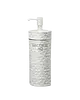
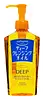
This oil-based makeup remover is made to dissolve makeup, sunscreen, and daily buildup.
This oil-based makeup remover is made to dissolve makeup, sunscreen, and daily buildup.

What's inside
What's inside
 Key Ingredients
Benefits
Concerns
Ingredients Side-by-side
Oryza Sativa Bran Oil
Emollient





Triethylhexanoin
MaskingParaffinum Liquidum
Emollient

Sorbeth-30 Tetraoleate
Emulsifying
PEG-8 Glyceryl Isostearate
Emollient
Propylene Glycol Dicaprate
EmollientGlyceryl Behenate/Eicosadioate
Emollient
Lithospermum Erythrorhizon Root Extract
Skin ConditioningOlea Europaea Fruit Oil
Masking


Panax Ginseng Root Extract
Emollient
Royal Jelly Extract
Skin Conditioning
Salvia Officinalis Oil
Masking
Tocopherol
Antioxidant





BHT
Antioxidant
Squalane
Emollient
Phenoxyethanol
Preservative
Parfum
Masking
Oryza Sativa Bran Oil, Triethylhexanoin, Paraffinum Liquidum, Sorbeth-30 Tetraoleate, PEG-8 Glyceryl Isostearate, Propylene Glycol Dicaprate, Glyceryl Behenate/Eicosadioate, Lithospermum Erythrorhizon Root Extract, Olea Europaea Fruit Oil, Panax Ginseng Root Extract, Royal Jelly Extract, Salvia Officinalis Oil, Tocopherol, BHT, Squalane, Phenoxyethanol, Parfum
Paraffinum Liquidum
Emollient
Oryza Sativa Bran Oil
Emollient
Sorbeth-30 Tetraoleate
Emulsifying
Cyclomethicone
Emollient
Olea Europaea Fruit Oil
Masking
Citrus Aurantium Dulcis Oil
Masking
Sesamum Indicum Seed Oil
Emollient
Carthamus Tinctorius Seed Oil
Masking
Butyrospermum Parkii Butter
Skin Conditioning
Tocopherol
Antioxidant
Adansonia Digitata Seed Oil
Emollient
Ascorbyl Palmitate
Antioxidant
Vitis Vinifera Seed Oil
Emollient
Simmondsia Chinensis Seed Oil
Emollient
BHT
Antioxidant
Cetyl Ethylhexanoate
EmollientGlycerin
Humectant
Bis-Ethoxydiglycol Cyclohexane 1,4-Dicarboxylate
EmollientPropylene Glycol Dicaprate
EmollientSqualane
Emollient
Zea Mays Oil
Emulsifying
Trilaureth-4 Phosphate
EmulsifyingIsopropyl Myristate
Emollient
Water
Skin ConditioningPhenoxyethanol
Preservative
Paraffinum Liquidum, Oryza Sativa Bran Oil, Sorbeth-30 Tetraoleate, Cyclomethicone, Olea Europaea Fruit Oil, Citrus Aurantium Dulcis Oil, Sesamum Indicum Seed Oil, Carthamus Tinctorius Seed Oil, Butyrospermum Parkii Butter, Tocopherol, Adansonia Digitata Seed Oil, Ascorbyl Palmitate, Vitis Vinifera Seed Oil, Simmondsia Chinensis Seed Oil, BHT, Cetyl Ethylhexanoate, Glycerin, Bis-Ethoxydiglycol Cyclohexane 1,4-Dicarboxylate, Propylene Glycol Dicaprate, Squalane, Zea Mays Oil, Trilaureth-4 Phosphate, Isopropyl Myristate, Water, Phenoxyethanol
Reviews
Ingredients Explained
These ingredients are found in both products.
Ingredients higher up in an ingredient list are typically present in a larger amount.
BHT is a synthetic antioxidant and preservative.
As an antioxidant, it helps your body fight off free-radicals. Free-radicals are molecules that may damage your skin cells.
As a preservative, it is used to stabilize products and prevent them from degrading. Specifically, BHT prevents degradation from oxidation.
The concerns related to BHT come from oral studies; this ingredient is currently allowed for use by both the FDA and EU.
However, it was recently restricted for use in the UK as of April 2024.
Learn more about BHTThis ingredient is also known as olive oil. It has been used in skincare for centuries and science largely backs up its reputation as a nourishing emollient.
The main components of olive oil are oleic acid (55-83%), linoleic acid (3.5-20%), and palmitic acid (7-20%). Oleic acid promotes skin regeneration and helps regulate inflammatory responses.
Squalene is also naturally present in olive oil and exhibits moisturizing and antioxidant properties.
The polyphenols in olive oil also show anti-aging promise; one clinical study found a measurable improvement in skin appearance after 30 days of topical serum use.
Just be aware that applying olive oil directly to skin can weaken the barrier and cause redness. One study with volunteers found even people without sensitive skin experienced a significant reduction in stratum corneum integrity and induced mild erythema.
It's best to use this ingredient as part of a carefully crafted formula (instead of putting it on skin directly from the bottle).
Because it has a 0-2 on the comedogenic scale, it is low risk for acne-prone skin. Just remember the overall formulation of a product matters more than a few ingredients with comedogenic ratings.
This ingredient may not be fungal acne safe because of the oleic and palmitic acid content. These fall within the C11-24 fatty acid range that the Malassezia yeast can metabolize to grow.
Overall, olive oil is a well-studied and nourishing skincare ingredient.
Learn more about Olea Europaea Fruit OilThis oil comes from the outer layer (bran) of rice grains. It is packed with skin-friendly fatty acids to soften and condition the skin while supporting your moisture barrier.
What makes it stand out from other plant oils is its naturally high concentration of gamma-oryzanol, a potent antioxidant. This antioxidant has shown some UV-absorptive properties in research.
Other antioxidants found in this oil include tocopherols, tocotrienols, and ferulic acid.
According to manufacturers, this oil has a lightweight texture that absorbs nicely.
The CIR (Cosmetic Ingredient Review) has concluded this ingredient to be safe as used in cosmetics and it has not shown to be a skin sensitizer in testing (unless you have a known rice allergy).
Due to the fatty acids (primarily Oleic Acid ~40%, Linoleic Acid ~30%, and some Palmitic Acid), this ingredient may not be fungal acne safe.
Learn more about Oryza Sativa Bran OilParaffinum Liquidum is a highly-refined cosmetic-grade mineral oil. It is also known as liquid paraffin.
Despite its controversial reputation, the science is pretty clear: it's one of the most well-studied and effective moisturizing ingredients out there.
As an occlusive, it forms a protective layer on the skin that locks in moisture and prevents transepidermal water loss (TEWL). This makes it especially great for compromised skin barriers.
The "it clogs your pores" myth has been around for decades; a study found that industrial-grade mineral oil may be comedogenic but cosmetic-grade mineral oil is not (these two are very, very different).
A 2017 review concluded that cosmetic use of mineral oils and waxes does not present a risk to consumers due to absorption.
Mineral oil got a bad rap from the old rabbit ear studies. When tested on actual human skin, cosmetic-grade mineral oil showed no comedogenic activity. The rating of 0 is a correction of outdated science.
Mineral oil is an inert substance with no fatty acids so there's nothing to feed Malassezia. This ingredient is fungal acne safe.
Learn more about Paraffinum LiquidumPhenoxyethanol is one of the most widely used preservatives in skincare (and for good reason!).
It has a large spectrum of antimicrobial activity and especially effective bacteria, yeast, and mold while only having a weak effect on your skin's natural microbiome.
On a cellular level, it disrupts the cell membranes of microbes by poking holes that make the cell leak. This shuts down the chemical reactions the microbe needs to make energy so it can no longer survive.
Another perk of this ingredient is that it stays functional across a wide pH range (3-10).
You'll often see it paired with boosters like Ethylhexylglycerin; one study showed that a 1:9 ratio of Ethylhexylglycerin to Phenoxyethanol damages bacterial membranes as effectively as doubling the Phenoxyethanol concentration on its own.
Typical use concentrations range from 0.3-1% depending on the formula, and this ingredient is capped at 1% int the EU.
Safety-wise, the fear mongering does not hold up to the evidence. The EU's Scientific Committee on Consumer Safety and FDA consider it safe as a preservative at up to 1%, including for children of all ages.
Adverse systemic effects only showed up in animal studies at exposures roughly 200x higher than what people get from cosmetics. And despite its very widespread use, this ingredient is a rare sensitizer and allergic reactions are uncommon.
Learn more about PhenoxyethanolPropylene Glycol Dicaprate is an emollient and emulsifier. It is created from a mixture of fatty acids.
Sorbeth-30 Tetraoleate is a surfactant and emulsifier.
This ingredient is a tetraester from oleic acid and polyethylene glycol ether of sorbitol.
As an emulsifier, it helps ingredients such as oil and water mix together. This allows the dirt and oils in your skin to be washed away.
One study found pumpkin oil containing Sorbeth-30 Tetraoleate helped hydrate the skin and did not cause any irritation.
Learn more about Sorbeth-30 TetraoleateSqualane is the hydrogenated and shelf-stable form of squalene (a lipid that naturally occurs in human sebum).
It is an emollient and skin conditioning agent that is able to integrate seamlessly into the skin's lipid barrier without clogging pores.
This is due to how structurally similar it is to what your skin already produces.
Though it is mostly an emollient that helps soften and hydrate skin, it also has some humectant and occlusive action. Humectants help the skin retain moisture while occlusives seal it in, making squalane a triple-threat moisturizer.
Research shows it has antioxidant capabilities that help protect against stressors like UV exposure, specifically UVA induced oxidative stress. This study also found that it supports collagen biosynthesis in human dermal fibroblasts.
No clinical study has reported significant adverse effects and irritation reactions are very rare from this ingredient (even at 100% concentration).
Overall, it's a fantastic ingredient for hydration and is suitable for all skin types.
This depends on the source. Squalane can be derived from both plants and animals. Most squalane used in skincare comes from plants.
Please note: the source of squalane is only known if disclosed by the brand. We recommend reaching out to the brand if you have any questions about their squalane.
Read more about squalene with an "e".
Though squalane is often called an oil, it’s technically not one. It is a hydrocarbon, meaning it is only made of carbon and hydrogen. True oils are triglycerides and made of fatty acids and glycerol.
The term “oil-free” isn’t regulated so companies can define it however they want. Some exclude all oils, while others just avoid mineral oil or comedogenic oils.
Squalane has a comedogenic rating of 1 from the original 1972 study that tested raw ingredients under occlusion on rabbit ears. This system is not standardized or peer-reviewed, and using the raw ingredients is very different from how diluted cosmetic formulations are used on human skin.
A comedogenic rating of 1 means it is "unlikely to clog pores" according to the original rating system.
The overall formula of a product matters more than the individual ingredients on whether or not it will cause clogged pores.
Learn more about SqualaneTocopherol is a fat-soluble antioxidant known as Vitamin E.
You'll find this ingredient in the vast majority of skincare (for good reason). It works to neutralize free radicals, or unstable molecules generated by UV exposure, pollution, and other environmental stressors, before they can cause oxidative damage to your skin cells.
Topically applied tocopherol has been shown to protect against UV damage by ramping up the skin's own natural defense enzymes.
It also acts as a skin conditioning agent; some studies show that regular topical use can improve the skin's water-binding capacity over 2-4 weeks.
This ingredient is especially loved for being a team player. When combined with Vitamin C, the photoprotective effect of both ingredients roughly doubles and the combo also helps reduce UV-induced DNA damage.
This ingredient has some brightening potential but it's more of a prevention ingredient than spot-fader. Cell studies show it can slow down melanin production but it's worth noting that it's not the most powerful brightener out there.
In formulations, it also serves as a stabilizer that helps protect other oxidation-prone ingredients from degrading.
Concentrations usually range from 0.1-1% in most leave-on products.
Learn more about Tocopherol

