This oil-based makeup remover is made to dissolve makeup, sunscreen, and daily buildup.
This oil-based makeup remover is made to dissolve makeup, sunscreen, and daily buildup.

What's inside
What's inside
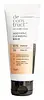 Key Ingredients
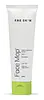
Benefits
Concerns
Ingredients Side-by-side
Caprylic/Capric Triglyceride
Masking


PEG-20 Glyceryl Triisostearate
Emollient

Helianthus Annuus Seed Oil
Emollient
Mangifera Indica Seed Butter
Skin Conditioning
Cetearyl Olivate
Sorbitan Olivate
Emulsifying
Oryza Sativa Bran Oil
Emollient

PEG-8 C12-18 Alkyl Ester
EmulsifyingOlive Oil PEG-7 Esters
Emollient

Copernicia Cerifera Wax
Glyceryl Caprylate
EmollientGlyceryl Undecylenate
Emollient
Avena Sativa Kernel Oil
Skin Conditioning
Tocopheryl Acetate
Antioxidant


Bisabolol
Antioxidant
BHT
Antioxidant
Caprylic/Capric Triglyceride, PEG-20 Glyceryl Triisostearate, Helianthus Annuus Seed Oil, Mangifera Indica Seed Butter, Cetearyl Olivate, Sorbitan Olivate, Oryza Sativa Bran Oil, PEG-8 C12-18 Alkyl Ester, Olive Oil PEG-7 Esters, Copernicia Cerifera Wax, Glyceryl Caprylate, Glyceryl Undecylenate, Avena Sativa Kernel Oil, Tocopheryl Acetate, Bisabolol, BHT
Ethylhexyl Palmitate
Emollient
Hydrogenated Ethylhexyl Olivate
EmollientHydrogenated Olive Oil Unsaponifiables
Emollient
PEG-20 Glyceryl Triisostearate
Emollient
Cyclopentasiloxane
Emollient
Water
Skin ConditioningHydrogenated Microcrystalline Cera
Cera Microcristallina
Emulsion StabilisingGlyceryl Stearate
Emollient
PEG-100 Stearate
Surfactant
Cetearyl Alcohol
Emollient
Lactic Acid
Buffering






Glycolic Acid
Buffering

Vaccinium Myrtillus Fruit Extract
Skin ConditioningSaccharum Officinarum Extract
MoisturisingCitric Acid
Buffering
Citrus Aurantium Dulcis Fruit Extract
MaskingCitrus Limon Fruit Extract
Masking
Acer Saccharum Extract
Skin ConditioningTartaric Acid
Buffering
Malic Acid
Buffering
Glyceryl Caprylate
EmollientGlyceryl Undecylenate
Emollient
Tocopherol
Antioxidant
Ethylhexyl Palmitate, Hydrogenated Ethylhexyl Olivate, Hydrogenated Olive Oil Unsaponifiables, PEG-20 Glyceryl Triisostearate, Cyclopentasiloxane, Water, Hydrogenated Microcrystalline Cera, Cera Microcristallina, Glyceryl Stearate, PEG-100 Stearate, Cetearyl Alcohol, Lactic Acid, Glycolic Acid, Vaccinium Myrtillus Fruit Extract, Saccharum Officinarum Extract, Citric Acid, Citrus Aurantium Dulcis Fruit Extract, Citrus Limon Fruit Extract, Acer Saccharum Extract, Tartaric Acid, Malic Acid, Glyceryl Caprylate, Glyceryl Undecylenate, Tocopherol
Reviews
Ingredients Explained
These ingredients are found in both products.
Ingredients higher up in an ingredient list are typically present in a larger amount.
Glyceryl Caprylate comes from glycerin and caprylic acid. It is an emollient, co-emulsifier, and preservative booster.
Its short C8 fatty acid chain makes it behave differently from its longer-chain emollient cousins like Glyceryl Stearate. It feels more lightweight, fast-absorbing, and silky instead of rich and waxy.
As a co-emulsifier, its "head" and "tail" sit at the oil-water interface. But overall, the short C8 tail and not being water soluble means it doesn't really have the muscle to emulsify a formula on its own. That's why you'll often see it paired with a primary emulsifier like Cetearyl Glucoside.
Interestingly, Glyceryl Caprylate acts as a preservative booster. This is because its fatty-acid backbone disrupts microbial lipid membranes. It shows excellent activity against bacteria and yeast but is weaker against mold.
Typical concentrations range from 0.5-1% and this ingredient is generally non-irritating.
Because this ingredient has a C8 fatty acid chain, it is outside the range that the Malassezia yeast metabolizes (making it fungal acne safe).
Learn more about Glyceryl CaprylateGlyceryl Undecylenate is a gentle ester made by joining glycerin and undecylenic acid (a fatty acid pulled from castor oil).
In formulations, it pulls double duty as a skin-conditioning emollient and mild preservative.
The glycerin side attracts and binds water to support skin hydration and the undeclyenic acid side adds a bit of broad-spectrum antimicrobial activity.
Undecylenic acid inhibits the formation of fungal biofilm and the branching filaments that let fungi spread.
Typical use concentrations range from 0.1-5%, but it is generally used on the lower end and paired with other mild preservative boosters like caprylyl glycol.
On the fungal acne front:
This ingredient is described in the patent literature as a Malassezia-active ingredient used to treat an excess of Malassezia on the skin (Malassezia is actually a yeast and not fungal).
Though it leans anti-fungal, the leftover Malassezia yeast may feed on the Undecylenic Acid portion of this ingredient. Just know this ingredient may not be a trigger for everyone.
Learn more about Glyceryl UndecylenatePEG-20 Glyceryl Triisostearate is a synthetic, oil-loving helper ingredient that does two jobs:
This ingredient is made by joining three building blocks: PEG, Isostearic Acid and glycerin. The PEG gives it the oil-and-water blending power.
This ingredient has been found safe for use in cosmetics and broader PEG family testing shows minimal irritation/sensitization. The molecule's large size also means it isn't expected to penetrate skin to any meaningful degree.
Fungal acne note: This ingredient may not be fungal acne safe due to isostearic acid (C18). Isostearic acid falls into the C11-24 range that Malassezia can feed on.
Learn more about PEG-20 Glyceryl Triisostearate

