
What's inside
What's inside
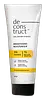 Key Ingredients
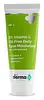
Benefits
Concerns
Ingredients Side-by-side
Water
Skin ConditioningHydrogenated Olive Oil Unsaponifiables
Emollient

Hydrogenated Ethylhexyl Olivate
EmollientDibutyl Adipate
EmollientNiacinamide
Smoothing











3-O-Ethyl Ascorbic Acid
Skin Conditioning
Polyacrylate-13
Polyisobutene
Polysorbate 20
Emulsifying
Glycerin
Humectant
Diheptyl Succinate
EmollientCapryloyl Glycerin/Sebacic Acid Copolymer
Skin ConditioningKojic Dipalmitate
Emollient
Phenoxyethanol
Preservative
Ethylhexylglycerin
Skin ConditioningC10-18 Triglycerides
Emollient
Sodium Acrylate/Sodium Acryloyldimethyl Taurate Copolymer
Emulsion StabilisingIsohexadecane
EmollientPolysorbate 80
Emulsifying
Citrus Junos Seed Extract
Antioxidant
Lactobacillus Ferment
Skin Conditioning
Scutellaria Baicalensis Root Extract
Astringent
Lactic Acid
Buffering


Tocopherol
Antioxidant
Sodium Gluconate
Skin ConditioningWater, Hydrogenated Olive Oil Unsaponifiables, Hydrogenated Ethylhexyl Olivate, Dibutyl Adipate, Niacinamide, 3-O-Ethyl Ascorbic Acid, Polyacrylate-13, Polyisobutene, Polysorbate 20, Glycerin, Diheptyl Succinate, Capryloyl Glycerin/Sebacic Acid Copolymer, Kojic Dipalmitate, Phenoxyethanol, Ethylhexylglycerin, C10-18 Triglycerides, Sodium Acrylate/Sodium Acryloyldimethyl Taurate Copolymer, Isohexadecane, Polysorbate 80, Citrus Junos Seed Extract, Lactobacillus Ferment, Scutellaria Baicalensis Root Extract, Lactic Acid, Tocopherol, Sodium Gluconate
Water
Skin Conditioning3-O-Ethyl Ascorbic Acid
Skin Conditioning
Glycerin
Humectant
Isodecyl Neopentanoate
EmollientCetearyl Olivate
Sorbitan Olivate
Emulsifying
Propanediol
Solvent
Dicaprylyl Carbonate
EmollientC15-19 Alkane
SolventCetyl Alcohol
Emollient

Polyacrylate Crosspolymer-11
Emulsion StabilisingXylitol
Humectant
Phenoxyethanol
Preservative
Ethylhexylglycerin
Skin ConditioningSaccharide Isomerate
Humectant
Citric Acid
Buffering
Sodium Citrate
BufferingBetaine
Humectant
Disodium EDTA
EDTA
Water, 3-O-Ethyl Ascorbic Acid, Glycerin, Isodecyl Neopentanoate, Cetearyl Olivate, Sorbitan Olivate, Propanediol, Dicaprylyl Carbonate, C15-19 Alkane, Cetyl Alcohol, Polyacrylate Crosspolymer-11, Xylitol, Phenoxyethanol, Ethylhexylglycerin, Saccharide Isomerate, Citric Acid, Sodium Citrate, Betaine, Disodium EDTA, EDTA
Ingredients Explained
These ingredients are found in both products.
Ingredients higher up in an ingredient list are typically present in a larger amount.
You might know this ingredient as Ethyl Ascorbic Acid, a more stable version of ascorbic acid.
Like other types of vitamin C, this ingredient has many benefits including reducing wrinkles, skin soothing, dark spot fading, and fighting against free radicals.
3-O-Ethyl Ascorbic Acid interferes with the process of skin darkening, helping to reduce hyperpigmentation. It also encourages the skin to produce more collagen.
Once applied, 3-O-Ethyl Ascorbic Acid is converted to Vitamin C deeper in the skin's layers. This process is slow but makes this ingredient more tolerable for skin.
The optimum pH range for this ingredient is 4 - 5.5
Learn more about 3-O-Ethyl Ascorbic AcidEthylhexylglycerin is created from glycerin. It is a multitasker ingredient that:
The CIR Expert Panel found minimal skin absorption or sensitization of any kind in a safety assessment. Though this ingredient is considered well-tolerated, a small number of cases of allergic dermatitis have been published since 2002. Just be sure to patch test if you are unsure.
Industry-reported use ranges from 8% in rinse-off products and 2% in leave-on formulations.
Learn more about EthylhexylglycerinGlycerin (or glycerol) is a compound naturally found in your skin. It's a powerhouse humectant that pulls water into the stratum corneum.
Topically, glycerin does several things at once:
Your skin makes glycerin on its own (mostly from sebaceous oil breakdown) and shuttles it to your outermost layer of skin, or your epidermis, via aquaporin-3.
Aquaporin-3 is a transporter that is essential for normal skin hydration, elasticity, and repair. Interestingly, mice lacking in AQP3 have dry and less elastic skin that can be fully corrected with glycerin.
This ingredient is non-irritating, plays well with almost every ingredient, and works across all skin types. Typical use is anywhere between 3-10% but can go up to 79% in some leave-on products.
Just know very high concentrations (>40%) can feel tacky in low humidity.
Glycerin is the name for this ingredient in American English. British English uses Glycerol/Glycerine.
Learn more about GlycerinPhenoxyethanol is a preservative that has germicide, antimicrobial, and aromatic properties. Studies show that phenoxyethanol can prevent microbial growth. By itself, it has a scent that is similar to that of a rose.
It's often used in formulations along with Caprylyl Glycol to preserve the shelf life of products.
Water. It's the most common cosmetic ingredient of all. You'll usually see it at the top of ingredient lists, meaning that it makes up the largest part of the product.
So why is it so popular? Water most often acts as a solvent - this means that it helps dissolve other ingredients into the formulation.
You'll also recognize water as that liquid we all need to stay alive. If you see this, drink a glass of water. Remember to stay hydrated!
Learn more about Water
