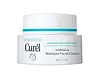
This barrier-repair moisturizer is formulated around Allantoin to strengthen the skin barrier and hydrate skin.
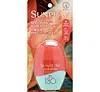
This hybrid sunscreen covers the full UV range and blocks ~99% of UVB at SPF 130.

What's inside
What's inside
 Key Ingredients
Benefits
Concerns
Ingredients Side-by-side
Water
Skin ConditioningGlycerin
Humectant


Cetyl-Pg Hydroxyethyl Palmitamide
Skin ConditioningTrisiloxane
Skin Conditioning
Dimethicone
Emollient
Hydrogenated Polydecene
EmollientPEG-3 Dimethicone
Skin Conditioning
Allantoin
Skin Conditioning

Magnesium Sulfate
Butylene Glycol
Humectant
Isostearyl Glyceryl Ether
Skin ConditioningPEG-12 Dimethicone
Skin Conditioning
Succinic Acid
BufferingSodium Hydroxide
BufferingEucalyptus Globulus Leaf Extract
Perfuming
Tocopherol
Antioxidant




Methylparaben
Preservative



Water, Glycerin, Cetyl-Pg Hydroxyethyl Palmitamide, Trisiloxane, Dimethicone, Hydrogenated Polydecene, PEG-3 Dimethicone, Allantoin, Magnesium Sulfate, Butylene Glycol, Isostearyl Glyceryl Ether, PEG-12 Dimethicone, Succinic Acid, Sodium Hydroxide, Eucalyptus Globulus Leaf Extract, Tocopherol, Methylparaben
Water
Skin ConditioningCyclopentasiloxane
Emollient
Zinc Oxide
Cosmetic Colorant

Ethylhexyl Methoxycinnamate
UV Absorber
Dimethicone
Emollient
Isononyl Isononanoate
EmollientAlcohol
Antimicrobial


Triethylhexanoin
MaskingEthylhexyl Salicylate
UV Absorber
Polymethylsilsesquioxane
Titanium Dioxide
Cosmetic Colorant
Diethylamino Hydroxybenzoyl Hexyl Benzoate
UV Filter
Butylene Glycol
Humectant
Cetyl PEG/PPG-10/1 Dimethicone
Emulsifying
Polysilicone-15
UV Filter
Silica
Abrasive

PEG-10 Dimethicone
Skin Conditioning
Ethylhexyl Triazone
UV Absorber
Trimethylsiloxysilicate
Emollient
Triethoxycaprylylsilane
Polyhydroxystearic Acid
Emulsifying
Bis-Ethylhexyloxyphenol Methoxyphenyl Triazine
UV Absorber
Tocopheryl Acetate
Antioxidant
Methylparaben
Preservative
Disodium EDTA
Aloe Barbadensis Leaf Juice
Skin Conditioning
Propylene Glycol
Humectant
Caprylic/Capric Triglyceride
Masking
Sodium Hyaluronate
Humectant
Ectoin
Skin Conditioning
Laminaria Ochroleuca Extract
Skin Conditioning
Water, Cyclopentasiloxane, Zinc Oxide, Ethylhexyl Methoxycinnamate, Dimethicone, Isononyl Isononanoate, Alcohol, Triethylhexanoin, Ethylhexyl Salicylate, Polymethylsilsesquioxane, Titanium Dioxide, Diethylamino Hydroxybenzoyl Hexyl Benzoate, Butylene Glycol, Cetyl PEG/PPG-10/1 Dimethicone, Polysilicone-15, Silica, PEG-10 Dimethicone, Ethylhexyl Triazone, Trimethylsiloxysilicate, Triethoxycaprylylsilane, Polyhydroxystearic Acid, Bis-Ethylhexyloxyphenol Methoxyphenyl Triazine, Tocopheryl Acetate, Methylparaben, Disodium EDTA, Aloe Barbadensis Leaf Juice, Propylene Glycol, Caprylic/Capric Triglyceride, Sodium Hyaluronate, Ectoin, Laminaria Ochroleuca Extract
Reviews
Ingredients Explained
These ingredients are found in both products.
Ingredients higher up in an ingredient list are typically present in a larger amount.
Butylene Glycol (or BG) is used within cosmetic products for a few different reasons:
Overall, Butylene Glycol is a safe and well-rounded ingredient that works well with other ingredients.
Though this ingredient works well with most skin types, some people with sensitive skin may experience a reaction such as allergic rashes, closed comedones, or itchiness.
Learn more about Butylene GlycolDimethicone is a type of synthetic silicone created from natural materials such as quartz. It is also known as polydimethylsiloxane.
What it does:
Dimethicone comes in different viscosities:
Depending on the viscosity, dimethicone has different properties.
Ingredients lists don't always show which type is used, so we recommend reaching out to the brand if you have questions about the viscosity.
This ingredient is unlikely to cause irritation because it does not get absorbed into skin. However, people with silicone allergies should be careful about using this ingredient.
Note: Dimethicone may contribute to pilling. This is because it is not oil or water soluble, so pilling may occur when layered with products. When mixed with heavy oils in a formula, the outcome is also quite greasy.
Learn more about DimethiconeMethylparaben is a synthetic preservative and one of the most widely used in the world. It has a simple, but important job: prevent your products from going bad by stopping bacteria, yeast, and mold from growing.
Typical use levels are low, often 0.1-0.3%.
This is also one of the most heavily studied preservatives out there and major regulatory bodies have repeatedly given it the green light.
In 2023, the EU's Scientific Committee on Consumer Safety (SCCS) confirmed that this ingredient is safe up to 0.4% on its own, of up to 0.8% when mixed with other paraben esters.
Here's the science behind the noise behind parabens/hormones as well:
Methylparaben shows very weak estrogen-like activity in vitro tests (more than 1,000x weaker than your body's own estradiol). In vivo (live-organism) studies don't support a meaningful endocrine-disrupting effect either.
You get a stronger estrogenic effect from eating tofu, actually.
It's also a low sensitizer and allergic reactions are uncommon; they usually happen on damage or broken skin.
There is a caveat: France has proposed to formally re-examine its endocrine classification in 2025 so the regulatory conversation isn't fully closed as of yet.
But as it stands today, this ingredient is considered safe at permitted levels.
Learn more about MethylparabenWater. It's the most common cosmetic ingredient of all. You'll usually see it at the top of ingredient lists, meaning that it makes up the largest part of the product.
So why is it so popular? Water most often acts as a solvent - this means that it helps dissolve other ingredients into the formulation.
You'll also recognize water as that liquid we all need to stay alive. If you see this, drink a glass of water. Remember to stay hydrated!
Learn more about Water