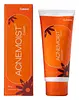
This barrier-repair moisturizer is formulated around Saccharide Isomerate and Biosaccharide Gum-1 to strengthen the skin barrier and hydrate skin.
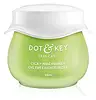
This calming moisturizer is formulated around Niacinamide and Centella Asiatica Extract to calm redness and balance excess oil.

What's inside
What's inside
 Key Ingredients
No key ingredients
Benefits
Concerns
Ingredients Side-by-side
Water
Skin ConditioningEthylhexyl Methoxycinnamate
UV Absorber


Methylene Bis-Benzotriazolyl Tetramethylbutylphenol
UV Filter
Isononyl Isononanoate
EmollientJojoba Oil PEG-8 Esters
Skin Conditioning
Cyclopentasiloxane
Emollient
Hydroxyethyl Urea
Humectant
Steareth-2
EmulsifyingSaccharide Isomerate
Humectant

Laureth-23
Cleansing

Biosaccharide Gum-1
Humectant
Ceteareth-20
Cleansing
Phenoxyethanol
Preservative
Ethylhexylglycerin
Skin ConditioningAcrylates/C10-30 Alkyl Acrylate Crosspolymer
Emulsion StabilisingTriethanolamine
BufferingDimethicone Crosspolymer
Emulsion Stabilising
Disodium EDTA
ChelatingSodium Lauryl Sulfate
Cleansing


Parfum
Masking

Water, Ethylhexyl Methoxycinnamate, Methylene Bis-Benzotriazolyl Tetramethylbutylphenol, Isononyl Isononanoate, Jojoba Oil PEG-8 Esters, Cyclopentasiloxane, Hydroxyethyl Urea, Steareth-2, Saccharide Isomerate, Laureth-23, Biosaccharide Gum-1, Ceteareth-20, Phenoxyethanol, Ethylhexylglycerin, Acrylates/C10-30 Alkyl Acrylate Crosspolymer, Triethanolamine, Dimethicone Crosspolymer, Disodium EDTA, Sodium Lauryl Sulfate, Parfum
Water
Skin ConditioningCyclopentasiloxane
Emollient
Dimethicone Crosspolymer
Emulsion Stabilising
Glycerin
Humectant
Polyacrylamide
C13-14 Isoparaffin
Emollient
Laureth-7
EmulsifyingNiacinamide
Smoothing








Divinyldimethicone/Dimethicone Copolymer
C12-13 Pareth-23
CleansingC12-13 Pareth-3
EmulsifyingSaccharide Isomerate
Humectant
Silanetriol
Hyaluronic Acid
Humectant
Benzyl Alcohol
Perfuming

Ethylhexylglycerin
Skin ConditioningTocopherol
Antioxidant

Methylsilanol Mannuronate
Skin ConditioningAcrylates/C10-30 Alkyl Acrylate Crosspolymer
Emulsion StabilisingTocopheryl Acetate
Antioxidant
Allantoin
Skin Conditioning
Sodium Hydroxide
BufferingDisodium EDTA
ChelatingLaminaria Digitata Extract
Skin Protecting
Cetyl-Pg Hydroxyethyl Palmitamide
Skin ConditioningCeramide EOP
Skin Conditioning
Ceramide Ns
Skin Conditioning
Ceramide NP
Skin Conditioning
Ceramide As
Skin Conditioning
Ceramide AP
Skin Conditioning
Centella Asiatica Extract
Cleansing
Avena Sativa Meal Extract
SoothingAloe Barbadensis Leaf Juice Powder
Skin Conditioning
Camellia Sinensis Leaf Extract
Antimicrobial
Water, Cyclopentasiloxane, Dimethicone Crosspolymer, Glycerin, Polyacrylamide, C13-14 Isoparaffin, Laureth-7, Niacinamide, Divinyldimethicone/Dimethicone Copolymer, C12-13 Pareth-23, C12-13 Pareth-3, Saccharide Isomerate, Silanetriol, Hyaluronic Acid, Benzyl Alcohol, Ethylhexylglycerin, Tocopherol, Methylsilanol Mannuronate, Acrylates/C10-30 Alkyl Acrylate Crosspolymer, Tocopheryl Acetate, Allantoin, Sodium Hydroxide, Disodium EDTA, Laminaria Digitata Extract, Cetyl-Pg Hydroxyethyl Palmitamide, Ceramide EOP, Ceramide Ns, Ceramide NP, Ceramide As, Ceramide AP, Centella Asiatica Extract, Avena Sativa Meal Extract, Aloe Barbadensis Leaf Juice Powder, Camellia Sinensis Leaf Extract
Reviews
Ingredients Explained
These ingredients are found in both products.
Ingredients higher up in an ingredient list are typically present in a larger amount.
Acrylates/C10-30 Alkyl Acrylate Crosspolymer is a synthetic polymer. It is used to thicken, emulsify, and improve the texture of products.
As an emulsifier, it helps stabilize oil-in-water emulsions to give products an elegant feel when applied.
It can also form a thin protective film on skin. One study found that a formula using this polymer helped slow down how quickly other ingredients (like DEET) were absorbed through skin.
A 2024 study of over 1,300 patients confirmed that sensitization to this ingredient is rare. It is also non-mutagenic and has a clean track record.
Learn more about Acrylates/C10-30 Alkyl Acrylate CrosspolymerCyclopentasiloxane (D5) is a lightweight silicone that mostly acts as an emollient and solvent in cosmetics. Its the reason your products feel silky, fast-spreading, and non-greasy.
Since D5 is volatile, it does its thing and then evaporates off the skin quickly.
The safety profile of this ingredient is reassuring; the US CIR Expert Panel concluded D5 is safe as used in cosmetics and Health Canada concluded that D5 is not harmful to human health or the environment as currently used in cosmetics
There's a study that people mention about D5 in a rat study showing tumors. This study is related to long-term inhalation of high D5 levels.
Regulatory bodies have judged this study to be not applicable in topical skincare since skin absorption of D5 is very low and we're not really inhaling huge amounts of D5.
The only restriction for this ingredient is environmental. The European Chemicals Agency (ECHA) restricted D5 in wash-off cosmetics at or above 0.1% due to their persistence in water.
Learn more about CyclopentasiloxaneDimethicone Crosspolymer is a silicone created by modifying dimethicone with hydrocarbon side chains. Due to its large size, it does not penetrate skin. It is considered non-occlusive.
Dimethicone Crosspolymer is used to stabilize and thicken products. It also helps give products a silky feel.
Disodium EDTA is a chelating agent. It grabs onto and deactivates metal ions that sneak into your products from water, packaging, or air.
This ingredient mainly works behind the scenes and helps with:
On top of that, this ingredient can counteract the effects of hard water by binding to the minerals in it.
One thing worth knowing is that Disodium EDTA has been shown to be a mild penetration enhancer. It can help other ingredients absorb into skin more effectively which can be a double-edged sword (great for actives, but can also make the active too strong if you have sensitive skin).
Clinical patch testing showed no significant skin irritation at typical use concentrations and minimal dermal absorption.
You'll most likely see this ingredient near the end of an ingredient list. It's typically found in concentrations less than 1%.
Learn more about Disodium EDTAEthylhexylglycerin is created from glycerin. It is a multitasker ingredient that:
The CIR Expert Panel found minimal skin absorption or sensitization of any kind in a safety assessment. Though this ingredient is considered well-tolerated, a small number of cases of allergic dermatitis have been published since 2002. Just be sure to patch test if you are unsure.
Industry-reported use ranges from 8% in rinse-off products and 2% in leave-on formulations.
Learn more about EthylhexylglycerinSaccharide Isomerate comes from sugars found in corn. It is a skin hydrator.
The structure of this ingredient can be altered to be more similar to the carbohydrates found in our skin. This ability to mimic our skin gives it hydrating properties.
Specifically, saccharide Isomerate is a humectant. Humectants draw moisture from the air to our skin.
Research shows Saccharide Isomerate to be an effective moisturizer.
Learn more about Saccharide IsomerateWater. It's the most common cosmetic ingredient of all. You'll usually see it at the top of ingredient lists, meaning that it makes up the largest part of the product.
So why is it so popular? Water most often acts as a solvent - this means that it helps dissolve other ingredients into the formulation.
You'll also recognize water as that liquid we all need to stay alive. If you see this, drink a glass of water. Remember to stay hydrated!
Learn more about Water

