
What's inside
What's inside
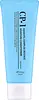 Key Ingredients
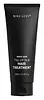
Benefits
Concerns
Ingredients Side-by-side
Water
Skin ConditioningCetearyl Alcohol
Emollient






Glycerin
Humectant


Cyclopentasiloxane
Emollient
Dimethicone
Emollient
Distearyldimonium Chloride
Cetrimonium Chloride
Antimicrobial
Glyceryl Stearate
Emollient
Hydroxyethylcellulose
Emulsion StabilisingChlorhexidine Digluconate
Antimicrobial
Adansonia Digitata Seed Oil
Emollient
Argania Spinosa Kernel Oil
Emollient


Tocopheryl Acetate
Antioxidant


Simmondsia Chinensis Seed Oil
Emollient
Butylene Glycol
Humectant
Xylitylglucoside
Humectant
Anhydroxylitol
Humectant
Octyldodecanol
Emollient
Hydrolyzed Collagen
Emollient
Hydrolyzed Keratin
Humectant
Xylitol
Humectant
Hydrolyzed Wheat Protein
Skin ConditioningHydrolyzed Soy Protein
Humectant
Silkworm Cocoon Extract
HumectantMilk Protein Extract
Hydrolyzed Silk
Humectant
Hydrolyzed Rice Protein
Skin ConditioningHydrolyzed Elastin
EmollientGelatin
Hydrogenated Lecithin
Emulsifying
Glucose
Humectant
Avena Sativa Protein Extract
Skin ConditioningGlycine
Buffering
Serine
Masking
Glutamic Acid
Humectant
Ceramide NP
Skin Conditioning

Silk Powder
Skin ConditioningKeratin Amino Acids
Skin ConditioningHydrolyzed Corn Protein
Skin ConditioningAspartic Acid
Masking
Leucine
Skin ConditioningEthyl Hexanediol
SolventFucoidan
Antioxidant
Alanine
Masking
Lysine
Skin ConditioningArginine
Masking
Tyrosine
MaskingPhenylalanine
Masking
Valine
MaskingThreonine
Proline
Skin Conditioning
Isoleucine
Skin ConditioningCaprylyl Glycol
Emollient
Histidine
Humectant
Methionine
Skin ConditioningCysteine
Antioxidant
1,2-Hexanediol
Skin Conditioning
CI 42090
Cosmetic ColorantDisodium EDTA
ChelatingParfum
Masking


Water, Cetearyl Alcohol, Glycerin, Cyclopentasiloxane, Dimethicone, Distearyldimonium Chloride, Cetrimonium Chloride, Glyceryl Stearate, Hydroxyethylcellulose, Chlorhexidine Digluconate, Adansonia Digitata Seed Oil, Argania Spinosa Kernel Oil, Tocopheryl Acetate, Simmondsia Chinensis Seed Oil, Butylene Glycol, Xylitylglucoside, Anhydroxylitol, Octyldodecanol, Hydrolyzed Collagen, Hydrolyzed Keratin, Xylitol, Hydrolyzed Wheat Protein, Hydrolyzed Soy Protein, Silkworm Cocoon Extract, Milk Protein Extract, Hydrolyzed Silk, Hydrolyzed Rice Protein, Hydrolyzed Elastin, Gelatin, Hydrogenated Lecithin, Glucose, Avena Sativa Protein Extract, Glycine, Serine, Glutamic Acid, Ceramide NP, Silk Powder, Keratin Amino Acids, Hydrolyzed Corn Protein, Aspartic Acid, Leucine, Ethyl Hexanediol, Fucoidan, Alanine, Lysine, Arginine, Tyrosine, Phenylalanine, Valine, Threonine, Proline, Isoleucine, Caprylyl Glycol, Histidine, Methionine, Cysteine, 1,2-Hexanediol, CI 42090, Disodium EDTA, Parfum
Water
Skin ConditioningCyclopentasiloxane
Emollient
Propylene Glycol
Humectant
Dimethicone
Emollient
Cetearyl Alcohol
Emollient
Glyceryl Stearate
Emollient
Steartrimonium Chloride
Preservative
Dipropylene Glycol
Humectant1,2-Hexanediol
Skin Conditioning
Hydroxyacetophenone
Antioxidant
Cetrimonium Chloride
Antimicrobial
Hydroxyethylcellulose
Emulsion StabilisingButylene Glycol
Humectant
Silk Amino Acids
HumectantHippophae Rhamnoides Fruit Extract
Skin Conditioning
Parfum
Masking
Ingredients Explained
These ingredients are found in both products.
Ingredients higher up in an ingredient list are typically present in a larger amount.
1,2-Hexanediol is a synthetic liquid and another multi-functional powerhouse.
It is a:
- Humectant, drawing moisture into the skin
- Emollient, helping to soften skin
- Solvent, dispersing and stabilizing formulas
- Preservative booster, enhancing the antimicrobial activity of other preservatives
Butylene Glycol (or BG) is used within cosmetic products for a few different reasons:
Overall, Butylene Glycol is a safe and well-rounded ingredient that works well with other ingredients.
Though this ingredient works well with most skin types, some people with sensitive skin may experience a reaction such as allergic rashes, closed comedones, or itchiness.
Learn more about Butylene GlycolCetearyl alcohol is a waxy mixture of two fatty alcohols: cetyl alcohol and stearyl alcohol. It is an emollient and emulsifier.
Despite having "alcohol" in its name, it has nothing to do with drying solvent alcohols; the FDA also allows "alcohol-free" products to contain fatty alcohols like this ingredient.
It plays several roles in a formula:
Typical use levels for this ingredient sit around 1-10% and the Cosmetic Ingredient Review Expert Panel has affirmed safety at concentrations up to 25% in leave-on products.
Multiple assessments have found it to be non-irritating and non-sensitizing to most people.
However, there have been some cases of allergic contact dermatitis in patients with chronically compromised skin barriers.
Cetearyl alcohol has a comedogenic rating of 2 and irritancy rating of 1. Both of these numbers come from the 1989 study that used rabbit ears; a "2" means mildly comedogenic and a "1" means low irritancy.
Here's the catch: rabbit skin is more sensitive than human skin and throws a lot of false positives. A 1996 reappraisal found that ingredients rated 1-2 in the rabbit ear tests are generally safe for humans.
Remember comedogenic ratings are unable to assess the entire formula of a product or how it will react on your skin. Just be sure to patch test if you are unsure about certain ingredients.
This ingredient is not fungal acne safe. Cetearyl alcohol is a fatty alcohol with chain lengths that fall within the range that Malassezia can metabolize.
A 2019 study has also observed Malassezia growth in the presence of this ingredient, confirming it to be not-fungal acne safe.
Learn more about Cetearyl AlcoholThis ingredient is a preservative, antimicrobial, and emulsifier. It is often used in cosmetics for its ability to cleanse, condition, and reduce static.
Cetrimonium chloride is a quaternary ammonium salt, meaning it has a water-soluble structure.
Cyclopentasiloxane (D5) is a lightweight silicone that mostly acts as an emollient and solvent in cosmetics. Its the reason your products feel silky, fast-spreading, and non-greasy.
Since D5 is volatile, it does its thing and then evaporates off the skin quickly.
The safety profile of this ingredient is reassuring; the US CIR Expert Panel concluded D5 is safe as used in cosmetics and Health Canada concluded that D5 is not harmful to human health or the environment as currently used in cosmetics
There's a study that people mention about D5 in a rat study showing tumors. This study is related to long-term inhalation of high D5 levels.
Regulatory bodies have judged this study to be not applicable in topical skincare since skin absorption of D5 is very low and we're not really inhaling huge amounts of D5.
The only restriction for this ingredient is environmental. The European Chemicals Agency (ECHA) restricted D5 in wash-off cosmetics at or above 0.1% due to their persistence in water.
Learn more about CyclopentasiloxaneDimethicone is a type of synthetic silicone created from natural materials such as quartz. It is also known as polydimethylsiloxane.
What it does:
Dimethicone comes in different viscosities:
Depending on the viscosity, dimethicone has different properties.
Ingredients lists don't always show which type is used, so we recommend reaching out to the brand if you have questions about the viscosity.
This ingredient is unlikely to cause irritation because it does not get absorbed into skin. However, people with silicone allergies should be careful about using this ingredient.
Note: Dimethicone may contribute to pilling. This is because it is not oil or water soluble, so pilling may occur when layered with products. When mixed with heavy oils in a formula, the outcome is also quite greasy.
Learn more about DimethiconeGlyceryl Stearate is made by reacting glycerin with stearic acid (typically sourced from plant oils like palm or coconut). It's an emulsifier, emollient, and mild occlusive.
Emulsifiers help ingredients like oil and water stay mixed so your formula stays nicely blended and uniform in texture.
This ingredient is typically used in concentrations between 1-10%. Studies have found it to be non-sensitizing, non-phototoxic, and non-photoallergenic.
A close cousin of this ingredient is Glyceryl Stearate SE ("self-emulsifying"). This just has a small amount of sodium or potassium stearate added so it can emulsify without a co-emulsifier.
Since this ingredient is an ester of a C18 fatty acid, it may not be fungal acne safe. The Malassezia yeast can potentially metabolize within the C11-C24 range.
Fun fact: The human body also creates Glyceryl Stearate naturally.
Learn more about Glyceryl StearateHydroxyethylcellulose is used to improve the texture of products. It is created from a chemical reaction involving ethylene oxide and alkali-cellulose. Cellulose is a sugar found in plant cell walls and help give plants structure.
This ingredient helps stabilize products by preventing ingredients from separating. It can also help thicken the texture of a product.
This ingredient can also be found in pill medicines to help our bodies digest other ingredients.
Learn more about HydroxyethylcelluloseParfum is a catch-all term for an ingredient or more that is used to give a scent to products.
Also called "fragrance", this ingredient can be a blend of hundreds of chemicals or plant oils. This means every product with "fragrance" or "parfum" in the ingredients list is a different mixture.
For instance, Habanolide is a proprietary trade name for a specific aroma chemical. When used as a fragrance ingredient in cosmetics, most aroma chemicals fall under the broad labeling category of “FRAGRANCE” or “PARFUM” according to EU and US regulations.
The term 'parfum' or 'fragrance' is not regulated in many countries. In many cases, it is up to the brand to define this term.
For instance, many brands choose to label themselves as "fragrance-free" because they are not using synthetic fragrances. However, their products may still contain ingredients such as essential oils that are considered a fragrance by INCI standards.
One example is Calendula flower extract. Calendula is an essential oil that still imparts a scent or 'fragrance'.
Depending on the blend, the ingredients in the mixture can cause allergies and sensitivities on the skin. Some ingredients that are known EU allergens include linalool and citronellol.
Parfum can also be used to mask or cover an unpleasant scent.
The bottom line is: not all fragrances/parfum/ingredients are created equally. If you are worried about fragrances, we recommend taking a closer look at an ingredient. And of course, we always recommend speaking with a professional.
Learn more about ParfumWater. It's the most common cosmetic ingredient of all. You'll usually see it at the top of ingredient lists, meaning that it makes up the largest part of the product.
So why is it so popular? Water most often acts as a solvent - this means that it helps dissolve other ingredients into the formulation.
You'll also recognize water as that liquid we all need to stay alive. If you see this, drink a glass of water. Remember to stay hydrated!
Learn more about Water

