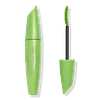
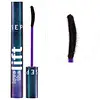
Covergirl LashBlast Clump Crusher Mascara Versus Sephora Collection Love The Lift Curling + Volumizing Mascara


What's inside
What's inside
 Key Ingredients
Benefits
Concerns
Ingredients Side-by-side
Water
Skin ConditioningAcrylates Copolymer
Glyceryl Stearate
Emollient

Disteardimonium Hectorite
StabilisingStearic Acid
Cleansing

Copernicia Cerifera Wax
Propylene Glycol
Humectant
Triethanolamine
BufferingPolyethylene
Abrasive
Lecithin
Emollient
Propylene Carbonate
SolventPolyvinyl Alcohol
Synthetic Wax
Abrasive
Oleic Acid
Emollient
Alcohol Denat.
Antimicrobial


Benzyl Alcohol
Perfuming



Panthenol
Skin Conditioning


Phenoxyethanol
Preservative
Methylparaben
Preservative

Glycerin
Humectant
Ethylparaben
Preservative
Propylparaben
Preservative
Ascorbyl Palmitate
Antioxidant


Xanthan Gum
EmulsifyingTocopherol
Antioxidant


Trisodium EDTA
ChelatingSimethicone
Emollient
Tocopheryl Acetate
Antioxidant
Methylcellulose
Emulsion StabilisingIron Oxides
Ultramarines
Titanium Dioxide
Cosmetic Colorant
Water, Acrylates Copolymer, Glyceryl Stearate, Disteardimonium Hectorite, Stearic Acid, Copernicia Cerifera Wax, Propylene Glycol, Triethanolamine, Polyethylene, Lecithin, Propylene Carbonate, Polyvinyl Alcohol, Synthetic Wax, Oleic Acid, Alcohol Denat., Benzyl Alcohol, Panthenol, Phenoxyethanol, Methylparaben, Glycerin, Ethylparaben, Propylparaben, Ascorbyl Palmitate, Xanthan Gum, Tocopherol, Trisodium EDTA, Simethicone, Tocopheryl Acetate, Methylcellulose, Iron Oxides, Ultramarines, Titanium Dioxide
Water
Skin ConditioningCI 77499
Cosmetic ColorantButylene Glycol
Humectant
Glyceryl Stearate
Emollient
Synthetic Beeswax
Emulsion Stabilising
Acacia Senegal Gum
MaskingOryza Sativa Bran Wax
Skin Conditioning
Palmitic Acid
Emollient
Stearic Acid
Cleansing
Polybutene
Vp/Eicosene Copolymer
Rhus Verniciflua Peel Cera
EmollientHelianthus Annuus Seed Cera
Emollient
Hydrogenated Castor Oil
Emollient
Aminomethyl Propanol
BufferingPolyimide-1
Hydroxyacetophenone
Antioxidant
Ethylhexylglycerin
Skin ConditioningRhus Succedanea Fruit Cera
EmollientCeratonia Siliqua Gum
EmollientXanthan Gum
EmulsifyingGlucose
Humectant
Tocopherol
Antioxidant
Water, CI 77499, Butylene Glycol, Glyceryl Stearate, Synthetic Beeswax, Acacia Senegal Gum, Oryza Sativa Bran Wax, Palmitic Acid, Stearic Acid, Polybutene, Vp/Eicosene Copolymer, Rhus Verniciflua Peel Cera, Helianthus Annuus Seed Cera, Hydrogenated Castor Oil, Aminomethyl Propanol, Polyimide-1, Hydroxyacetophenone, Ethylhexylglycerin, Rhus Succedanea Fruit Cera, Ceratonia Siliqua Gum, Xanthan Gum, Glucose, Tocopherol
Ingredients Explained
These ingredients are found in both products.
Ingredients higher up in an ingredient list are typically present in a larger amount.
Glyceryl Stearate is made by reacting glycerin with stearic acid (typically sourced from plant oils like palm or coconut). It's an emulsifier, emollient, and mild occlusive.
Emulsifiers help ingredients like oil and water stay mixed so your formula stays nicely blended and uniform in texture.
This ingredient is typically used in concentrations between 1-10%. Studies have found it to be non-sensitizing, non-phototoxic, and non-photoallergenic.
A close cousin of this ingredient is Glyceryl Stearate SE ("self-emulsifying"). This just has a small amount of sodium or potassium stearate added so it can emulsify without a co-emulsifier.
Since this ingredient is an ester of a C18 fatty acid, it may not be fungal acne safe. The Malassezia yeast can potentially metabolize within the C11-C24 range.
Fun fact: The human body also creates Glyceryl Stearate naturally.
Learn more about Glyceryl StearateStearic Acid is a fatty acid that is already found in your skin. It's one of the free fatty acids that works alongside ceramides and cholesterols to maintain your barrier.
In cosmetics, it is a multitasker:
Safety-wise, the CIR Expert Panel has concluded it to be safe in cosmetics when formulated to be non-irritating and non-sensitizing.
Free stearic acid is a C18 fatty acid that the Malassezia yeast can substrate, so this ingredient may not be fungal acne safe.
This ingredient does have a comedogenic rating of 2-3, but this doesn't mean a formula with this ingredient will clog pores.
Human testing has proved that any finished product with this ingredient won't automatically make you break out; it really comes down to concentration, formula, and your skin.
Learn more about Stearic AcidTocopherol is a fat-soluble antioxidant known as Vitamin E.
You'll find this ingredient in the vast majority of skincare (for good reason). It works to neutralize free radicals, or unstable molecules generated by UV exposure, pollution, and other environmental stressors, before they can cause oxidative damage to your skin cells.
Topically applied tocopherol has been shown to protect against UV damage by ramping up the skin's own natural defense enzymes.
It also acts as a skin conditioning agent; some studies show that regular topical use can improve the skin's water-binding capacity over 2-4 weeks.
This ingredient is especially loved for being a team player. When combined with Vitamin C, the photoprotective effect of both ingredients roughly doubles and the combo also helps reduce UV-induced DNA damage.
This ingredient has some brightening potential but it's more of a prevention ingredient than spot-fader. Cell studies show it can slow down melanin production but it's worth noting that it's not the most powerful brightener out there.
In formulations, it also serves as a stabilizer that helps protect other oxidation-prone ingredients from degrading.
Concentrations usually range from 0.1-1% in most leave-on products.
Learn more about TocopherolWater. It's the most common cosmetic ingredient of all. You'll usually see it at the top of ingredient lists, meaning that it makes up the largest part of the product.
So why is it so popular? Water most often acts as a solvent - this means that it helps dissolve other ingredients into the formulation.
You'll also recognize water as that liquid we all need to stay alive. If you see this, drink a glass of water. Remember to stay hydrated!
Learn more about WaterXanthan gum is used as a stabilizer and thickener within cosmetic products. It helps give products a sticky, thick feeling - preventing them from being too runny.
On the technical side of things, xanthan gum is a polysaccharide - a combination consisting of multiple sugar molecules bonded together.
Xanthan gum is a pretty common and great ingredient. It is a natural, non-toxic, non-irritating ingredient that is also commonly used in food products.
Learn more about Xanthan Gum

