

What's inside
What's inside
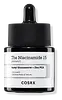 Key Ingredients
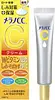
Benefits
Concerns
Ingredients Side-by-side


Ascorbyl Glucoside
Antioxidant




Tocopheryl Acetate
Antioxidant
Dipotassium Glycyrrhizate
Humectant

O-Cymen-5-Ol
Antimicrobial
Salicylic Acid
Masking








Cajanus Cajan Leaf Extract
Skin ConditioningOenothera Biennis Flower Extract
AstringentSimmondsia Chinensis Seed Oil
Emollient



Lactic Acid
Buffering

Hydrolyzed Roe Extract
HumectantRosa Rubiginosa Seed Oil
Emollient
Disodium EDTA
Hydroxypropyl Methylcellulose
Emulsion StabilisingCarbomer
Emulsion StabilisingPotassium Hydroxide
BufferingCetearyl Alcohol
Emollient



Hydrogenated Castor Oil
Emollient
Glyceryl Stearate
Emollient
Pentylene Glycol
Skin Conditioning
Glycerin
Humectant
Paraffinum Liquidum
Emollient
Triethylhexanoin
MaskingCaprylic Acid
CleansingButylene Glycol
Humectant
Ascorbyl Glucoside, Tocopheryl Acetate, Dipotassium Glycyrrhizate, O-Cymen-5-Ol, Salicylic Acid, Cajanus Cajan Leaf Extract, Oenothera Biennis Flower Extract, Simmondsia Chinensis Seed Oil, Lactic Acid, Hydrolyzed Roe Extract, Rosa Rubiginosa Seed Oil, Disodium EDTA, Hydroxypropyl Methylcellulose, Carbomer, Potassium Hydroxide, Cetearyl Alcohol, Hydrogenated Castor Oil, Glyceryl Stearate, Pentylene Glycol, Glycerin, Paraffinum Liquidum, Triethylhexanoin, Caprylic Acid, Butylene Glycol
Reviews
Ingredients Explained
These ingredients are found in both products.
Ingredients higher up in an ingredient list are typically present in a larger amount.
Butylene Glycol (or BG) is used within cosmetic products for a few different reasons:
Overall, Butylene Glycol is a safe and well-rounded ingredient that works well with other ingredients.
Though this ingredient works well with most skin types, some people with sensitive skin may experience a reaction such as allergic rashes, closed comedones, or itchiness.
Learn more about Butylene GlycolPentylene Glycol (1,2-pentanediol) is a multitasking little diol with three main roles in a formula:
Research on alkanediols (the family pentylene glycol belongs to) show they work by disrupting microbial cell membranes. This disruption helps the primary preservative system in a product work more effectively at lower doses.
On the safety side, the Cosmetic Ingredient Review Expert Panel has concluded this ingredient to be safe as used in current cosmetic practices + concentrations.
Typical use levels in a formula run about 1-5%.
Learn more about Pentylene Glycol

