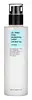
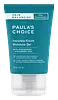
COSRX Oil Free Ultra Moisturizing Lotion with Birch Sap Versus Paula's Choice Skin Balancing Invisible Finish Moisture Gel
This barrier-repair moisturizer is formulated around Betula Platyphylla Japonica Juice and Panthenol to strengthen the skin barrier and hydrate skin.
This pore-care moisturizer is formulated around Niacinamide and Avena Sativa Kernel Extract to refine the look of pores and calm redness.


What's inside
What's inside
 Key Ingredients
Benefits
Concerns
Ingredients Side-by-side
Betula Platyphylla Japonica Juice
Skin Conditioning
Butylene Glycol
Humectant
Glycerin
Humectant
Dimethicone
Emollient
Betaine
Humectant
Cetearyl Alcohol
Emollient






1,2-Hexanediol
Skin Conditioning
Cetearyl Olivate
Sorbitan Olivate
Emulsifying
Ethylhexylglycerin
Skin ConditioningHydroxyethyl Acrylate/Sodium Acryloyldimethyl Taurate Copolymer
Emulsion StabilisingEthyl Hexanediol
SolventXanthan Gum
EmulsifyingAllantoin
Skin Conditioning
Panthenol
Skin Conditioning
Sodium Hyaluronate
Humectant

Sodium Lactate
Buffering
4-Terpineol
Masking
Water
Skin ConditioningBetula Platyphylla Japonica Juice, Butylene Glycol, Glycerin, Dimethicone, Betaine, Cetearyl Alcohol, 1,2-Hexanediol, Cetearyl Olivate, Sorbitan Olivate, Ethylhexylglycerin, Hydroxyethyl Acrylate/Sodium Acryloyldimethyl Taurate Copolymer, Ethyl Hexanediol, Xanthan Gum, Allantoin, Panthenol, Sodium Hyaluronate, Sodium Lactate, 4-Terpineol, Water
Water
Skin ConditioningCyclopentasiloxane
Emollient
Butylene Glycol
Humectant
Glycerin
Humectant
Bis-Phenylpropyl Dimethicone
Niacinamide
Smoothing





Laminaria Saccharina Extract
Skin Protecting
Avena Sativa Kernel Extract
Abrasive

Camellia Oleifera Leaf Extract
AstringentVitis Vinifera Seed Extract
Antimicrobial
Triticum Vulgare Germ Oil
Emollient
Tocopheryl Acetate
Antioxidant
Phenyl Trimethicone
Skin Conditioning
Dimethicone
Emollient
Dipotassium Glycyrrhizate
Humectant
Tetrahexyldecyl Ascorbate
Antioxidant
Sodium Hyaluronate
Humectant
Phospholipids
Skin Conditioning
Superoxide Dismutase
Antioxidant
Isohexadecane
EmollientPanthenol
Skin Conditioning
Sodium Acrylate/Sodium Acryloyldimethyl Taurate Copolymer
Emulsion StabilisingSodium Carbomer
Emulsion StabilisingDimethicone/Vinyl Dimethicone Crosspolymer
Skin Conditioning
Polysorbate 80
Emulsifying
Hydroxyethylcellulose
Emulsion StabilisingEthylhexylglycerin
Skin ConditioningPhenoxyethanol
Preservative
Water, Cyclopentasiloxane, Butylene Glycol, Glycerin, Bis-Phenylpropyl Dimethicone, Niacinamide, Laminaria Saccharina Extract, Avena Sativa Kernel Extract, Camellia Oleifera Leaf Extract, Vitis Vinifera Seed Extract, Triticum Vulgare Germ Oil, Tocopheryl Acetate, Phenyl Trimethicone, Dimethicone, Dipotassium Glycyrrhizate, Tetrahexyldecyl Ascorbate, Sodium Hyaluronate, Phospholipids, Superoxide Dismutase, Isohexadecane, Panthenol, Sodium Acrylate/Sodium Acryloyldimethyl Taurate Copolymer, Sodium Carbomer, Dimethicone/Vinyl Dimethicone Crosspolymer, Polysorbate 80, Hydroxyethylcellulose, Ethylhexylglycerin, Phenoxyethanol
Reviews
Ingredients Explained
These ingredients are found in both products.
Ingredients higher up in an ingredient list are typically present in a larger amount.
Butylene Glycol (or BG) is used within cosmetic products for a few different reasons:
Overall, Butylene Glycol is a safe and well-rounded ingredient that works well with other ingredients.
Though this ingredient works well with most skin types, some people with sensitive skin may experience a reaction such as allergic rashes, closed comedones, or itchiness.
Learn more about Butylene GlycolDimethicone is a type of synthetic silicone created from natural materials such as quartz. It is also known as polydimethylsiloxane.
What it does:
Dimethicone comes in different viscosities:
Depending on the viscosity, dimethicone has different properties.
Ingredients lists don't always show which type is used, so we recommend reaching out to the brand if you have questions about the viscosity.
This ingredient is unlikely to cause irritation because it does not get absorbed into skin. However, people with silicone allergies should be careful about using this ingredient.
Note: Dimethicone may contribute to pilling. This is because it is not oil or water soluble, so pilling may occur when layered with products. When mixed with heavy oils in a formula, the outcome is also quite greasy.
Learn more about DimethiconeEthylhexylglycerin is created from glycerin. It is a multitasker ingredient that:
The CIR Expert Panel found minimal skin absorption or sensitization of any kind in a safety assessment. Though this ingredient is considered well-tolerated, a small number of cases of allergic dermatitis have been published since 2002. Just be sure to patch test if you are unsure.
Industry-reported use ranges from 8% in rinse-off products and 2% in leave-on formulations.
Learn more about EthylhexylglycerinGlycerin (or glycerol) is a compound naturally found in your skin. It's a powerhouse humectant that pulls water into the stratum corneum.
Topically, glycerin does several things at once:
Your skin makes glycerin on its own (mostly from sebaceous oil breakdown) and shuttles it to your outermost layer of skin, or your epidermis, via aquaporin-3.
Aquaporin-3 is a transporter that is essential for normal skin hydration, elasticity, and repair. Interestingly, mice lacking in AQP3 have dry and less elastic skin that can be fully corrected with glycerin.
This ingredient is non-irritating, plays well with almost every ingredient, and works across all skin types. Typical use is anywhere between 3-10% but can go up to 79% in some leave-on products.
Just know very high concentrations (>40%) can feel tacky in low humidity.
Glycerin is the name for this ingredient in American English. British English uses Glycerol/Glycerine.
Learn more about GlycerinPanthenol is a common ingredient that helps hydrate and soothe the skin. It is found naturally in our skin and hair.
There are two forms of panthenol: D and L.
D-panthenol is also known as dexpanthenol. Most cosmetics use dexpanthenol or a mixture of D and L-panthenol.
Panthenol is famous due to its ability to go deeper into the skin's layers. Using this ingredient has numerous pros (and no cons):
Like hyaluronic acid, panthenol is a humectant. Humectants are able to bind and hold large amounts of water to keep skin hydrated.
This ingredient works well for wound healing. It works by increasing tissue in the wound and helps close open wounds.
Once oxidized, panthenol converts to pantothenic acid. Panthothenic acid is found in all living cells.
This ingredient is also referred to as pro-vitamin B5.
Learn more about PanthenolSodium Hyaluronate is the salt form of hyaluronic acid. It is a long sugar chain that is naturally found in your skin, joints, and connective tissue that maintains hydration and elasticity.
In skincare, it works as a humectant. It pulls water from the environment and deeper layers of skin and binds it to the surface.
Interestingly, the size of the molecule affects its behavior:
Some clinical evidence links low molecular weight versions to improved wrinkle depth, elasticity, anti-inflammatory effects, and barrier repair.
Many serums use a blend of both weights so you can get surface hydration plus longer-lasting and deeper effects.
You'll typically see concentrations between 0.1-2% for this ingredient.
Learn more about Sodium HyaluronateWater. It's the most common cosmetic ingredient of all. You'll usually see it at the top of ingredient lists, meaning that it makes up the largest part of the product.
So why is it so popular? Water most often acts as a solvent - this means that it helps dissolve other ingredients into the formulation.
You'll also recognize water as that liquid we all need to stay alive. If you see this, drink a glass of water. Remember to stay hydrated!
Learn more about Water

