

What's inside
What's inside
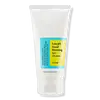 Key Ingredients
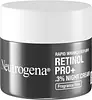
Benefits
Concerns
Ingredients Side-by-side
Water
Skin ConditioningCocamidopropyl Betaine
Cleansing

Sodium Lauroyl Methyl Isethionate
CleansingSodium Chloride
Masking

Polysorbate 20
Emulsifying
Styrax Japonicus Branch/Fruit/Leaf Extract
Skin ConditioningButylene Glycol
Humectant
Saccharomyces Ferment
Skin Conditioning
Cryptomeria Japonica Leaf Extract
HumectantNelumbo Nucifera Leaf Extract
Skin ConditioningPinus Palustris Leaf Extract
TonicUlmus Davidiana Root Extract
Skin Conditioning
Oenothera Biennis Flower Extract
AstringentPueraria Lobata Root Extract
HumectantMelaleuca Alternifolia Leaf Oil
Antioxidant



Allantoin
Skin Conditioning


Caprylyl Glycol
Emollient
Ethylhexylglycerin
Skin ConditioningBetaine Salicylate
Antimicrobial


Citric Acid
Buffering


Ethyl Hexanediol
Solvent1,2-Hexanediol
Skin Conditioning
Trisodium Ethylenediamine Disuccinate
Sodium Benzoate
Masking
Disodium EDTA
Water, Cocamidopropyl Betaine, Sodium Lauroyl Methyl Isethionate, Sodium Chloride, Polysorbate 20, Styrax Japonicus Branch/Fruit/Leaf Extract, Butylene Glycol, Saccharomyces Ferment, Cryptomeria Japonica Leaf Extract, Nelumbo Nucifera Leaf Extract, Pinus Palustris Leaf Extract, Ulmus Davidiana Root Extract, Oenothera Biennis Flower Extract, Pueraria Lobata Root Extract, Melaleuca Alternifolia Leaf Oil, Allantoin, Caprylyl Glycol, Ethylhexylglycerin, Betaine Salicylate, Citric Acid, Ethyl Hexanediol, 1,2-Hexanediol, Trisodium Ethylenediamine Disuccinate, Sodium Benzoate, Disodium EDTA
Water
Skin ConditioningPentaerythrityl Tetraethylhexanoate
Emollient
Glycerin
Humectant
PPG-15 Stearyl Ether
EmollientDimethicone
Emollient
Stearyl Alcohol
Emollient
Cetearyl Alcohol
Emollient
Pentylene Glycol
Skin ConditioningButylene Glycol
Humectant
Glyceryl Behenate
Emollient
Ceteareth-20
Cleansing
Isohexadecane
EmollientCellulose
Absorbent4-T-Butylcyclohexanol
Masking
Dimethicone Crosspolymer
Emulsion Stabilising
Sodium Polyacrylate
Absorbent
Phenoxyethanol
Preservative
Steareth-10
Emulsifying
Caprylyl Glycol
Emollient
Ammonium Acryloyldimethyltaurate/Vp Copolymer
Glyceryl Dilaurate
Emollient
Polyacrylamide
Polysorbate 20
Emulsifying
Retinol
Skin Conditioning


C13-14 Isoparaffin
Emollient
Chlorphenesin
Antimicrobial
Hydrolyzed Myrtus Communis Leaf Extract
Skin ProtectingBHT
Antioxidant
Sodium Hydroxide
BufferingSodium Hyaluronate
Humectant
Disodium EDTA
Laureth-7
EmulsifyingAscorbic Acid
Antioxidant
Water, Pentaerythrityl Tetraethylhexanoate, Glycerin, PPG-15 Stearyl Ether, Dimethicone, Stearyl Alcohol, Cetearyl Alcohol, Pentylene Glycol, Butylene Glycol, Glyceryl Behenate, Ceteareth-20, Isohexadecane, Cellulose, 4-T-Butylcyclohexanol, Dimethicone Crosspolymer, Sodium Polyacrylate, Phenoxyethanol, Steareth-10, Caprylyl Glycol, Ammonium Acryloyldimethyltaurate/Vp Copolymer, Glyceryl Dilaurate, Polyacrylamide, Polysorbate 20, Retinol, C13-14 Isoparaffin, Chlorphenesin, Hydrolyzed Myrtus Communis Leaf Extract, BHT, Sodium Hydroxide, Sodium Hyaluronate, Disodium EDTA, Laureth-7, Ascorbic Acid
Reviews
Ingredients Explained
These ingredients are found in both products.
Ingredients higher up in an ingredient list are typically present in a larger amount.
Butylene Glycol (or BG) is used within cosmetic products for a few different reasons:
Overall, Butylene Glycol is a safe and well-rounded ingredient that works well with other ingredients.
Though this ingredient works well with most skin types, some people with sensitive skin may experience a reaction such as allergic rashes, closed comedones, or itchiness.
Learn more about Butylene GlycolCaprylyl Glycol is a humectant and emollient, meaning it attracts and preserves moisture.
It is a common ingredient in many products, especially those designed to hydrate skin. The primary benefits are retaining moisture, skin softening, and promoting a healthy skin barrier.
Though Caprylyl Glycol is an alcohol derived from fatty acids, it is not the kind that can dry out skin.
This ingredient is also used as a preservative to extend the life of products. It has slight antimicrobial properties.
Learn more about Caprylyl GlycolDisodium EDTA plays a role in making products more stable by aiding other preservatives.
It is a chelating agent, meaning it neutralizes metal ions that may be found in a product.
Disodium EDTA is a salt of edetic acid and is found to be safe in cosmetic ingredients.
Learn more about Disodium EDTAPolysorbate 20 is made by combining ethoxylation of sorbitan, ethylene oxide, and lauric acid. It is a mild cleansing agent, surfactant, and emulsifier.
As a surfactant, it helps collect dirt and oils for washing. Emulsifiers prevent oils and water from separating.
Polysorbate 20 also adds scent to a product. Since it is made using sorbitol, it has a sweet scent. Sorbitol can also be found in fruits such as apples and peaches.
The lauric acid used to create Polysorbate 20 is often derived from coconuts.
Polysorbate 20 may not be fungal acne safe.
Learn more about Polysorbate 20Water. It's the most common cosmetic ingredient of all. You'll usually see it at the top of ingredient lists, meaning that it makes up the largest part of the product.
So why is it so popular? Water most often acts as a solvent - this means that it helps dissolve other ingredients into the formulation.
You'll also recognize water as that liquid we all need to stay alive. If you see this, drink a glass of water. Stay hydrated!
Learn more about Water
