

What's inside
What's inside
 Key Ingredients
Benefits
Concerns
No concerns
Ingredients Side-by-side
Water
Skin ConditioningPropanediol
Solvent

Camellia Sinensis Leaf Extract
Antimicrobial






Glycerin
Humectant
Pentylene Glycol
Skin Conditioning
1,2-Hexanediol
Skin Conditioning
Acrylates/C10-30 Alkyl Acrylate Crosspolymer
Emulsion StabilisingPanthenol
Skin Conditioning
Tromethamine
BufferingButylene Glycol
Humectant
Cetearyl Olivate

Sorbitan Olivate
Emulsifying
Allantoin
Skin Conditioning
Aloe Ferox Leaf Extract
Skin ConditioningEthylhexylglycerin
Skin ConditioningGlyceryl Acrylate/Acrylic Acid Copolymer
HumectantDisodium EDTA
Hydrolyzed Hibiscus Esculentus Extract
Skin ConditioningLupinus Albus Seed Extract
Skin ConditioningMoringa Oleifera Seed Extract
Skin Conditioning
Melia Azadirachta Leaf Extract
Skin ConditioningMelia Azadirachta Flower Extract
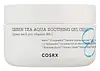
Skin ConditioningWater, Propanediol, Camellia Sinensis Leaf Extract, Glycerin, Pentylene Glycol, 1,2-Hexanediol, Acrylates/C10-30 Alkyl Acrylate Crosspolymer, Panthenol, Tromethamine, Butylene Glycol, Cetearyl Olivate, Sorbitan Olivate, Allantoin, Aloe Ferox Leaf Extract, Ethylhexylglycerin, Glyceryl Acrylate/Acrylic Acid Copolymer, Disodium EDTA, Hydrolyzed Hibiscus Esculentus Extract, Lupinus Albus Seed Extract, Moringa Oleifera Seed Extract, Melia Azadirachta Leaf Extract, Melia Azadirachta Flower Extract
Water
Skin ConditioningGlycerin
Humectant
Cetearyl Alcohol
Emollient



Urea
Buffering

Hydrogenated Coco-Glycerides
Emollient
Caprylic/Capric Triglyceride
Masking
Octyldodecanol
Emollient
Butyrospermum Parkii Butter
Skin Conditioning
Glyceryl Stearate
Emollient
Ceramide NP
Skin Conditioning
Lactic Acid
Buffering



Arginine Hcl
Skin ConditioningSodium PCA
Humectant
Cholesterol
Emollient
Helianthus Annuus Seed Oil
Emollient
Alanine
Masking
Glycine
Buffering
Sodium Chloride
MaskingCetyl Dimethicone
Emollient
Tapioca Starch
Chondrus Crispus
Masking
Sodium Cetearyl Sulfate
Cleansing
Acrylates/C10-30 Alkyl Acrylate Crosspolymer
Emulsion StabilisingDecylene Glycol
Skin ConditioningPhenoxyethanol
Preservative
Pentylene Glycol
Skin Conditioning
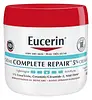
Water, Glycerin, Cetearyl Alcohol, Urea, Hydrogenated Coco-Glycerides, Caprylic/Capric Triglyceride, Octyldodecanol, Butyrospermum Parkii Butter, Glyceryl Stearate, Ceramide NP, Lactic Acid, Arginine Hcl, Sodium PCA, Cholesterol, Helianthus Annuus Seed Oil, Alanine, Glycine, Sodium Chloride, Cetyl Dimethicone, Tapioca Starch, Chondrus Crispus, Sodium Cetearyl Sulfate, Acrylates/C10-30 Alkyl Acrylate Crosspolymer, Decylene Glycol, Phenoxyethanol, Pentylene Glycol
Reviews
Ingredients Explained
These ingredients are found in both products.
Ingredients higher up in an ingredient list are typically present in a larger amount.
Acrylates/C10-30 Alkyl Acrylate Crosspolymer is a synthetic polymer. It is used to thicken, emulsify, and improve the texture of products.
As an emulsifier, it helps stabilize oil-in-water emulsions to give products an elegant feel when applied.
It can also form a thin protective film on skin. One study found that a formula using this polymer helped slow down how quickly other ingredients (like DEET) were absorbed through skin.
A 2024 study of over 1,300 patients confirmed that sensitization to this ingredient is rare. It is also non-mutagenic and has a clean track record.
Learn more about Acrylates/C10-30 Alkyl Acrylate CrosspolymerGlycerin (or glycerol) is a compound naturally found in your skin. It's a powerhouse humectant that pulls water into the stratum corneum.
Topically, glycerin does several things at once:
Your skin makes glycerin on its own (mostly from sebaceous oil breakdown) and shuttles it to your outermost layer of skin, or your epidermis, via aquaporin-3.
Aquaporin-3 is a transporter that is essential for normal skin hydration, elasticity, and repair. Interestingly, mice lacking in AQP3 have dry and less elastic skin that can be fully corrected with glycerin.
This ingredient is non-irritating, plays well with almost every ingredient, and works across all skin types. Typical use is anywhere between 3-10% but can go up to 79% in some leave-on products.
Just know very high concentrations (>40%) can feel tacky in low humidity.
Glycerin is the name for this ingredient in American English. British English uses Glycerol/Glycerine.
Learn more about GlycerinPentylene Glycol (1,2-pentanediol) is a multitasking little diol with three main roles in a formula:
Research on alkanediols (the family pentylene glycol belongs to) show they work by disrupting microbial cell membranes. This disruption helps the primary preservative system in a product work more effectively at lower doses.
On the safety side, the Cosmetic Ingredient Review Expert Panel has concluded this ingredient to be safe as used in current cosmetic practices + concentrations.
Typical use levels in a formula run about 1-5%.
Learn more about Pentylene GlycolWater. It's the most common cosmetic ingredient of all. You'll usually see it at the top of ingredient lists, meaning that it makes up the largest part of the product.
So why is it so popular? Water most often acts as a solvent - this means that it helps dissolve other ingredients into the formulation.
You'll also recognize water as that liquid we all need to stay alive. If you see this, drink a glass of water. Remember to stay hydrated!
Learn more about Water

