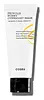
This hydrating overnight mask is formulated around Propolis Extract and Honey Extract to hydrate skin and calm redness.
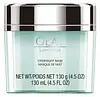
This brightening overnight mask is formulated around Niacinamide and Sodium Ascorbyl Phosphate to brighten dull-looking skin and fade the look of dark spots.


What's inside
What's inside
 Key Ingredients
Benefits
Concerns
Ingredients Side-by-side
Propolis Extract
Skin Conditioning




Butylene Glycol
Humectant

Glycerin
Humectant
Honey Extract
Humectant
Royal Jelly Extract
Skin Conditioning
1,2-Hexanediol
Skin Conditioning
Water
Skin ConditioningBetaine
Humectant
Cassia Obtusifolia Seed Extract
Skin ConditioningCarbomer
Emulsion StabilisingArginine
Masking
Ethylhexylglycerin
Skin ConditioningPolyglyceryl-10 Myristate
Skin Conditioning

Polyglyceryl-10 Laurate
Skin Conditioning
Xanthan Gum
EmulsifyingHelianthus Annuus Seed Oil
Emollient
Sodium Polyacrylate
Absorbent
Panthenol
Skin Conditioning
Allantoin
Skin Conditioning
Adenosine
Skin Conditioning
Sodium Hyaluronate
Humectant
Beeswax
Emulsion Stabilising


Propolis Extract, Butylene Glycol, Glycerin, Honey Extract, Royal Jelly Extract, 1,2-Hexanediol, Water, Betaine, Cassia Obtusifolia Seed Extract, Carbomer, Arginine, Ethylhexylglycerin, Polyglyceryl-10 Myristate, Polyglyceryl-10 Laurate, Xanthan Gum, Helianthus Annuus Seed Oil, Sodium Polyacrylate, Panthenol, Allantoin, Adenosine, Sodium Hyaluronate, Beeswax
Water
Skin ConditioningButylene Glycol
Humectant
Glycerin
Humectant
Niacinamide
Smoothing





Cyclopentasiloxane
Emollient
Isopropyl Isostearate
Emollient
Dimethicone
Emollient
Polymethylsilsesquioxane
Morus Alba Root Extract
BleachingLilium Candidum Flower Extract
Skin ConditioningLonicera Japonica Flower Extract
Skin ConditioningSodium Ascorbyl Phosphate
Antioxidant

Tocopheryl Acetate
Antioxidant
Glucosyl Hesperidin
HumectantPanthenol
Skin Conditioning
Acrylates/C10-30 Alkyl Acrylate Crosspolymer
Emulsion StabilisingDimethiconol
Emollient
Dimethicone Crosspolymer
Emulsion Stabilising
Aminomethyl Propanol
BufferingPhenoxyethanol
Preservative
DMDM Hydantoin
Preservative
Ethylhexyl Salicylate
UV Absorber

Benzyl Alcohol
Perfuming



Cetyl Alcohol
Emollient

Iodopropynyl Butylcarbamate
Preservative
Disodium EDTA
ChelatingParfum
Masking
Water, Butylene Glycol, Glycerin, Niacinamide, Cyclopentasiloxane, Isopropyl Isostearate, Dimethicone, Polymethylsilsesquioxane, Morus Alba Root Extract, Lilium Candidum Flower Extract, Lonicera Japonica Flower Extract, Sodium Ascorbyl Phosphate, Tocopheryl Acetate, Glucosyl Hesperidin, Panthenol, Acrylates/C10-30 Alkyl Acrylate Crosspolymer, Dimethiconol, Dimethicone Crosspolymer, Aminomethyl Propanol, Phenoxyethanol, DMDM Hydantoin, Ethylhexyl Salicylate, Benzyl Alcohol, Cetyl Alcohol, Iodopropynyl Butylcarbamate, Disodium EDTA, Parfum
Reviews
Ingredients Explained
These ingredients are found in both products.
Ingredients higher up in an ingredient list are typically present in a larger amount.
Butylene Glycol (or BG) is used within cosmetic products for a few different reasons:
Overall, Butylene Glycol is a safe and well-rounded ingredient that works well with other ingredients.
Though this ingredient works well with most skin types, some people with sensitive skin may experience a reaction such as allergic rashes, closed comedones, or itchiness.
Learn more about Butylene GlycolGlycerin (or glycerol) is a compound naturally found in your skin. It's a powerhouse humectant that pulls water into the stratum corneum.
Topically, glycerin does several things at once:
Your skin makes glycerin on its own (mostly from sebaceous oil breakdown) and shuttles it to your outermost layer of skin, or your epidermis, via aquaporin-3.
Aquaporin-3 is a transporter that is essential for normal skin hydration, elasticity, and repair. Interestingly, mice lacking in AQP3 have dry and less elastic skin that can be fully corrected with glycerin.
This ingredient is non-irritating, plays well with almost every ingredient, and works across all skin types. Typical use is anywhere between 3-10% but can go up to 79% in some leave-on products.
Just know very high concentrations (>40%) can feel tacky in low humidity.
Glycerin is the name for this ingredient in American English. British English uses Glycerol/Glycerine.
Learn more about GlycerinPanthenol is a common ingredient that helps hydrate and soothe the skin. It is found naturally in our skin and hair.
There are two forms of panthenol: D and L.
D-panthenol is also known as dexpanthenol. Most cosmetics use dexpanthenol or a mixture of D and L-panthenol.
Panthenol is famous due to its ability to go deeper into the skin's layers. Using this ingredient has numerous pros (and no cons):
Like hyaluronic acid, panthenol is a humectant. Humectants are able to bind and hold large amounts of water to keep skin hydrated.
This ingredient works well for wound healing. It works by increasing tissue in the wound and helps close open wounds.
Once oxidized, panthenol converts to pantothenic acid. Panthothenic acid is found in all living cells.
This ingredient is also referred to as pro-vitamin B5.
Learn more about PanthenolWater. It's the most common cosmetic ingredient of all. You'll usually see it at the top of ingredient lists, meaning that it makes up the largest part of the product.
So why is it so popular? Water most often acts as a solvent - this means that it helps dissolve other ingredients into the formulation.
You'll also recognize water as that liquid we all need to stay alive. If you see this, drink a glass of water. Remember to stay hydrated!
Learn more about Water

