

What's inside
What's inside
 Key Ingredients
Benefits
Concerns
Ingredients Side-by-side
Centella Asiatica Leaf Water
Skin Conditioning


Butylene Glycol
Humectant
Glycerin
Humectant
Helianthus Annuus Seed Oil
Emollient

Caprylic/Capric Triglyceride
Masking
Cetearyl Alcohol
Emollient


Betaine
Humectant
1,2-Hexanediol
Skin Conditioning
Cetearyl Olivate
Elaeis Guineensis Oil
Emollient
Ceramide NP
Skin Conditioning

Sorbitan Olivate
Emulsifying
Hydrogenated Lecithin
Emulsifying
Triethylhexanoin
MaskingBeeswax
Emulsion Stabilising
Elaeis Guineensis Kernel Oil
Emollient
Hydroxyethyl Acrylate/Sodium Acryloyldimethyl Taurate Copolymer
Emulsion StabilisingEthylhexylglycerin
Skin ConditioningCyclohexasiloxane
Emollient
Cassia Obtusifolia Seed Extract
Skin ConditioningSucrose Distearate
Emollient
Dipropylene Glycol
HumectantPanthenol
Skin Conditioning
Niacinamide
Smoothing






Dimethicone/Vinyl Dimethicone Crosspolymer
Skin Conditioning
Glyceryl Stearate
Emollient
Xanthan Gum
EmulsifyingSodium Hyaluronate
Humectant
Limonene
Perfuming




Citrus Aurantium Bergamia Fruit Oil
Masking
Asiaticoside
Antioxidant
Asiatic Acid
Skin Conditioning
Madecassic Acid
Skin Conditioning
Linalool
Perfuming
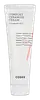
Centella Asiatica Leaf Water, Butylene Glycol, Glycerin, Helianthus Annuus Seed Oil, Caprylic/Capric Triglyceride, Cetearyl Alcohol, Betaine, 1,2-Hexanediol, Cetearyl Olivate, Elaeis Guineensis Oil, Ceramide NP, Sorbitan Olivate, Hydrogenated Lecithin, Triethylhexanoin, Beeswax, Elaeis Guineensis Kernel Oil, Hydroxyethyl Acrylate/Sodium Acryloyldimethyl Taurate Copolymer, Ethylhexylglycerin, Cyclohexasiloxane, Cassia Obtusifolia Seed Extract, Sucrose Distearate, Dipropylene Glycol, Panthenol, Niacinamide, Dimethicone/Vinyl Dimethicone Crosspolymer, Glyceryl Stearate, Xanthan Gum, Sodium Hyaluronate, Limonene, Citrus Aurantium Bergamia Fruit Oil, Asiaticoside, Asiatic Acid, Madecassic Acid, Linalool
Water
Skin ConditioningCaprylic/Capric Triglyceride
Masking
Paraffinum Liquidum
Emollient
Glycerin
Humectant
Hydrogenated Vegetable Oil
Emollient
Zinc Oxide
Cosmetic Colorant

Propylene Glycol
Humectant
Polyglyceryl-2 Sesquiisostearate
Emulsifying
PEG-22/Dodecyl Glycol Copolymer
EmulsifyingAluminum Stearate
Cosmetic ColorantAquaphilus Dolomiae Ferment Filtrate
Skin ConditioningArginine
Masking
Beeswax
Emulsion Stabilising
Copper Sulfate
Skin Conditioning
Magnesium Stearate
Cosmetic ColorantMicrocrystalline Wax
Emulsion StabilisingTromethamine
BufferingZinc Sulfate
Antimicrobial
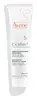
Water, Caprylic/Capric Triglyceride, Paraffinum Liquidum, Glycerin, Hydrogenated Vegetable Oil, Zinc Oxide, Propylene Glycol, Polyglyceryl-2 Sesquiisostearate, PEG-22/Dodecyl Glycol Copolymer, Aluminum Stearate, Aquaphilus Dolomiae Ferment Filtrate, Arginine, Beeswax, Copper Sulfate, Magnesium Stearate, Microcrystalline Wax, Tromethamine, Zinc Sulfate
Reviews
Ingredients Explained
These ingredients are found in both products.
Ingredients higher up in an ingredient list are typically present in a larger amount.
Beeswax is natural wax produced by honey bees to build their honeycomb.
Because it forms a protective layer on your skin, it can help lock in moisture and reduce water loss. It is also widely used as a thickener and emulsifier in lip balms and lotions. Research suggests beeswax containing moisturizers can support skin barrier integrity.
In comedogenic testing, Beeswax scored a 0-2, which is on the low end. Whether or not a product clogs your pores really comes down to the formula as a whole (not any single ingredient on its own).
Cera Alba is the white, bleached form of this ingredient.
Just so you know, beeswax is not vegan since it is animal-derived. It cannot be removed with water, but can be taken off with an oil cleanser.
People with a known Propolis allergy also report to have reactions from beeswax.
Learn more about BeeswaxThis ingredient is a lightweight emollient, solvent, and texture enhancer. It is considered a skin-softener by helping the skin prevent moisture loss.
It helps thicken a product's formula and makes it easier to spread by dissolving clumping compounds.
Caprylic Triglyceride is made by combining glycerin with coconut oil, forming a clear liquid. Though it behaves like an oil, it is not technically one due to its chemical composition. It is very stable, resistant to oxidation, and unlikely to go rancid. In practice, that translates to a long shelf life and a consistently elegant skin feel.
While there is an assumption Caprylic Triglyceride can clog pores due to it being derived from coconut oil, there is no research supporting this. Be sure to patch test if you have concerns.
Fractionated coconut oil and MCT Oil are both listed as Caprylic/Capric Triglyceride according to INCI. This is because INCI names are based on the ingredient’s final chemical composition and not its marketing name or source.
Learn more about Caprylic/Capric TriglycerideGlycerin (or glycerol) is a compound naturally found in your skin. It's a powerhouse humectant that pulls water into the stratum corneum.
Topically, glycerin does several things at once:
Your skin makes glycerin on its own (mostly from sebaceous oil breakdown) and shuttles it to your outermost layer of skin, or your epidermis, via aquaporin-3.
Aquaporin-3 is a transporter that is essential for normal skin hydration, elasticity, and repair. Interestingly, mice lacking in AQP3 have dry and less elastic skin that can be fully corrected with glycerin.
This ingredient is non-irritating, plays well with almost every ingredient, and works across all skin types. Typical use is anywhere between 3-10% but can go up to 79% in some leave-on products.
Just know very high concentrations (>40%) can feel tacky in low humidity.
Glycerin is the name for this ingredient in American English. British English uses Glycerol/Glycerine.
Learn more about Glycerin
