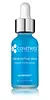
This anti-aging serum is formulated around Copper Tripeptide-1 and Ceramide NP to soften the look of wrinkles and strengthen the skin barrier.
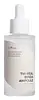
This barrier-repair ampoule is formulated around Bifida Ferment Lysate and Niacinamide to strengthen the skin barrier and soften the look of wrinkles.


What's inside
What's inside
 Key Ingredients
Benefits
Ingredients Side-by-side
Water
Skin ConditioningPropanediol
Solvent

Butylene Glycol
Humectant
Collagen
Moisturising
Ceramide NP
Skin Conditioning


Ceramide AP
Skin Conditioning
Ceramide Eos
Skin Conditioning
Phytosphingosine
Skin Conditioning
Cholesterol
Emollient
Sodium Lauroyl Lactylate
EmulsifyingCarbomer
Emulsion StabilisingXanthan Gum
EmulsifyingTriethanolamine
BufferingPalmitoyl Tetrapeptide-7
Skin Conditioning


Palmitoyl Oligopeptide
Cleansing
Copper Tripeptide-1
Skin Conditioning
Hyaluronic Acid
Humectant
Bifida Ferment Lysate
Skin Conditioning
Dipropylene Glycol
HumectantNiacinamide
Smoothing





Glycerin
Humectant
Lactobacillus/Pumpkin Ferment Extract
Skin ConditioningLactobacillus/Soybean Ferment Extract
Skin ConditioningRice Ferment Filtrate
Skin Conditioning
Sodium Hyaluronate
Humectant
Hydrolyzed Collagen
Emollient
Salix Alba Bark Extract
Astringent
Origanum Vulgare Leaf Extract
Skin ConditioningCinnamomum Zeylanicum Bark Extract
Antimicrobial

Portulaca Oleracea Extract
Skin Conditioning
Chamaecyparis Obtusa Leaf Extract
Skin ConditioningBeta-Glucan
Skin Conditioning
Palmitoyl Oligopeptide
Cleansing
Copper Tripeptide-1
Skin Conditioning
Acetyl Hexapeptide-8
Humectant
Allantoin
Skin Conditioning
Hydroxyethylcellulose
Emulsion StabilisingPanthenol
Skin Conditioning
Carbomer
Emulsion StabilisingArginine
Masking
Butylene Glycol
Humectant
Scutellaria Baicalensis Root Extract
Astringent
Illicium Verum Fruit Extract
Perfuming
Adenosine
Skin Conditioning
1,2-Hexanediol
Skin Conditioning
Disodium EDTA
ChelatingBifida Ferment Lysate, Dipropylene Glycol, Niacinamide, Glycerin, Lactobacillus/Pumpkin Ferment Extract, Lactobacillus/Soybean Ferment Extract, Rice Ferment Filtrate, Sodium Hyaluronate, Hydrolyzed Collagen, Salix Alba Bark Extract, Origanum Vulgare Leaf Extract, Cinnamomum Zeylanicum Bark Extract, Portulaca Oleracea Extract, Chamaecyparis Obtusa Leaf Extract, Beta-Glucan, Palmitoyl Oligopeptide, Copper Tripeptide-1, Acetyl Hexapeptide-8, Allantoin, Hydroxyethylcellulose, Panthenol, Carbomer, Arginine, Butylene Glycol, Scutellaria Baicalensis Root Extract, Illicium Verum Fruit Extract, Adenosine, 1,2-Hexanediol, Disodium EDTA
Reviews
Ingredients Explained
These ingredients are found in both products.
Ingredients higher up in an ingredient list are typically present in a larger amount.
Butylene Glycol (or BG) is used within cosmetic products for a few different reasons:
Overall, Butylene Glycol is a safe and well-rounded ingredient that works well with other ingredients.
Though this ingredient works well with most skin types, some people with sensitive skin may experience a reaction such as allergic rashes, closed comedones, or itchiness.
Learn more about Butylene GlycolCarbomer is a synthetic thickening and gelling agent. It's basically the ingredient that gives a lot of serums, gels, creams, and sunscreens their smooth, non-sticky texture.
Although legally permitted at very high levels, carbomers are normally used at concentrations below 1%.
It also needs to be neutralized to actually thicken, and because it is a large molecule, it doesn't really penetrate the skin barrier.
Allergy-wise, the risk is very low. Clinical studies show carbomers have low potential for skin irritation/sensitization even at concentrations up to 100%.
A 2024 UK study patch-tested 1,302 patients and found true allergy to the parent group of carbomer to be rare with no confirmed relevant reactions.
Learn more about CarbomerCopper Tripeptide-1 (GHK-Cu) is a skin repairing ingredient said to boost collagen, improve firmness, and support skin regeneration.
It is a complex made up of a naturally occurring peptide (glycine-histidine-lysine) and copper, an essential trace element.
While studying wound healing, researchers noticed GHK-Cu stimulated hair follicle enlargement and growth by keeping hair in its active growth phase longer. This has made it a promising ingredient for hair regrowth treatments.
Some people have reported increased facial hair. While GHK-Cu can make your hair follicles bigger, it usually doesn’t turn soft, barely-visible facial hairs into thick, dark ones.
Anecdotal reports suggest that overusing copper peptides might lead to premature aging due to excess free copper or enzyme imbalances. This claim isn’t backed by large-scale studies.
Unfortunately, there are limited human studies for this ingredient. While early results are promising, many studies are either small, in-vitro, or not rigorously controlled.
For example, there is a 1998 study that explored the effects of copper tripeptide, vitamin C, tretinoin, and melatonin on skin repair and collagen synthesis.
After one month, increased procollagen production was seen in 7 out of 10 participants using copper tripeptide (more than those using vitamin C, melatonin, or tretinoin.
While the study was exploratory, it offers early evidence that copper tripeptide may support collagen production. Larger, well-designed trials are still needed to confirm its potential and understand individual responses.
Read more about other common types of peptides here:
Learn more about Copper Tripeptide-1Palmitoyl Oligopeptide is a form of peptide. It is created by blending peptides with palmitic acid. Peptides are building blocks for protein.
This ingredients tells our body to create more collagen. Collagen is a protein that makes connective tissue. Boosting collagen production leads to a healthier skin barrier. Having a healthy skin barrier means having firm and hydrated skin.
Read more about other common types of peptides here:
Learn more about Palmitoyl Oligopeptide

