
What's inside
What's inside
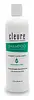 Key Ingredients
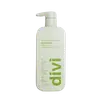
No key ingredients
Benefits
Concerns
Ingredients Side-by-side

Water
Skin ConditioningSodium Lauroyl Methyl Isethionate
CleansingSodium C14-16 Olefin Sulfonate
Cleansing
Cocamidopropyl Hydroxysultaine
Cleansing
Sodium Cocoyl Glutamate
Cleansing
Betaine
Humectant


Acrylates Copolymer
Pentylene Glycol
Skin Conditioning
Propanediol
Solvent
Mentha Piperita Oil
Masking





Caprylyl Glycol
Emollient
Polyquaternium-73
Glycol Stearate
Emollient
Hydroxyacetophenone
Antioxidant

Lauryl Lactyl Lactate
Skin ConditioningGuar Hydroxypropyltrimonium Chloride
Skin ConditioningMenthol
Masking
Polyquaternium-6
Caprylhydroxamic Acid
Melaleuca Alternifolia Leaf Oil
Antioxidant
Tetrasodium Glutamate Diacetate
Sodium PCA
Humectant
Sodium Lactate
Buffering
Polyquaternium-7
Arginine
Masking
Aspartic Acid
Masking
PCA
Humectant
Glycerin
Humectant
Amaranthus Caudatus Seed Extract
Skin Conditioning
Biotin
AntiseborrhoeicGlycine
Buffering
Cocos Nucifera Oil
Masking

Simmondsia Chinensis Seed Oil
Emollient
Alanine
Masking
Serine
Masking
Valine
MaskingCereus Grandiflorus Extract
Antioxidant
Isoleucine
Skin ConditioningProline
Skin Conditioning
Threonine
Hibiscus Rosa-Sinensis Flower Extract
HumectantLactococcus Ferment Lysate
Skin Conditioning
Octyldodecanol
Emollient
Acacia Senegal Gum
MaskingHistidine
Humectant
Phenylalanine
Masking
Camellia Sinensis Leaf Extract
Antimicrobial

Leptospermum Scoparium Branch/Leaf Oil
Tonic
Magnolia Officinalis Bark Extract
Antimicrobial
Piper Nigrum Seed Extract
RefreshingCrocus Chrysanthus Bulb Extract
Skin ConditioningMyristoyl Pentapeptide-17
Skin Conditioning
Water, Sodium Lauroyl Methyl Isethionate, Sodium C14-16 Olefin Sulfonate, Cocamidopropyl Hydroxysultaine, Sodium Cocoyl Glutamate, Betaine, Acrylates Copolymer, Pentylene Glycol, Propanediol, Mentha Piperita Oil, Caprylyl Glycol, Polyquaternium-73, Glycol Stearate, Hydroxyacetophenone, Lauryl Lactyl Lactate, Guar Hydroxypropyltrimonium Chloride, Menthol, Polyquaternium-6, Caprylhydroxamic Acid, Melaleuca Alternifolia Leaf Oil, Tetrasodium Glutamate Diacetate, Sodium PCA, Sodium Lactate, Polyquaternium-7, Arginine, Aspartic Acid, PCA, Glycerin, Amaranthus Caudatus Seed Extract, Biotin, Glycine, Cocos Nucifera Oil, Simmondsia Chinensis Seed Oil, Alanine, Serine, Valine, Cereus Grandiflorus Extract, Isoleucine, Proline, Threonine, Hibiscus Rosa-Sinensis Flower Extract, Lactococcus Ferment Lysate, Octyldodecanol, Acacia Senegal Gum, Histidine, Phenylalanine, Camellia Sinensis Leaf Extract, Leptospermum Scoparium Branch/Leaf Oil, Magnolia Officinalis Bark Extract, Piper Nigrum Seed Extract, Crocus Chrysanthus Bulb Extract, Myristoyl Pentapeptide-17
Ingredients Explained
These ingredients are found in both products.
Ingredients higher up in an ingredient list are typically present in a larger amount.
Caprylhydroxamic Acid is a chelating agent that helps cosmetics stay fresh, stable, and consistent over time.
Chelating agents help prevent metal ions from binding to other ingredients. This helps prevent unwanted reactions and effects from using the product. It also helps prevent the growth of unwanted microbes in products that contain water.
Caprylhydroxamic Acid is often used with natural antimicrobial products as an alternative to preservatives.
Learn more about Caprylhydroxamic AcidGlycerin (or glycerol) is a compound naturally found in your skin. It's a powerhouse humectant that pulls water into the stratum corneum.
Topically, glycerin does several things at once:
Your skin makes glycerin on its own (mostly from sebaceous oil breakdown) and shuttles it to your outermost layer of skin, or your epidermis, via aquaporin-3.
Aquaporin-3 is a transporter that is essential for normal skin hydration, elasticity, and repair. Interestingly, mice lacking in AQP3 have dry and less elastic skin that can be fully corrected with glycerin.
This ingredient is non-irritating, plays well with almost every ingredient, and works across all skin types. Typical use is anywhere between 3-10% but can go up to 79% in some leave-on products.
Just know very high concentrations (>40%) can feel tacky in low humidity.
Glycerin is the name for this ingredient in American English. British English uses Glycerol/Glycerine.
Learn more about GlycerinPolyquaternium-7 is a light to clear colored liquid. It is commonly found in haircare products for its film-forming and anti-static properties.
According to a manufacturer, it is a non-paraben and specially developed for negatively charged surfactant systems. This makes it a great hairstyle holder and helps to improve wet hair detangling without adding buildup.
Sodium C14-16 Olefin Sulfonate is a surfactant that helps water and oil mix so that dirt, sweat, sebum, and sunscreen can rinse away easily. It's not technically a sulfate, but behaves similarly in formulas.
What it does:
Sodium C14-16 Olefin Sulfonate is a strong cleansing surfactant and is much stronger than many mild cleansers. Because it works deeply, it can disrupt the skin's barrier. This can lead to dryness or irritation for those with sensitive skin.
Compared to gentler surfactants, it's effective but more likely to dry or irritate if not balanced with soothing ingredients.
CIR considers sodium α-olefin sulfonates (including C14-16) to be safe for use in rinse-off products when properly formulated. It is poorly absorbed through normal skin but absorption increases if the skin barrier is already damaged.
Learn more about Sodium C14-16 Olefin SulfonateWater. It's the most common cosmetic ingredient of all. You'll usually see it at the top of ingredient lists, meaning that it makes up the largest part of the product.
So why is it so popular? Water most often acts as a solvent - this means that it helps dissolve other ingredients into the formulation.
You'll also recognize water as that liquid we all need to stay alive. If you see this, drink a glass of water. Remember to stay hydrated!
Learn more about Water
