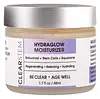
This anti-aging moisturizer is formulated around Squalane and Bakuchiol to soften the look of wrinkles and hydrate skin.
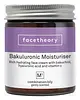
This anti-aging moisturizer is formulated around Bakuchiol and Sodium Hyaluronate to soften the look of wrinkles and hydrate skin.


What's inside
What's inside
 Key Ingredients
Benefits
Concerns
Ingredients Side-by-side
Water
Skin ConditioningSqualane
Emollient


Propanediol
Solvent
Cannabis Sativa Seed Oil
Emollient


Punica Granatum Seed Oil
Emollient
Polyglyceryl-6 Distearate
Emulsifying
Glycerin
Humectant
Cetyl Alcohol
Emollient

Raphanus Sativus Seed Extract
Skin ConditioningBakuchiol
Antimicrobial






Aloe Barbadensis Leaf Extract
Emollient
Hyaluronic Acid
Humectant
Jojoba Esters
Emollient
Olibanum
MaskingCamellia Sinensis Extract
Antioxidant
Sodium Cocoyl/Stearoyl (Alanine/Arginine/Asparagine/Aspartic Acid/Glutamic Acid/Glutamine/Glycine/Histidine/Isoleucine/Leucine/Lysine/Phenylalanine/Proline/Serine/Threonine/Tyrosine/Valine)
Emollient
Phenylalanine
Masking
Argania Spinosa Sprout Cell Extract
Skin ConditioningCurcuma Longa Root Extract
Antioxidant
Tanacetum Annuum Flower Oil
Masking
Lactobacillus Ferment
Skin Conditioning
Diglucosyl Gallic Acid
Thioctic Acid
Antioxidant
Lactic Acid
Buffering


Xanthan Gum
EmulsifyingCaprylyl Glycol
Emollient
Ethylhexylglycerin
Skin ConditioningWater, Squalane, Propanediol, Cannabis Sativa Seed Oil, Punica Granatum Seed Oil, Polyglyceryl-6 Distearate, Glycerin, Cetyl Alcohol, Raphanus Sativus Seed Extract, Bakuchiol, Aloe Barbadensis Leaf Extract, Hyaluronic Acid, Jojoba Esters, Olibanum, Camellia Sinensis Extract, Sodium Cocoyl/Stearoyl (Alanine/Arginine/Asparagine/Aspartic Acid/Glutamic Acid/Glutamine/Glycine/Histidine/Isoleucine/Leucine/Lysine/Phenylalanine/Proline/Serine/Threonine/Tyrosine/Valine), Phenylalanine, Argania Spinosa Sprout Cell Extract, Curcuma Longa Root Extract, Tanacetum Annuum Flower Oil, Lactobacillus Ferment, Diglucosyl Gallic Acid, Thioctic Acid, Lactic Acid, Xanthan Gum, Caprylyl Glycol, Ethylhexylglycerin
Water
Skin ConditioningPropanediol
Solvent
Butyrospermum Parkii Butter
Skin Conditioning

Glyceryl Stearate Se
Emulsifying
Prunus Amygdalus Dulcis Oil
Skin Conditioning
Bakuchiol
Antimicrobial
Cetyl Alcohol
Emollient
Stearic Acid
Cleansing
Distarch Phosphate
AbsorbentPrunus Armeniaca Kernel Oil
Masking
Dalea Spinosa Seed Oil
Masking
Oryza Sativa Bran Oil
Emollient
Tocopherol
Antioxidant
Glycerin
Humectant
Sodium Anisate
AntimicrobialSodium Levulinate
Skin ConditioningGlyceryl Caprylate
EmollientCitrus Nobilis Peel Oil 0.485%
Masking
Gellan Gum
Lactic Acid
Buffering
Sodium Hyaluronate
Humectant
Sclerotium Gum
Emulsion StabilisingXanthan Gum
EmulsifyingSodium Ascorbyl Phosphate
Antioxidant
Ferulic Acid
Antimicrobial
Water, Propanediol, Butyrospermum Parkii Butter, Glyceryl Stearate Se, Prunus Amygdalus Dulcis Oil, Bakuchiol, Cetyl Alcohol, Stearic Acid, Distarch Phosphate, Prunus Armeniaca Kernel Oil, Dalea Spinosa Seed Oil, Oryza Sativa Bran Oil, Tocopherol, Glycerin, Sodium Anisate, Sodium Levulinate, Glyceryl Caprylate, Citrus Nobilis Peel Oil 0.485%, Gellan Gum, Lactic Acid, Sodium Hyaluronate, Sclerotium Gum, Xanthan Gum, Sodium Ascorbyl Phosphate, Ferulic Acid
Reviews
Ingredients Explained
These ingredients are found in both products.
Ingredients higher up in an ingredient list are typically present in a larger amount.
Bakuchiol is a plant-derived antioxidant from the seeds of the Psoralea corylifolia plant. It has antimicrobial, emollient, skin conditioning, and antioxidant properties.
You'll likely see it called a "retinol replacement" but the two are technically not related. This is because bakuchiol is able to flip many of the same switches in your skin cells to tell them to:
1) produce more collagen (type I, III, and IV)
2) activate the same genes retinoids do
Unlike retinoids, this ingredient will not increase photosensitivity and is safe to use during pregnancy (but please still check in with your doctor!).
The flagship clinical trial from Dhaliwal et al. 2019 found 0.5% bakuchiol (twice daily) and 0.5% retinol (once daily) reduced wrinkles and hyperpigmentation equally, but bakuchiol had significantly less irritation.
Systematic reviews also back this up:
Bakuchiol is comparable to retinol for photoaging but with better tolerability. It also has mild antibacterial properties against Cutibacterium acnes and antifungal activity in vitro against Candida and dermatophytes.
The reason bakuchiol works well is due to its structure; it is a meroterpene phenol, or a hybrid molecule. The phenol half acts as an antioxidant while the terpene half is fat-loving. This helps the molecule slip through the skin barrier.
This ingredient is usually used between 0.5-2%. Only one case of contact dermatitis has ever been reported for this ingredient.
Learn more about BakuchiolCetyl Alcohol is a fatty alcohol. Fatty Alcohols are most often used as an emollient or to thicken a product.
Its main roles are:
Though it has "alcohol" in the name, it is not related to denatured alcohol or ethyl alcohol.
The FDA allows products labeled "alcohol-free" to have fatty alcohols.
This ingredient may not be fungal acne safe. It is a primary fatty alcohol with a chain length above 12 carbons. A study from 2019 show Malassezia can feed on fatty alcohols in this range, so it may trigger fungal acne in those prone to it.
Learn more about Cetyl AlcoholGlycerin (or glycerol) is a compound naturally found in your skin. It's a powerhouse humectant that pulls water into the stratum corneum.
Topically, glycerin does several things at once:
Your skin makes glycerin on its own (mostly from sebaceous oil breakdown) and shuttles it to your outermost layer of skin, or your epidermis, via aquaporin-3.
Aquaporin-3 is a transporter that is essential for normal skin hydration, elasticity, and repair. Interestingly, mice lacking in AQP3 have dry and less elastic skin that can be fully corrected with glycerin.
This ingredient is non-irritating, plays well with almost every ingredient, and works across all skin types. Typical use is anywhere between 3-10% but can go up to 79% in some leave-on products.
Just know very high concentrations (>40%) can feel tacky in low humidity.
Glycerin is the name for this ingredient in American English. British English uses Glycerol/Glycerine.
Learn more about GlycerinLactic Acid is another well-loved alpha hydroxy acid (AHA). It is gentler than glycolic acid but still highly effective.
Its main role is to exfoliate the surface of the skin by loosening the “glue” that holds dead skin cells together. Shedding those old cells leads to smoother, softer, and more even-toned skin.
Because lactic acid molecules are larger than glycolic acid, they don’t penetrate as deeply. This means they’re less likely to sting or irritate, making it a great choice for beginners or those with sensitive skin.
Like glycolic acid, it can:
Lactic acid also acts as a humectant (like hyaluronic acid). It can draw water into the skin to improve hydration and also plays a role in the skin's natural moisturizing factor (NMF) in the form of sodium lactate.
Studies show it can boost ceramide production to strengthen the skin barrier and even help balance the skin’s microbiome.
To get results, choose products with a pH between 3-4.
Lower strengths (5-12%) focus on surface exfoliation; higher strengths (12% and up) can reach deeper in the dermis (deeper, supportive layer) to improve skin texture and firmness over time.
Though it was originally derived from milk, most modern lactic acid used in skincare is vegan. It is made through non-dairy fermentation to create a bio-identical and stable form suitable for all formulations.
When lactic acid shows up near the end of an ingredient list, it usually means the brand added just a tiny amount to adjust the product’s pH.
Legend has it that Cleopatra used to bathe in sour milk to help reduce wrinkles.
Lactic acid is truly a gentle multitasker: it exfoliates, hydrates, strengthens, and brightens. It's a great ingredient for giving your skin a smooth, glowing, and healthy look without the harshness of stronger acids.
Read more about some other popular AHA's here:
Learn more about Lactic AcidPropanediol is an all-star ingredient. It softens, hydrates, and smooths the skin.
It’s often used to:
Propanediol is not likely to cause sensitivity and considered safe to use. It is derived from corn or petroleum with a clear color and no scent.
Learn more about PropanediolWater. It's the most common cosmetic ingredient of all. You'll usually see it at the top of ingredient lists, meaning that it makes up the largest part of the product.
So why is it so popular? Water most often acts as a solvent - this means that it helps dissolve other ingredients into the formulation.
You'll also recognize water as that liquid we all need to stay alive. If you see this, drink a glass of water. Remember to stay hydrated!
Learn more about WaterXanthan gum is used as a stabilizer and thickener within cosmetic products. It helps give products a sticky, thick feeling - preventing them from being too runny.
On the technical side of things, xanthan gum is a polysaccharide - a combination consisting of multiple sugar molecules bonded together.
Xanthan gum is a pretty common and great ingredient. It is a natural, non-toxic, non-irritating ingredient that is also commonly used in food products.
Learn more about Xanthan Gum

