
What's inside
What's inside
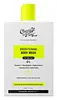 Key Ingredients
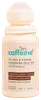
Benefits
Concerns
Ingredients Side-by-side
Water
Skin ConditioningCocamidopropyl Betaine
Cleansing



Sodium C14-16 Olefin Sulfonate
Cleansing
Sorbitol
Humectant

Glycerin
Humectant
Niacinamide
Smoothing









Sodium Lauroyl Sarcosinate
CleansingPEG-150 Distearate
Emulsifying
Glycolic Acid
Buffering

Parfum
Masking

PEG-7 Glyceryl Cocoate
Emulsifying
3-O-Ethyl Ascorbic Acid
Skin Conditioning
Alpha-Arbutin
Antioxidant

Amorphophallus Konjac Root Powder
Abrasive
Oryza Sativa Cera
Skin ConditioningPhospholipids
Skin Conditioning
Sphingolipids
Emollient
Guar Hydroxypropyltrimonium Chloride
Skin ConditioningPropanediol
Solvent
Myrciaria Dubia Fruit Extract
Skin ConditioningPhenoxyethanol
Preservative
CI 19140
Cosmetic ColorantDisodium EDTA
ChelatingSodium Hydroxide
BufferingWater, Cocamidopropyl Betaine, Sodium C14-16 Olefin Sulfonate, Sorbitol, Glycerin, Niacinamide, Sodium Lauroyl Sarcosinate, PEG-150 Distearate, Glycolic Acid, Parfum, PEG-7 Glyceryl Cocoate, 3-O-Ethyl Ascorbic Acid, Alpha-Arbutin, Amorphophallus Konjac Root Powder, Oryza Sativa Cera, Phospholipids, Sphingolipids, Guar Hydroxypropyltrimonium Chloride, Propanediol, Myrciaria Dubia Fruit Extract, Phenoxyethanol, CI 19140, Disodium EDTA, Sodium Hydroxide
Water
Skin ConditioningLactic Acid
Buffering
3-O-Ethyl Ascorbic Acid
Skin Conditioning
Parfum
Masking
Sodium Hydroxide
BufferingPropylene Glycol
Humectant
Polyacrylate Crosspolymer-6
Emulsion StabilisingGlycyrrhiza Glabra Root Extract
Bleaching
Caffeine
Skin Conditioning
Coffea Canephora Seed Extract
EmollientMandelic Acid
Antimicrobial
Silver Citrate
AntimicrobialSodium Hyaluronate
Humectant
Polysorbate 80
Emulsifying
Sodium Benzoate
Masking
Potassium Sorbate
Preservative
Sodium Metabisulfite
Antioxidant
Allantoin
Skin Conditioning
Citric Acid
Buffering
Water, Lactic Acid, 3-O-Ethyl Ascorbic Acid, Parfum, Sodium Hydroxide, Propylene Glycol, Polyacrylate Crosspolymer-6, Glycyrrhiza Glabra Root Extract, Caffeine, Coffea Canephora Seed Extract, Mandelic Acid, Silver Citrate, Sodium Hyaluronate, Polysorbate 80, Sodium Benzoate, Potassium Sorbate, Sodium Metabisulfite, Allantoin, Citric Acid
Ingredients Explained
These ingredients are found in both products.
Ingredients higher up in an ingredient list are typically present in a larger amount.
3-O-Ethyl Ascorbic Acid is one of the most popular "stable" vitamin C derivatives in skincare.
Plain ascorbic acid is fantastic but notoriously fragile; it browns, oxidizes, and loses potency fast. So attaching an ethyl group to the third carbon of the molecule gives it some cool perks:
In a formula, it does the 3 classic vitamin C jobs: it acts as an antioxidant, helps brighten skin tone by inhibiting tyrosinase, and supports collagen.
The evidence is reasonably solid for a cosmetic ingredient; Liao and colleagues (2018) showed it's significantly more stable than ascorbic acid while still being effective.
A 2021 study by Zerbinati and colleagues tested a serum with 30% 3-O-ethyl-l-ascorbic acid and 1% lactic acid significantly increased collagen production, reduced UVB-induced DNA damage, and decreased melanin on a reconstructed pigmented skin model.
Typical real world usage sits around 0.5-5% (and 1-2% is common for daily serums).
Amounts up to 30% have been shown to be non-irritating on human skin samples, but two isolated cases reported allergic contact dermatitis so a patch test is sensible if you have reactive skin.
Learn more about 3-O-Ethyl Ascorbic AcidParfum is a catch-all term for an ingredient or more that is used to give a scent to products.
Also called "fragrance", this ingredient can be a blend of hundreds of chemicals or plant oils. This means every product with "fragrance" or "parfum" in the ingredients list is a different mixture.
For instance, Habanolide is a proprietary trade name for a specific aroma chemical. When used as a fragrance ingredient in cosmetics, most aroma chemicals fall under the broad labeling category of “FRAGRANCE” or “PARFUM” according to EU and US regulations.
The term 'parfum' or 'fragrance' is not regulated in many countries. In many cases, it is up to the brand to define this term.
For instance, many brands choose to label themselves as "fragrance-free" because they are not using synthetic fragrances. However, their products may still contain ingredients such as essential oils that are considered a fragrance by INCI standards.
One example is Calendula flower extract. Calendula is an essential oil that still imparts a scent or 'fragrance'.
Depending on the blend, the ingredients in the mixture can cause allergies and sensitivities on the skin. Some ingredients that are known EU allergens include linalool and citronellol.
Parfum can also be used to mask or cover an unpleasant scent.
The bottom line is: not all fragrances/parfum/ingredients are created equally. If you are worried about fragrances, we recommend taking a closer look at an ingredient. And of course, we always recommend speaking with a professional.
Learn more about ParfumSodium Hydroxide is also known as lye or caustic soda. It is used to adjust the pH of products; many ingredients require a specific pH to be effective.
In small amounts, sodium hydroxide is considered safe to use. However, large amounts may cause chemical burns due to its high alkaline.
Your skin has a natural pH and acid mantle. This acid mantle helps prevent harmful bacteria from breaking through. The acid mantle also helps keep your skin hydrated.
"Alkaline" refers to a high pH level. A low pH level would be considered acidic.
Learn more about Sodium HydroxideWater. It's the most common cosmetic ingredient of all. You'll usually see it at the top of ingredient lists, meaning that it makes up the largest part of the product.
So why is it so popular? Water most often acts as a solvent - this means that it helps dissolve other ingredients into the formulation.
You'll also recognize water as that liquid we all need to stay alive. If you see this, drink a glass of water. Remember to stay hydrated!
Learn more about Water

