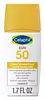
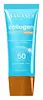
Cetaphil Sheer Mineral Face Liquid Sunscreen Broad Spectrum SPF 50 Versus Hanasui Collagen Water Sunscreen SPF 50 PA++++
This hybrid sunscreen covers the full UV range and blocks ~98% of UVB at SPF 50.
This chemical sunscreen covers the full UV range and blocks ~98% of UVB at SPF 50.


What's inside
What's inside
 Key Ingredients
Benefits
Concerns
No concerns
Ingredients Side-by-side
Zinc Oxide 12%
Cosmetic Colorant


Allantoin
Skin Conditioning




Bisabolol
Antioxidant
Butyloctyl Salicylate
Skin Conditioning
C12-15 Alkyl Benzoate
AntimicrobialCaprylyl Glycol
Emollient
Caprylyl Methicone
Skin Conditioning
Dimethicone
Emollient
Dimethiconol
Emollient
Ethylhexylglycerin
Skin ConditioningHexylene Glycol
EmulsifyingIsododecane
EmollientLauryl PEG-10 Tris(Trimethylsiloxy)Silylethyl Dimethicone
Emulsifying
Lauryl PEG-8 Dimethicone
Surfactant
Niacinamide
Smoothing






Octyldodecyl Neopentanoate
EmollientPEG-10
HumectantPhenoxyethanol
Preservative
Polymethylsilsesquioxane
Propanediol
Solvent
Sodium Chloride
MaskingSodium Hydroxide
BufferingTetrasodium Glutamate Diacetate
ChelatingTocopherol
Antioxidant
Trilaureth-4 Phosphate
EmulsifyingWater
Skin ConditioningZinc Oxide 12%, Allantoin, Bisabolol, Butyloctyl Salicylate, C12-15 Alkyl Benzoate, Caprylyl Glycol, Caprylyl Methicone, Dimethicone, Dimethiconol, Ethylhexylglycerin, Hexylene Glycol, Isododecane, Lauryl PEG-10 Tris(Trimethylsiloxy)Silylethyl Dimethicone, Lauryl PEG-8 Dimethicone, Niacinamide, Octyldodecyl Neopentanoate, PEG-10, Phenoxyethanol, Polymethylsilsesquioxane, Propanediol, Sodium Chloride, Sodium Hydroxide, Tetrasodium Glutamate Diacetate, Tocopherol, Trilaureth-4 Phosphate, Water
Water
Skin ConditioningDiethylamino Hydroxybenzoyl Hexyl Benzoate
UV Filter
Ethylhexyl Methoxycinnamate
UV Absorber
Neopentyl Glycol Diheptanoate
EmollientBis-Ethylhexyloxyphenol Methoxyphenyl Triazine
UV Absorber
Butyloctyl Salicylate
Skin Conditioning
Tris-Biphenyl Triazine
UV Absorber
Ethylhexyl Triazone
UV Absorber
Polyester-7
Skin ConditioningButylene Glycol
Humectant
Dimethicone
Emollient
Glycerin
Humectant
Sodium Polyacrylate
Absorbent
Hydrogenated Polydecene
EmollientPhenoxyethanol
Preservative
Decyl Glucoside
Cleansing
1,2-Hexanediol
Skin Conditioning
Trideceth-6
EmulsifyingLactobacillus/Collagen Ferment Filtrate
Humectant
Collagen
Moisturising
Tocopheryl Acetate
Antioxidant
Biosaccharide Gum-4
Skin Conditioning
Disodium Phosphate
BufferingXanthan Gum
EmulsifyingSodium Hyaluronate
Humectant
Artemisia Vulgaris Extract
Skin Conditioning
Sodium Hydroxide
BufferingWater, Diethylamino Hydroxybenzoyl Hexyl Benzoate, Ethylhexyl Methoxycinnamate, Neopentyl Glycol Diheptanoate, Bis-Ethylhexyloxyphenol Methoxyphenyl Triazine, Butyloctyl Salicylate, Tris-Biphenyl Triazine, Ethylhexyl Triazone, Polyester-7, Butylene Glycol, Dimethicone, Glycerin, Sodium Polyacrylate, Hydrogenated Polydecene, Phenoxyethanol, Decyl Glucoside, 1,2-Hexanediol, Trideceth-6, Lactobacillus/Collagen Ferment Filtrate, Collagen, Tocopheryl Acetate, Biosaccharide Gum-4, Disodium Phosphate, Xanthan Gum, Sodium Hyaluronate, Artemisia Vulgaris Extract, Sodium Hydroxide
Reviews
Ingredients Explained
These ingredients are found in both products.
Ingredients higher up in an ingredient list are typically present in a larger amount.
Butyloctyl Salicylate is a chemical UV filter structurally similar to octisalate. It is a photostabilizer, SPF booster, emollient and solvent. This ingredient helps evenly spread out ingredients.
According to a manufacturer, it is suitable for pairing with micro Titanium Dioxide, Zinc Oxide, and pigments.
Photostabilizers help stabilize UV-filters and prevents them from degrading quickly.
Learn more about Butyloctyl SalicylateDimethicone is a type of synthetic silicone created from natural materials such as quartz. It is also known as polydimethylsiloxane.
What it does:
Dimethicone comes in different viscosities:
Depending on the viscosity, dimethicone has different properties.
Ingredients lists don't always show which type is used, so we recommend reaching out to the brand if you have questions about the viscosity.
This ingredient is unlikely to cause irritation because it does not get absorbed into skin. However, people with silicone allergies should be careful about using this ingredient.
Note: Dimethicone may contribute to pilling. This is because it is not oil or water soluble, so pilling may occur when layered with products. When mixed with heavy oils in a formula, the outcome is also quite greasy.
Learn more about DimethiconePhenoxyethanol is one of the most widely used preservatives in skincare (and for good reason!).
It has a large spectrum of antimicrobial activity and especially effective bacteria, yeast, and mold while only having a weak effect on your skin's natural microbiome.
On a cellular level, it disrupts the cell membranes of microbes by poking holes that make the cell leak. This shuts down the chemical reactions the microbe needs to make energy so it can no longer survive.
Another perk of this ingredient is that it stays functional across a wide pH range (3-10).
You'll often see it paired with boosters like Ethylhexylglycerin; one study showed that a 1:9 ratio of Ethylhexylglycerin to Phenoxyethanol damages bacterial membranes as effectively as doubling the Phenoxyethanol concentration on its own.
Typical use concentrations range from 0.3-1% depending on the formula, and this ingredient is capped at 1% int the EU.
Safety-wise, the fear mongering does not hold up to the evidence. The EU's Scientific Committee on Consumer Safety and FDA consider it safe as a preservative at up to 1%, including for children of all ages.
Adverse systemic effects only showed up in animal studies at exposures roughly 200x higher than what people get from cosmetics. And despite its very widespread use, this ingredient is a rare sensitizer and allergic reactions are uncommon.
Learn more about PhenoxyethanolSodium Hydroxide is also known as lye or caustic soda. It is used to adjust the pH of products; many ingredients require a specific pH to be effective.
In small amounts, sodium hydroxide is considered safe to use. However, large amounts may cause chemical burns due to its high alkaline.
Your skin has a natural pH and acid mantle. This acid mantle helps prevent harmful bacteria from breaking through. The acid mantle also helps keep your skin hydrated.
"Alkaline" refers to a high pH level. A low pH level would be considered acidic.
Learn more about Sodium HydroxideWater. It's the most common cosmetic ingredient of all. You'll usually see it at the top of ingredient lists, meaning that it makes up the largest part of the product.
So why is it so popular? Water most often acts as a solvent - this means that it helps dissolve other ingredients into the formulation.
You'll also recognize water as that liquid we all need to stay alive. If you see this, drink a glass of water. Remember to stay hydrated!
Learn more about Water

