

What's inside
What's inside
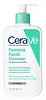 Key Ingredients
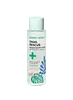
Benefits
Concerns
Ingredients Side-by-side
Water
Skin ConditioningCocamidopropyl Hydroxysultaine
Cleansing
Glycerin
Humectant


Sodium Lauroyl Sarcosinate
CleansingPEG-150 Pentaerythrityl Tetrastearate
Emulsifying
Niacinamide
Smoothing









PEG-6 Caprylic/Capric Glycerides
EmulsifyingSodium Methyl Cocoyl Taurate
Cleansing
Propylene Glycol
Humectant

Ceramide NP
Skin Conditioning
Ceramide AP
Skin Conditioning
Ceramide EOP
Skin Conditioning
Carbomer
Emulsion StabilisingMethylparaben
Preservative


Sodium Chloride
MaskingSodium Lauroyl Lactylate
EmulsifyingCholesterol
Emollient
Disodium EDTA
Propylparaben
Preservative
Citric Acid
Buffering
Tetrasodium EDTA
Hydrolyzed Hyaluronic Acid
Humectant
Phytosphingosine
Skin Conditioning
Xanthan Gum
EmulsifyingWater, Cocamidopropyl Hydroxysultaine, Glycerin, Sodium Lauroyl Sarcosinate, PEG-150 Pentaerythrityl Tetrastearate, Niacinamide, PEG-6 Caprylic/Capric Glycerides, Sodium Methyl Cocoyl Taurate, Propylene Glycol, Ceramide NP, Ceramide AP, Ceramide EOP, Carbomer, Methylparaben, Sodium Chloride, Sodium Lauroyl Lactylate, Cholesterol, Disodium EDTA, Propylparaben, Citric Acid, Tetrasodium EDTA, Hydrolyzed Hyaluronic Acid, Phytosphingosine, Xanthan Gum



Reviews
Ingredients Explained
These ingredients are found in both products.
Ingredients higher up in an ingredient list are typically present in a larger amount.
Citric Acid is an alpha hydroxy acid (AHA) naturally found in citrus fruits like oranges, lemons, and limes.
Like other AHAs, citric acid can exfoliate skin by breaking down the bonds that hold dead skin cells together. This helps reveal smoother and brighter skin underneath.
However, this exfoliating effect only happens at high concentrations (20%) which can be hard to find in cosmetic products.
Due to this, citric acid is usually included in small amounts as a pH adjuster. This helps keep products slightly more acidic and compatible with skin's natural pH.
In skincare formulas, citric acid can:
While it can provide some skin benefits, research shows lactic acid and glycolic acid are generally more effective and less irritating exfoliants.
Most citric acid used in skincare today is made by fermenting sugars (usually from molasses). This synthetic version is identical to the natural citrus form but easier to stabilize and use in formulations.
Read more about some other popular AHA's here:
Learn more about Citric AcidHydrolyzed Hyaluronic Acid is hyaluronic acid (HA) that is broken down into lower molecular weight fragments.
It's a humectant that pulls and holds water in the skin to help with hydration, plumpness, and reduce transepidermal water loss.
Because hydrolyzed hyaluronic acid is smaller in size, it can slip past your outermost layer of skin more easily than full-sized HA.
Most formulations will combine all sizes to get the best of both worlds.
Typical usage levels range from 0.01-1%. Any percentage higher than 2% might become goopy and tacky.
Learn more about Hydrolyzed Hyaluronic AcidXanthan gum is used as a stabilizer and thickener within cosmetic products. It helps give products a sticky, thick feeling - preventing them from being too runny.
On the technical side of things, xanthan gum is a polysaccharide - a combination consisting of multiple sugar molecules bonded together.
Xanthan gum is a pretty common and great ingredient. It is a natural, non-toxic, non-irritating ingredient that is also commonly used in food products.
Learn more about Xanthan Gum
