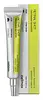
This anti-aging treatment is formulated around Niacinamide and Retinal to soften the look of wrinkles and refine skin texture.
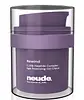
This anti-aging moisturizer is formulated around Acetyl Hexapeptide-8 and Magnesium Ascorbyl Phosphate to soften the look of wrinkles and refine skin texture.


What's inside
What's inside
 Key Ingredients
Benefits
Concerns
Ingredients Side-by-side
Water
Skin ConditioningButylene Glycol
Humectant

Glycerin
Humectant
Caprylic/Capric Triglyceride
Masking
Cetearyl Alcohol
Emollient





Niacinamide
Smoothing









Diisostearyl Malate
Emollient1,2-Hexanediol
Skin Conditioning
Polypropylsilsesquioxane

Panthenol
Skin Conditioning
Cetearyl Olivate
Cetearyl Glucoside
Emulsifying
Sorbitan Olivate
Emulsifying
Hydroxyethyl Acrylate/Sodium Acryloyldimethyl Taurate Copolymer
Emulsion StabilisingLecithin
Emollient
Carbomer
Emulsion StabilisingArginine
Masking
Dimethicone/Vinyl Dimethicone Crosspolymer
Skin Conditioning
Tocopherol
Antioxidant

Retinal 0.1%
Skin Conditioning

Xanthan Gum
EmulsifyingEthylhexylglycerin
Skin ConditioningAdenosine
Skin Conditioning
Sorbitan Isostearate
Emulsifying
Sodium Lactate
Buffering
Hydrolyzed Sponge
Skin ConditioningDisodium EDTA
ChelatingPolysorbate 20
Emulsifying
Ascorbic Acid
Antioxidant
Glucose
Humectant
Palmitoyl Tripeptide-1
Skin Conditioning
Palmitoyl Tetrapeptide-7
Skin Conditioning
Water, Butylene Glycol, Glycerin, Caprylic/Capric Triglyceride, Cetearyl Alcohol, Niacinamide, Diisostearyl Malate, 1,2-Hexanediol, Polypropylsilsesquioxane, Panthenol, Cetearyl Olivate, Cetearyl Glucoside, Sorbitan Olivate, Hydroxyethyl Acrylate/Sodium Acryloyldimethyl Taurate Copolymer, Lecithin, Carbomer, Arginine, Dimethicone/Vinyl Dimethicone Crosspolymer, Tocopherol, Retinal 0.1%, Xanthan Gum, Ethylhexylglycerin, Adenosine, Sorbitan Isostearate, Sodium Lactate, Hydrolyzed Sponge, Disodium EDTA, Polysorbate 20, Ascorbic Acid, Glucose, Palmitoyl Tripeptide-1, Palmitoyl Tetrapeptide-7
Water
Skin ConditioningAcetyl Hexapeptide-8
Humectant
Sodium Benzoate
Masking
C13-15 Alkane
SolventPropylene Glycol
Humectant
Butylene Glycol
Humectant
Octyldodecanol
Emollient
Octyldodecyl Xyloside
EmulsifyingPEG-30 Dipolyhydroxystearate
Emulsifying
Polyacrylate-13
Polyisobutene
Polysorbate 20
Emulsifying
Hydroxyethyl Acrylate/Sodium Acryloyldimethyl Taurate Copolymer
Emulsion StabilisingXylitylglucoside
Humectant
Anhydroxylitol
Humectant
Xylitol
Humectant
Magnesium Ascorbyl Phosphate
Antioxidant
Mandelic Acid
Antimicrobial
Whey Protein
Skin ConditioningPhenoxyethanol
Preservative
Ethylhexylglycerin
Skin ConditioningOctenidine Hcl
AntimicrobialSodium Gluconate
ChelatingWater, Acetyl Hexapeptide-8, Sodium Benzoate, C13-15 Alkane, Propylene Glycol, Butylene Glycol, Octyldodecanol, Octyldodecyl Xyloside, PEG-30 Dipolyhydroxystearate, Polyacrylate-13, Polyisobutene, Polysorbate 20, Hydroxyethyl Acrylate/Sodium Acryloyldimethyl Taurate Copolymer, Xylitylglucoside, Anhydroxylitol, Xylitol, Magnesium Ascorbyl Phosphate, Mandelic Acid, Whey Protein, Phenoxyethanol, Ethylhexylglycerin, Octenidine Hcl, Sodium Gluconate
Reviews
Ingredients Explained
These ingredients are found in both products.
Ingredients higher up in an ingredient list are typically present in a larger amount.
Butylene Glycol (or BG) is used within cosmetic products for a few different reasons:
Overall, Butylene Glycol is a safe and well-rounded ingredient that works well with other ingredients.
Though this ingredient works well with most skin types, some people with sensitive skin may experience a reaction such as allergic rashes, closed comedones, or itchiness.
Learn more about Butylene GlycolEthylhexylglycerin is created from glycerin. It is a multitasker ingredient that:
The CIR Expert Panel found minimal skin absorption or sensitization of any kind in a safety assessment. Though this ingredient is considered well-tolerated, a small number of cases of allergic dermatitis have been published since 2002. Just be sure to patch test if you are unsure.
Industry-reported use ranges from 8% in rinse-off products and 2% in leave-on formulations.
Learn more about EthylhexylglycerinThis is a synthetic polymer. It helps improve the texture of products by adding thickness and gel-like feel.
It is also an emulsifer, meaning it prevents ingredients such as oil and water from separating. It also helps evenly disperse other ingredients.
Polysorbate 20 is a gentle, water-soluble emulsifier and mild surfactant. It stops oil and water from separating to keep your formulas blended and stable.
It also acts as a mild penetration enhancer by helping active ingredients absorb slightly better.
The common safety discussion around this ingredient involves a manufacturing byproduct called 1,4-dioxane.
Trace amounts can form during production but the EU's Scientific Committee on Consumer Safety has concluded that levels at/below 10 ppm in finished products are safe (commercial products consistently fall within acceptable margins).
True allergic reactions are uncommon and the CIR Expert Panel has confirmed this ingredient to be safe as used in cosmetics.
Because it is derived from lauric acid, it may not be fungal acne safe.
Learn more about Polysorbate 20Water. It's the most common cosmetic ingredient of all. You'll usually see it at the top of ingredient lists, meaning that it makes up the largest part of the product.
So why is it so popular? Water most often acts as a solvent - this means that it helps dissolve other ingredients into the formulation.
You'll also recognize water as that liquid we all need to stay alive. If you see this, drink a glass of water. Remember to stay hydrated!
Learn more about Water

