

What's inside
What's inside
 Key Ingredients
Benefits
Concerns
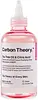
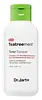
Ingredients Side-by-side
Water
Skin ConditioningSodium Lactate
Buffering
Lactic Acid
Buffering










Vaccinium Myrtillus Fruit Extract
Skin ConditioningHeptyl Glucoside
SurfactantPolysorbate 20
Emulsifying
Phenoxyethanol
Preservative
Saccharum Officinarum Extract
MoisturisingCitric Acid
Buffering
Citrus Aurantium Dulcis Fruit Extract
MaskingCitrus Limon Fruit Extract
Masking
Glycerin
Humectant
Melaleuca Alternifolia Leaf Oil
Antioxidant




Ethylhexylglycerin
Skin ConditioningAcer Saccharum Extract
Skin ConditioningSalix Alba Bark Extract
Astringent
Spiraea Ulmaria Leaf Extract
Skin ConditioningCitrus Limon Peel Oil
Masking

Citrus Limon Fruit Oil
Astringent
Potassium Sorbate
Preservative
Sodium Benzoate
Masking
Tocopherol
Antioxidant

Limonene
Perfuming
Water, Sodium Lactate, Lactic Acid, Vaccinium Myrtillus Fruit Extract, Heptyl Glucoside, Polysorbate 20, Phenoxyethanol, Saccharum Officinarum Extract, Citric Acid, Citrus Aurantium Dulcis Fruit Extract, Citrus Limon Fruit Extract, Glycerin, Melaleuca Alternifolia Leaf Oil, Ethylhexylglycerin, Acer Saccharum Extract, Salix Alba Bark Extract, Spiraea Ulmaria Leaf Extract, Citrus Limon Peel Oil, Citrus Limon Fruit Oil, Potassium Sorbate, Sodium Benzoate, Tocopherol, Limonene
Anthemis Nobilis Flower Extract
Masking
Camellia Sinensis Leaf Extract
Antimicrobial
Glycyrrhiza Glabra Rhizome/Root
EmollientHamamelis Virginiana Extract
Antiseborrhoeic
Sodium Citrate
BufferingCinnamomum Zeylanicum Bark Extract
Antimicrobial
Pinus Pinaster Bark Extract
Antioxidant
Melaleuca Alternifolia Leaf Oil
Antioxidant
Ethylhexylglycerin
Skin ConditioningCitric Acid
Buffering
Disodium EDTA
Hydrogenated Lecithin
Emulsifying
Capryloyl Glycine
CleansingHexylene Glycol
EmulsifyingOctyldodeceth-16
EmulsifyingAllantoin
Skin Conditioning
Sarcosine
Skin Conditioning
Ceramide NP
Skin Conditioning
Camphor
Masking
Carthamus Tinctorius Seed Oil
Masking
1,2-Hexanediol
Skin Conditioning
Silica
Abrasive
Glycine Soja Sterols
Emollient
Linoleic Acid
Cleansing
Phospholipids
Skin Conditioning
4-Terpineol
Masking
Methyl Methacrylate Crosspolymer
Salicylic Acid
Masking
Anthemis Nobilis Flower Extract, Camellia Sinensis Leaf Extract, Glycyrrhiza Glabra Rhizome/Root, Hamamelis Virginiana Extract, Sodium Citrate, Cinnamomum Zeylanicum Bark Extract, Pinus Pinaster Bark Extract, Melaleuca Alternifolia Leaf Oil, Ethylhexylglycerin, Citric Acid, Disodium EDTA, Hydrogenated Lecithin, Capryloyl Glycine, Hexylene Glycol, Octyldodeceth-16, Allantoin, Sarcosine, Ceramide NP, Camphor, Carthamus Tinctorius Seed Oil, 1,2-Hexanediol, Silica, Glycine Soja Sterols, Linoleic Acid, Phospholipids, 4-Terpineol, Methyl Methacrylate Crosspolymer, Salicylic Acid
Alternatives
Ingredients Explained
These ingredients are found in both products.
Ingredients higher up in an ingredient list are typically present in a larger amount.
Citric Acid is an alpha hydroxy acid (AHA) naturally found in citrus fruits like oranges, lemons, and limes.
Like other AHAs, citric acid can exfoliate skin by breaking down the bonds that hold dead skin cells together. This helps reveal smoother and brighter skin underneath.
However, this exfoliating effect only happens at high concentrations (20%) which can be hard to find in cosmetic products.
Due to this, citric acid is usually included in small amounts as a pH adjuster. This helps keep products slightly more acidic and compatible with skin's natural pH.
In skincare formulas, citric acid can:
While it can provide some skin benefits, research shows lactic acid and glycolic acid are generally more effective and less irritating exfoliants.
Most citric acid used in skincare today is made by fermenting sugars (usually from molasses). This synthetic version is identical to the natural citrus form but easier to stabilize and use in formulations.
Read more about some other popular AHA's here:
Learn more about Citric AcidEthylhexylglycerin is created from glycerin. It is a multitasker ingredient that:
The CIR Expert Panel found minimal skin absorption or sensitization of any kind in a safety assessment. Though this ingredient is considered well-tolerated, a small number of cases of allergic dermatitis have been published since 2002. Just be sure to patch test if you are unsure.
Industry-reported use ranges from 8% in rinse-off products and 2% in leave-on formulations.
Learn more about EthylhexylglycerinThis ingredient is also known as tea tree oil. It has antioxidant, anti-inflammatory, and antimicrobial properties.
Tea tree oil is a complex lipophilic (fat-loving) oil that contains around 100 compounds with terpinen-4-ol being the most abundant (~40%).
Terpinen-4-ol is responsible for tea tree oil's broad-spectrum antimicrobial activity and makes it a well-researched option for acne.
Clinical studies support 5% tea tree oil as an effective topical treatment for mild to moderate acne. A study with 124 patients compared 5% tea tree oil gel to 5% benzoyl peroxide and both reduced acne (though tea tree oil worked more slowly).
Besides acne, it is also seen in anti-dandruff shampoos and scalp treatments for it's antimicrobial and anti-seborrheic properties.
Safety-wise, the allergic potential of low concentrations on healthy skin is considered low. However, oxidized (old or improperly stored) tea tree oil is a stronger sensitizer.
Irritation can also occur if using the undiluted oil on skin; it's best to use this ingredient as part of a carefully crafted cosmetic formula. This is because regulations require tea tree oil in cosmetics to be stabilized to prevent degradation.
This ingredient has been deemed safe up to 2% in shampoo, 1% in cleansers, and 0.1% in face cream by the EU's Scientific Committee on Consumer Safety (SCCS).
There is some lab evidence that tea tree oil is antifungal against Malassezia, but it is a supportive option at best and not a replacement for proven antifungal treatments.
Learn more about Melaleuca Alternifolia Leaf Oil

