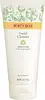
This cream cleanser uses mild cleansing ingredients, but contains alcohol that may feel drying for some.


What's inside
What's inside
 Key Ingredients
Benefits
Concerns
Ingredients Side-by-side
Water
Skin ConditioningHelianthus Annuus Seed Oil
Emollient



Glycerin
Humectant

Cetyl Alcohol
Emollient

Beeswax
Emulsion Stabilising


Sucrose Stearate
EmollientCetearyl Alcohol
Emollient
Cocos Nucifera Oil
Masking
Gossypium Herbaceum Flower Extract
HumectantOryza Sativa Extract
Absorbent


Beta Vulgaris Root Extract
Skin ConditioningQuillaja Saponaria Bark Extract
CleansingTheobroma Cacao Seed Butter
Emollient
Yucca Schidigera Leaf/Root/Stem Extract
CleansingArtemisia Umbelliformis Extract
Skin ConditioningEuphrasia Officinalis Extract
AntimicrobialHamamelis Virginiana Water
Astringent

Saccharum Officinarum Extract
MoisturisingAloe Barbadensis Leaf Juice
Skin Conditioning
Silica
Abrasive


Sucrose
Humectant
Fructose
Humectant
Glucose
Humectant
Coco-Glucoside
Cleansing
Maltodextrin
Absorbent
Citric Acid
Buffering

Benzoic Acid
Masking
Trehalose
Humectant
Xanthan Gum
EmulsifyingPotassium Sorbate
Preservative
Sodium Benzoate
Masking
CI 77947
Alcohol Denat.
Antimicrobial
Phenoxyethanol
Preservative
Water, Helianthus Annuus Seed Oil, Glycerin, Cetyl Alcohol, Beeswax, Sucrose Stearate, Cetearyl Alcohol, Cocos Nucifera Oil, Gossypium Herbaceum Flower Extract, Oryza Sativa Extract, Beta Vulgaris Root Extract, Quillaja Saponaria Bark Extract, Theobroma Cacao Seed Butter, Yucca Schidigera Leaf/Root/Stem Extract, Artemisia Umbelliformis Extract, Euphrasia Officinalis Extract, Hamamelis Virginiana Water, Saccharum Officinarum Extract, Aloe Barbadensis Leaf Juice, Silica, Sucrose, Fructose, Glucose, Coco-Glucoside, Maltodextrin, Citric Acid, Benzoic Acid, Trehalose, Xanthan Gum, Potassium Sorbate, Sodium Benzoate, CI 77947, Alcohol Denat., Phenoxyethanol
Water
Skin ConditioningZinc Coceth Sulfate
Cleansing
Lauryl Betaine
CleansingDecyl Glucoside
Cleansing
Ceteareth-60 Myristyl Glycol
EmulsifyingPEG-7 Glyceryl Cocoate
Emulsifying
Polysorbate 20
Emulsifying
Citric Acid
Buffering
Parfum
Masking
CI 61570
Cosmetic ColorantIsopropyl Alcohol
Solvent
PEG-40 Hydrogenated Castor Oil
Emulsifying
PEG-6
HumectantPPG-26-Buteth-26
Skin ConditioningSilybum Marianum Fruit Extract
Skin Conditioning
Sodium Benzoate
Masking
Sodium Chloride
MaskingSodium Hydroxide
BufferingTrisodium Ethylenediamine Disuccinate
CI 19140
Cosmetic ColorantZinc Gluconate
Skin Conditioning

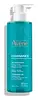
Water, Zinc Coceth Sulfate, Lauryl Betaine, Decyl Glucoside, Ceteareth-60 Myristyl Glycol, PEG-7 Glyceryl Cocoate, Polysorbate 20, Citric Acid, Parfum, CI 61570, Isopropyl Alcohol, PEG-40 Hydrogenated Castor Oil, PEG-6, PPG-26-Buteth-26, Silybum Marianum Fruit Extract, Sodium Benzoate, Sodium Chloride, Sodium Hydroxide, Trisodium Ethylenediamine Disuccinate, CI 19140, Zinc Gluconate
Reviews
Alternatives
Ingredients Explained
These ingredients are found in both products.
Ingredients higher up in an ingredient list are typically present in a larger amount.
Citric Acid is an alpha hydroxy acid (AHA) naturally found in citrus fruits like oranges, lemons, and limes.
Like other AHAs, citric acid can exfoliate skin by breaking down the bonds that hold dead skin cells together. This helps reveal smoother and brighter skin underneath.
However, this exfoliating effect only happens at high concentrations (20%) which can be hard to find in cosmetic products.
Due to this, citric acid is usually included in small amounts as a pH adjuster. This helps keep products slightly more acidic and compatible with skin's natural pH.
In skincare formulas, citric acid can:
While it can provide some skin benefits, research shows lactic acid and glycolic acid are generally more effective and less irritating exfoliants.
Most citric acid used in skincare today is made by fermenting sugars (usually from molasses). This synthetic version is identical to the natural citrus form but easier to stabilize and use in formulations.
Rosacea skin has a lower threshold for acids generally, with 62.5% of rosacea subjects in one study reacting to lactic acid in a sting test. This is why we mark citric acid as a potential rosacea trigger.
However, this ingredient shows up as a pH adjuster or chelator at roughly 0.1-1% in many products. These low levels are unlikely to be an issue for rosacea skin and becomes a potential trigger at exfoliating concentrations (20%). Because everybody's skin is unique, we recommend a patch test if you are unsure.
Learn more about Citric AcidSodium Benzoate is a preservative. It's used in both cosmetic and food products to inhibit the growth of mold and bacteria. It is typically produced synthetically.
Both the US FDA and EU Health Committee have approved the use of sodium benzoate. In the US, levels of 0.1% (of the total product) are allowed.
Sodium benzoate works as a preservative by inhibiting the growth of bacteria inside of cells. It prevents the cell from fermenting a type of sugar using an enzyme called phosphofructokinase.
It is the salt of benzoic acid. Foods containing sodium benzoate include soda, salad dressings, condiments, fruit juices, wines, and snack foods.
Studies for using ascorbic acid and sodium benzoate in cosmetics are lacking, especially in skincare routines with multiple steps.
We always recommend speaking with a professional, such as a dermatologist, if you have any concerns.
Learn more about Sodium BenzoateWater. It's the most common cosmetic ingredient of all. You'll usually see it at the top of ingredient lists, meaning that it makes up the largest part of the product.
So why is it so popular? Water most often acts as a solvent - this means that it helps dissolve other ingredients into the formulation.
You'll also recognize water as that liquid we all need to stay alive. If you see this, drink a glass of water. Remember to stay hydrated!
Learn more about Water

