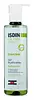
This salicylic acid gel cleanser is formulated around Salicylic Acid to clear breakouts and unclog pores.


What's inside
What's inside
 Key Ingredients
Benefits
Concerns
Ingredients Side-by-side



Water
Skin ConditioningZinc Coceth Sulfate
Cleansing
Lauryl Betaine
CleansingDecyl Glucoside
Cleansing
Ceteareth-60 Myristyl Glycol
EmulsifyingPEG-7 Glyceryl Cocoate
Emulsifying



Polysorbate 20
Emulsifying
Citric Acid
Buffering

Parfum
Masking


CI 61570
Cosmetic ColorantIsopropyl Alcohol
Solvent
PEG-40 Hydrogenated Castor Oil
Emulsifying
PEG-6
HumectantPPG-26-Buteth-26
Skin ConditioningSilybum Marianum Fruit Extract
Skin Conditioning
Sodium Benzoate
Masking
Sodium Chloride
MaskingSodium Hydroxide
BufferingTrisodium Ethylenediamine Disuccinate
CI 19140
Cosmetic ColorantZinc Gluconate
Skin Conditioning



Water, Zinc Coceth Sulfate, Lauryl Betaine, Decyl Glucoside, Ceteareth-60 Myristyl Glycol, PEG-7 Glyceryl Cocoate, Polysorbate 20, Citric Acid, Parfum, CI 61570, Isopropyl Alcohol, PEG-40 Hydrogenated Castor Oil, PEG-6, PPG-26-Buteth-26, Silybum Marianum Fruit Extract, Sodium Benzoate, Sodium Chloride, Sodium Hydroxide, Trisodium Ethylenediamine Disuccinate, CI 19140, Zinc Gluconate
Reviews
Ingredients Explained
These ingredients are found in both products.
Ingredients higher up in an ingredient list are typically present in a larger amount.
CI 19140 is also known as Tartrazine. Tartrazine is a synthetic dye used in cosmetics, foods, and medicine to add a yellow color.
Tartrazine is created from petroleum and is water-soluble.
Some people may experience allergies from this dye, especially asthmatics and those with an aspirin intolerance.
Learn more about CI 19140CI 61570 is a synthetic dye with a green-blue color.
It is water-soluble.
Sodium Benzoate is a preservative. It's used in both cosmetic and food products to inhibit the growth of mold and bacteria. It is typically produced synthetically.
Both the US FDA and EU Health Committee have approved the use of sodium benzoate. In the US, levels of 0.1% (of the total product) are allowed.
Sodium benzoate works as a preservative by inhibiting the growth of bacteria inside of cells. It prevents the cell from fermenting a type of sugar using an enzyme called phosphofructokinase.
It is the salt of benzoic acid. Foods containing sodium benzoate include soda, salad dressings, condiments, fruit juices, wines, and snack foods.
Studies for using ascorbic acid and sodium benzoate in cosmetics are lacking, especially in skincare routines with multiple steps.
We always recommend speaking with a professional, such as a dermatologist, if you have any concerns.
Learn more about Sodium BenzoateSodium Hydroxide is also known as lye or caustic soda. It is used to adjust the pH of products; many ingredients require a specific pH to be effective.
In small amounts, sodium hydroxide is considered safe to use. However, large amounts may cause chemical burns due to its high alkaline.
Your skin has a natural pH and acid mantle. This acid mantle helps prevent harmful bacteria from breaking through. The acid mantle also helps keep your skin hydrated.
"Alkaline" refers to a high pH level. A low pH level would be considered acidic.
Learn more about Sodium Hydroxide

