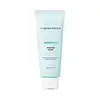
This barrier-repair moisturizer is formulated around Sodium Hyaluronate and Hyaluronic Acid to strengthen the skin barrier and hydrate skin.
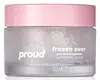
This calming moisturizer is formulated around Aloe Barbadensis Leaf Juice and Sodium Hyaluronate to calm redness and hydrate skin.


What's inside
What's inside
 Key Ingredients
Benefits
Concerns
Ingredients Side-by-side
Water
Skin ConditioningGlycerin
Humectant


Isononyl Isononanoate
Emollient1,2-Hexanediol
Skin Conditioning
Isododecane
EmollientButylene Glycol
Humectant
Chlorella Vulgaris Extract
Skin ConditioningJojoba Esters
Emollient

Hydrolyzed Phyllostachys Bambusoides
HumectantSodium Hyaluronate
Humectant


Malachite Extract
Antioxidant
Xylitylglucoside
Humectant
Xylitol
Humectant
Melia Azadirachta Flower Extract
Skin ConditioningOcimum Sanctum Leaf Extract
Skin ConditioningRosa Indica Flower Extract
Antioxidant
Melia Azadirachta Leaf Extract
Skin ConditioningCurcuma Longa Root Extract
Antioxidant
Corallina Officinalis Extract
Skin Conditioning

Phyllostachys Bambusoides Extract
Skin ConditioningHydrolyzed Hyaluronic Acid
Humectant
Hyaluronic Acid
Humectant
Pentaerythrityl Tetraethylhexanoate
Emollient
Pentylene Glycol
Skin Conditioning
Glucose
Humectant
Acrylates/C10-30 Alkyl Acrylate Crosspolymer
Emulsion StabilisingAmmonium Acryloyldimethyltaurate/Vp Copolymer
Polyglyceryl-3 Methylglucose Distearate
Emulsifying
Tromethamine
BufferingFructooligosaccharides
Humectant
Fructose
Humectant
Glyceryl Acrylate/Acrylic Acid Copolymer
HumectantPanthenol
Skin Conditioning
Ethylhexylglycerin
Skin ConditioningSodium Phytate
ChelatingAnhydroxylitol
Humectant
Tocopherol
Antioxidant


Propanediol
Solvent
Benzyl Glycol
SolventHydrolyzed Glycosaminoglycans
HumectantSodium Hyaluronate Crosspolymer
Humectant
Hydroxypropyltrimonium Hyaluronate
Sodium Acetylated Hyaluronate
Humectant
Water, Glycerin, Isononyl Isononanoate, 1,2-Hexanediol, Isododecane, Butylene Glycol, Chlorella Vulgaris Extract, Jojoba Esters, Hydrolyzed Phyllostachys Bambusoides, Sodium Hyaluronate, Malachite Extract, Xylitylglucoside, Xylitol, Melia Azadirachta Flower Extract, Ocimum Sanctum Leaf Extract, Rosa Indica Flower Extract, Melia Azadirachta Leaf Extract, Curcuma Longa Root Extract, Corallina Officinalis Extract, Phyllostachys Bambusoides Extract, Hydrolyzed Hyaluronic Acid, Hyaluronic Acid, Pentaerythrityl Tetraethylhexanoate, Pentylene Glycol, Glucose, Acrylates/C10-30 Alkyl Acrylate Crosspolymer, Ammonium Acryloyldimethyltaurate/Vp Copolymer, Polyglyceryl-3 Methylglucose Distearate, Tromethamine, Fructooligosaccharides, Fructose, Glyceryl Acrylate/Acrylic Acid Copolymer, Panthenol, Ethylhexylglycerin, Sodium Phytate, Anhydroxylitol, Tocopherol, Propanediol, Benzyl Glycol, Hydrolyzed Glycosaminoglycans, Sodium Hyaluronate Crosspolymer, Hydroxypropyltrimonium Hyaluronate, Sodium Acetylated Hyaluronate
Water
Skin ConditioningPropanediol
Solvent
Glycerin
Humectant
1,2-Hexanediol
Skin Conditioning
Butylene Glycol
Humectant
Sodium Polyacrylate Starch
AbsorbentAmmonium Acryloyldimethyltaurate/Vp Copolymer
Sodium Carbomer
Emulsion StabilisingCitrus Limon Fruit Extract
Masking
Ethylhexylglycerin
Skin ConditioningMenthoxypropanediol
Masking
Aloe Barbadensis Leaf Juice
Skin Conditioning
Nymphaea Alba Flower Extract
Skin ConditioningDisodium EDTA
ChelatingHyaluronic Acid
Humectant
Hydrolyzed Hyaluronic Acid
Humectant
Sodium Hyaluronate
Humectant
Akebia Quinata Extract
Skin ConditioningPhenoxyethanol
Preservative
Betula Platyphylla Japonica Juice
Skin Conditioning
Chamaecyparis Obtusa Water
MaskingPhyllostachys Bambusoides Juice
Skin ConditioningCymbopogon Schoenanthus Extract
Skin ConditioningCitrus Aurantifolia Peel Extract
Cleansing
Mentha Rotundifolia Leaf Extract
TonicAllantoin
Skin Conditioning
Betula Alba Juice
AstringentInonotus Obliquus Extract
Skin ConditioningXylitol
Humectant
Tocopherol
Antioxidant
Water, Propanediol, Glycerin, 1,2-Hexanediol, Butylene Glycol, Sodium Polyacrylate Starch, Ammonium Acryloyldimethyltaurate/Vp Copolymer, Sodium Carbomer, Citrus Limon Fruit Extract, Ethylhexylglycerin, Menthoxypropanediol, Aloe Barbadensis Leaf Juice, Nymphaea Alba Flower Extract, Disodium EDTA, Hyaluronic Acid, Hydrolyzed Hyaluronic Acid, Sodium Hyaluronate, Akebia Quinata Extract, Phenoxyethanol, Betula Platyphylla Japonica Juice, Chamaecyparis Obtusa Water, Phyllostachys Bambusoides Juice, Cymbopogon Schoenanthus Extract, Citrus Aurantifolia Peel Extract, Mentha Rotundifolia Leaf Extract, Allantoin, Betula Alba Juice, Inonotus Obliquus Extract, Xylitol, Tocopherol
Reviews
Ingredients Explained
These ingredients are found in both products.
Ingredients higher up in an ingredient list are typically present in a larger amount.
1,2-Hexanediol is a synthetic liquid and another multi-functional powerhouse.
It is a:
- Humectant, drawing moisture into the skin
- Emollient, helping to soften skin
- Solvent, dispersing and stabilizing formulas
- Preservative booster, enhancing the antimicrobial activity of other preservatives
Ammonium Acryloyldimethyltaurate/Vp Copolymer is a synthetically created polymer. It's used as a film-forming agent and used to thicken the consistency of products.
Think of it as a supportive ingredient that helps your gel-creams feel silky, "cloud cream-like", and spread evenly without being greasy.
The Cosmetic Ingredient Review (CIR) Expert Panel evaluated it (along with 22 other acryloyldimethyltaurate polymers) and concluded it's:
Due to its large molecular size, it sits on the surface of skin rather than penetrating it.
Learn more about Ammonium Acryloyldimethyltaurate/Vp CopolymerButylene Glycol (or BG) is used within cosmetic products for a few different reasons:
Overall, Butylene Glycol is a safe and well-rounded ingredient that works well with other ingredients.
Though this ingredient works well with most skin types, some people with sensitive skin may experience a reaction such as allergic rashes, closed comedones, or itchiness.
Learn more about Butylene GlycolEthylhexylglycerin is created from glycerin. It is a multitasker ingredient that:
The CIR Expert Panel found minimal skin absorption or sensitization of any kind in a safety assessment. Though this ingredient is considered well-tolerated, a small number of cases of allergic dermatitis have been published since 2002. Just be sure to patch test if you are unsure.
Industry-reported use ranges from 8% in rinse-off products and 2% in leave-on formulations.
Learn more about EthylhexylglycerinGlycerin (or glycerol) is a compound naturally found in your skin. It's a powerhouse humectant that pulls water into the stratum corneum.
Topically, glycerin does several things at once:
Your skin makes glycerin on its own (mostly from sebaceous oil breakdown) and shuttles it to your outermost layer of skin, or your epidermis, via aquaporin-3.
Aquaporin-3 is a transporter that is essential for normal skin hydration, elasticity, and repair. Interestingly, mice lacking in AQP3 have dry and less elastic skin that can be fully corrected with glycerin.
This ingredient is non-irritating, plays well with almost every ingredient, and works across all skin types. Typical use is anywhere between 3-10% but can go up to 79% in some leave-on products.
Just know very high concentrations (>40%) can feel tacky in low humidity.
Glycerin is the name for this ingredient in American English. British English uses Glycerol/Glycerine.
Learn more about GlycerinHyaluronic acid (HA) is a glycosaminoglycan (basically a long sugar chain) that your skin already makes on its own. In your skin, HA lives in the extracellular matrix and acts as the body's moisture reservoir.
Topically, HA is a humectant that binds water and helps skin look more plump, smooth, and hydrated.
The only catch is that HA isn't a single thing; it actually comes in a wide range of molecular weights (~50 - 2,000+ kDA) and size matters.
Some clinical evidence links low molecular weight versions to improved wrinkle depth, elasticity, anti-inflammatory effects, and barrier repair.
This is why the best HA serums blend the two sizes together so you get the best of both worlds.
The majority of cosmetic HA is produced by bacterial fermentation, typically using Streptococcus or Bacillus strains. Typical use levels in skincare sit around 0.1-2%.
A clinical study using a 0.2% low-molecular weight HA gel showed improvement in facial seborrheic dermatitis with excellent tolerance.
These are some other common types of Hyaluronic Acid:
Learn more about Hyaluronic AcidHydrolyzed Hyaluronic Acid is hyaluronic acid (HA) that is broken down into lower molecular weight fragments.
It's a humectant that pulls and holds water in the skin to help with hydration, plumpness, and reduce transepidermal water loss.
Because hydrolyzed hyaluronic acid is smaller in size, it can slip past your outermost layer of skin more easily than full-sized HA.
Most formulations will combine all sizes to get the best of both worlds.
Typical usage levels range from 0.01-1%. Any percentage higher than 2% might become goopy and tacky.
Learn more about Hydrolyzed Hyaluronic AcidPropanediol is an all-star ingredient. It softens, hydrates, and smooths the skin.
It’s often used to:
Propanediol is not likely to cause sensitivity and considered safe to use. It is derived from corn or petroleum with a clear color and no scent.
Learn more about PropanediolSodium Hyaluronate is the salt form of hyaluronic acid. It is a long sugar chain that is naturally found in your skin, joints, and connective tissue that maintains hydration and elasticity.
In skincare, it works as a humectant. It pulls water from the environment and deeper layers of skin and binds it to the surface.
Interestingly, the size of the molecule affects its behavior:
Some clinical evidence links low molecular weight versions to improved wrinkle depth, elasticity, anti-inflammatory effects, and barrier repair.
Many serums use a blend of both weights so you can get surface hydration plus longer-lasting and deeper effects.
You'll typically see concentrations between 0.1-2% for this ingredient.
Learn more about Sodium HyaluronateTocopherol is a fat-soluble antioxidant known as Vitamin E.
You'll find this ingredient in the vast majority of skincare (for good reason). It works to neutralize free radicals, or unstable molecules generated by UV exposure, pollution, and other environmental stressors, before they can cause oxidative damage to your skin cells.
Topically applied tocopherol has been shown to protect against UV damage by ramping up the skin's own natural defense enzymes.
It also acts as a skin conditioning agent; some studies show that regular topical use can improve the skin's water-binding capacity over 2-4 weeks.
This ingredient is especially loved for being a team player. When combined with Vitamin C, the photoprotective effect of both ingredients roughly doubles and the combo also helps reduce UV-induced DNA damage.
This ingredient has some brightening potential but it's more of a prevention ingredient than spot-fader. Cell studies show it can slow down melanin production but it's worth noting that it's not the most powerful brightener out there.
In formulations, it also serves as a stabilizer that helps protect other oxidation-prone ingredients from degrading.
Concentrations usually range from 0.1-1% in most leave-on products.
Learn more about TocopherolWater. It's the most common cosmetic ingredient of all. You'll usually see it at the top of ingredient lists, meaning that it makes up the largest part of the product.
So why is it so popular? Water most often acts as a solvent - this means that it helps dissolve other ingredients into the formulation.
You'll also recognize water as that liquid we all need to stay alive. If you see this, drink a glass of water. Remember to stay hydrated!
Learn more about WaterXylitol is a humectant and prebiotic. It can help with dry skin.
In studies, xylitol has been shown to improve dry skin. It decreased transepidermal water loss, or when water passes through the skin and evaporates. Xylitol also showed to help improve the biomechanical properties of the skin barrier.
The prebiotic property of xylitol may also help reinforce our skin's natural microbiome. Having a healthy microbiome prevents infection by bad bacteria and helps with hydration.
As a humectant, Xylitol helps draw moisture from both the air and from deeper skin layers. This helps keep skin hydrated.
Xylitol is a sugar alcohol and commonly used as a sugar substitute. It is naturally occurring in plants such as strawberries and pumpkin.
Learn more about Xylitol

