Boots Vitamin C Serum Versus Boots Vitamin C Toner

What's inside
What's inside
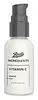 Key Ingredients
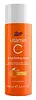
Benefits
Concerns
Ingredients Side-by-side
Water
Skin ConditioningGlycerin
Humectant


PEG-12 Dimethicone
Skin Conditioning
3-O-Ethyl Ascorbic Acid
Skin Conditioning




Phenoxyethanol
Preservative
PPG-26-Buteth-26
Skin ConditioningSodium Citrate
BufferingAmmonium Acryloyldimethyltaurate/Vp Copolymer
PEG-40 Hydrogenated Castor Oil
Emulsifying

Dipotassium Glycyrrhizate
Humectant
Chlorphenesin
Antimicrobial
Citric Acid
Buffering

Xanthan Gum
EmulsifyingAloe Barbadensis Leaf Juice
Skin Conditioning
Bisabolol
Antioxidant
Disodium EDTA
Maltodextrin
Absorbent
Potassium Sorbate
Preservative
Sodium Benzoate
Masking
Water, Glycerin, PEG-12 Dimethicone, 3-O-Ethyl Ascorbic Acid, Phenoxyethanol, PPG-26-Buteth-26, Sodium Citrate, Ammonium Acryloyldimethyltaurate/Vp Copolymer, PEG-40 Hydrogenated Castor Oil, Dipotassium Glycyrrhizate, Chlorphenesin, Citric Acid, Xanthan Gum, Aloe Barbadensis Leaf Juice, Bisabolol, Disodium EDTA, Maltodextrin, Potassium Sorbate, Sodium Benzoate
Water
Skin ConditioningPEG-40 Hydrogenated Castor Oil
Emulsifying
Propylene Glycol
Humectant
Methyl Gluceth-20
Humectant
Niacinamide
Smoothing




Sodium PCA
Humectant
Hamamelis Virginiana Water
Astringent
PEG-12 Dimethicone
Skin Conditioning
Sodium Gluconate
Skin ConditioningSodium Lactate
Buffering
Sodium Benzoate
Masking
Potassium Sorbate
Preservative
Disodium EDTA
PEG-12 Allyl Ether
Sodium Citrate
Buffering3-O-Ethyl Ascorbic Acid
Skin Conditioning
Citric Acid
Buffering
Butylene Glycol
Humectant
Aloe Barbadensis Leaf Juice
Skin Conditioning
Maltodextrin
Absorbent
Parfum
Masking

Limonene
Perfuming

Dipropylene Glycol
HumectantAscorbyl Tetraisopalmitate
Antioxidant
Sodium Hyaluronate
Humectant
Tocopheryl Acetate
Antioxidant
Benzyl Benzoate
Antimicrobial
Citrus Junos Fruit Extract
Skin ConditioningHexyl Cinnamal
Perfuming
Linalool
Perfuming
Butylphenyl Methylpropional
Perfuming
Benzyl Salicylate
Perfuming
Benzoic Acid
Masking
Denatonium Benzoate
Masking
Octadecyl Di-T-Butyl-4-Hydroxyhydrocinnamate
Antioxidant
Water, PEG-40 Hydrogenated Castor Oil, Propylene Glycol, Methyl Gluceth-20, Niacinamide, Sodium PCA, Hamamelis Virginiana Water, PEG-12 Dimethicone, Sodium Gluconate, Sodium Lactate, Sodium Benzoate, Potassium Sorbate, Disodium EDTA, PEG-12 Allyl Ether, Sodium Citrate, 3-O-Ethyl Ascorbic Acid, Citric Acid, Butylene Glycol, Aloe Barbadensis Leaf Juice, Maltodextrin, Parfum, Limonene, Dipropylene Glycol, Ascorbyl Tetraisopalmitate, Sodium Hyaluronate, Tocopheryl Acetate, Benzyl Benzoate, Citrus Junos Fruit Extract, Hexyl Cinnamal, Linalool, Butylphenyl Methylpropional, Benzyl Salicylate, Benzoic Acid, Denatonium Benzoate, Octadecyl Di-T-Butyl-4-Hydroxyhydrocinnamate
Reviews
Ingredients Explained
These ingredients are found in both products.
Ingredients higher up in an ingredient list are typically present in a larger amount.
You might know this ingredient as Ethyl Ascorbic Acid, a more stable version of ascorbic acid.
Like other types of vitamin C, this ingredient has many benefits including reducing wrinkles, skin soothing, dark spot fading, and fighting against free radicals.
3-O-Ethyl Ascorbic Acid interferes with the process of skin darkening, helping to reduce hyperpigmentation. It also encourages the skin to produce more collagen.
Once applied, 3-O-Ethyl Ascorbic Acid is converted to Vitamin C deeper in the skin's layers. This process is slow but makes this ingredient more tolerable for skin.
The optimum pH range for this ingredient is 4 - 5.5
Learn more about 3-O-Ethyl Ascorbic AcidAloe Barbadensis Leaf Juice comes from leaves of the aloe plant. Aloe Barbadensis Leaf Juice is best known for helping to soothe sunburns. It is also anti-inflammatory, moisturizing, antiseptic, and can help heal wounds.
Aloe is packed with good stuff including Vitamins A, C, and E. These vitamins are antioxidants, which help fight free-radicals and the damage they may cause. Free-radicals are molecules that may damage your skin cells, such as pollution.
Aloe Barbadensis Leaf Juice also contains sugars. These sugars come in the form of monosaccharides and polysaccharides, folic acid, and choline. These sugars are able to help bind moisture to skin.
It also contains minerals such as calcium, 12 anthraquinones, fatty acids, amino acids, and Vitamin B12.
Learn more about Aloe Barbadensis Leaf JuiceCitric Acid is an alpha hydroxy acid (AHA) naturally found in citrus fruits like oranges, lemons, and limes.
Like other AHAs, citric acid can exfoliate skin by breaking down the bonds that hold dead skin cells together. This helps reveal smoother and brighter skin underneath.
However, this exfoliating effect only happens at high concentrations (20%) which can be hard to find in cosmetic products.
Due to this, citric acid is usually included in small amounts as a pH adjuster. This helps keep products slightly more acidic and compatible with skin's natural pH.
In skincare formulas, citric acid can:
While it can provide some skin benefits, research shows lactic acid and glycolic acid are generally more effective and less irritating exfoliants.
Most citric acid used in skincare today is made by fermenting sugars (usually from molasses). This synthetic version is identical to the natural citrus form but easier to stabilize and use in formulations.
Read more about some other popular AHA's here:
Learn more about Citric AcidDisodium EDTA is a chelating agent. It grabs onto and deactivates metal ions that sneak into your products from water, packaging, or air.
This ingredient mainly works behind the scenes and helps with:
On top of that, this ingredient can counteract the effects of hard water by binding to the minerals in it.
One thing worth knowing is that Disodium EDTA has been shown to be a mild penetration enhancer. It can help other ingredients absorb into skin more effectively which can be a double-edged sword (great for actives, but can also make the active too strong if you have sensitive skin).
Clinical patch testing showed no significant skin irritation at typical use concentrations and minimal dermal absorption.
You'll most likely see this ingredient near the end of an ingredient list. It's typically found in concentrations less than 1%.
Learn more about Disodium EDTAMaltodextrin is a polysaccharide. It is derived from starch such as rice, corn, wheat, or potato starch.
In food, Maltodextrin is used to improve the texture and thicken a product. Due to its structure, it can help create a gel texture. As an emulsion stabilizer, it helps keep the ingredients in a product together.
As a polysaccharide, Maltodextrin has moisturizing properties. Polysaccharides are a type of carbohydrate. The top layer of skin uses polysaccharides to retain water, keeping the skin hydrated.
Maltodextrin is water soluble and has a sweet taste.
Learn more about MaltodextrinPEG-12 Dimethicone is a type of water-soluble silicone. It has skin conditioning and hydrating properties.
According to a manufacturer, this ingredient's stability is decreased by strong acid or alkali.
PEG-40 Hydrogenated Castor Oil is an emulsifier derived from castor oil.
As an emulsifying agent, it helps other ingredients like fragrances and fat-soluble vitamins dissolve cohesively.
Due to its large molecule size, it doesn't penetrate beyond the skin's surface.
This ingredient has a solid regulatory track record; the CIR Expert Panel first concluded it was safe for use in cosmetics at concentrations up to 100% in 1997. A 2012 reassessment reaffirmed that finding. Safety studies have also found no irritation or evidence of toxicity.
A 2019 study did find this ingredient to grow Malassezia, so this ingredient may not be fungal acne safe.
Learn more about PEG-40 Hydrogenated Castor OilPotassium Sorbate is a preservative used to prevent yeast and mold in products. It is commonly found in both cosmetic and food products.
This ingredient comes from potassium salt derived from sorbic acid. Sorbic acid is a natural antibiotic and effective against fungus.
Both potassium sorbate and sorbic acid can be found in baked goods, cheeses, dried meats, dried fruit, ice cream, pickles, wine, yogurt, and more.
You'll often find this ingredient used with other preservatives.
Learn more about Potassium SorbateSodium Benzoate is a preservative. It's used in both cosmetic and food products to inhibit the growth of mold and bacteria. It is typically produced synthetically.
Both the US FDA and EU Health Committee have approved the use of sodium benzoate. In the US, levels of 0.1% (of the total product) are allowed.
Sodium benzoate works as a preservative by inhibiting the growth of bacteria inside of cells. It prevents the cell from fermenting a type of sugar using an enzyme called phosphofructokinase.
It is the salt of benzoic acid. Foods containing sodium benzoate include soda, salad dressings, condiments, fruit juices, wines, and snack foods.
Studies for using ascorbic acid and sodium benzoate in cosmetics are lacking, especially in skincare routines with multiple steps.
We always recommend speaking with a professional, such as a dermatologist, if you have any concerns.
Learn more about Sodium BenzoateSodium Citrate is the sodium salts of citric acid. In skincare, it is used to alter pH levels and acts as a preservative.
Its main functions are to maintain the pH of a product and neutralize metal ions.
The acidity of our skin is maintained by our glands and skin biome; normal pH level of skin is slightly acidic (~4.75-5.5).
Being slightly acidic allows our skin to create an "acid mantle". This acid mantle is a thin barrier that protects our skin from bacteria and contaminants.
Learn more about Sodium CitrateWater. It's the most common cosmetic ingredient of all. You'll usually see it at the top of ingredient lists, meaning that it makes up the largest part of the product.
So why is it so popular? Water most often acts as a solvent - this means that it helps dissolve other ingredients into the formulation.
You'll also recognize water as that liquid we all need to stay alive. If you see this, drink a glass of water. Remember to stay hydrated!
Learn more about Water
