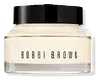
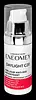
Bobbi Brown Vitamin Enriched Face Base Moisturizer & Primer with Vitamin C + Hyaluronic Acid Versus Eneomey Daylight C20
This barrier-repair day moisturizer is formulated around Squalane and Sodium Hyaluronate to strengthen the skin barrier and hydrate skin.
This smoothing day moisturizer is formulated around Glycolic Acid to refine skin texture and soften the look of wrinkles.


What's inside
What's inside
 Key Ingredients
Benefits
Concerns
Ingredients Side-by-side
Water
Skin ConditioningCyclopentasiloxane
Emollient
Bis-Diglyceryl Polyacyladipate-2
Emollient


Butylene Glycol
Humectant
PPG-2 Myristyl Ether Propionate
Emollient


Cetyl Alcohol
Emollient

PEG-40 Stearate
Emulsifying
Butyrospermum Parkii Butter
Skin Conditioning
Squalane
Emollient
Glyceryl Stearate
Emollient
Sorbitan Stearate
Emulsifying
Epilobium Angustifolium Extract
Skin ConditioningFaex Extract
Skin ConditioningBeta-Carotene
Skin ConditioningSodium Hyaluronate
Humectant

Citrus Grandis Peel Oil
Masking




Tocopheryl Acetate
Antioxidant


Methyl Glucose Sesquistearate
Emollient
Pelargonium Graveolens Flower Oil
Masking
Dimethicone Crosspolymer
Emulsion Stabilising
Acrylates/C10-30 Alkyl Acrylate Crosspolymer
Emulsion StabilisingCarbomer
Emulsion StabilisingPEG-20 Methyl Glucose Sesquistearate
Emulsifying
C12-15 Alkyl Ethylhexanoate
EmollientTetrasodium EDTA
Sodium Hydroxide
BufferingPanthenol
Skin Conditioning

Magnesium Ascorbyl Phosphate
Antioxidant


Limonene
Perfuming
Citronellol
Perfuming
Geraniol
Perfuming
Linalool
Perfuming
Chlorphenesin
Antimicrobial
Phenoxyethanol
Preservative
Water, Cyclopentasiloxane, Bis-Diglyceryl Polyacyladipate-2, Butylene Glycol, PPG-2 Myristyl Ether Propionate, Cetyl Alcohol, PEG-40 Stearate, Butyrospermum Parkii Butter, Squalane, Glyceryl Stearate, Sorbitan Stearate, Epilobium Angustifolium Extract, Faex Extract, Beta-Carotene, Sodium Hyaluronate, Citrus Grandis Peel Oil, Tocopheryl Acetate, Methyl Glucose Sesquistearate, Pelargonium Graveolens Flower Oil, Dimethicone Crosspolymer, Acrylates/C10-30 Alkyl Acrylate Crosspolymer, Carbomer, PEG-20 Methyl Glucose Sesquistearate, C12-15 Alkyl Ethylhexanoate, Tetrasodium EDTA, Sodium Hydroxide, Panthenol, Magnesium Ascorbyl Phosphate, Limonene, Citronellol, Geraniol, Linalool, Chlorphenesin, Phenoxyethanol
Water
Skin ConditioningGlycolic Acid
Buffering




Caprylic/Capric Triglyceride
Masking
Isopropyl Palmitate
Emollient
Bis-Diglyceryl Polyacyladipate-2
Emollient
Hydroxystearic/Linolenic/Linoleic Polyglycerides
EmollientDimethicone
Emollient
PEG-40 Stearate
Emulsifying
Ammonia
Buffering
Glyceryl Stearate
Emollient
Methyl Glucose Sesquistearate
Emollient
Sodium Hydroxide
BufferingTocopherol
Antioxidant
PEG-20 Methyl Glucose Sesquistearate
Emulsifying
Sorbitan Stearate
Emulsifying
Stearic Acid
Cleansing
Ceteareth-20
Cleansing
Stearyl Alcohol
Emollient
Stearamidopropyl Dimethylamine
EmulsifyingMagnesium Aluminum Silicate
Absorbent
Glycerin
Humectant
Lanolin Alcohol
Emollient
Xanthan Gum
EmulsifyingTetrasodium EDTA
Parfum
Masking
Water, Glycolic Acid, Caprylic/Capric Triglyceride, Isopropyl Palmitate, Bis-Diglyceryl Polyacyladipate-2, Hydroxystearic/Linolenic/Linoleic Polyglycerides, Dimethicone, PEG-40 Stearate, Ammonia, Glyceryl Stearate, Methyl Glucose Sesquistearate, Sodium Hydroxide, Tocopherol, PEG-20 Methyl Glucose Sesquistearate, Sorbitan Stearate, Stearic Acid, Ceteareth-20, Stearyl Alcohol, Stearamidopropyl Dimethylamine, Magnesium Aluminum Silicate, Glycerin, Lanolin Alcohol, Xanthan Gum, Tetrasodium EDTA, Parfum
Ingredients Explained
These ingredients are found in both products.
Ingredients higher up in an ingredient list are typically present in a larger amount.
Bis-Diglyceryl Polyacyladipate-2 is a synthetic emollient that works as a lanolin substitute.
This ingredient is a great vegan option for those avoiding animal-derived ingredients.
It mostly stays on the surface of skin where it helps hydrate due to its large molecular size and low water solubility.
Due to it being derived from fatty acids, this ingredient may not be Malassezia or fungal acne safe.
Learn more about Bis-Diglyceryl Polyacyladipate-2Glyceryl Stearate is made by reacting glycerin with stearic acid (typically sourced from plant oils like palm or coconut). It's an emulsifier, emollient, and mild occlusive.
Emulsifiers help ingredients like oil and water stay mixed so your formula stays nicely blended and uniform in texture.
This ingredient is typically used in concentrations between 1-10%. Studies have found it to be non-sensitizing, non-phototoxic, and non-photoallergenic.
A close cousin of this ingredient is Glyceryl Stearate SE ("self-emulsifying"). This just has a small amount of sodium or potassium stearate added so it can emulsify without a co-emulsifier.
Since this ingredient is an ester of a C18 fatty acid, it may not be fungal acne safe. The Malassezia yeast can potentially metabolize within the C11-C24 range.
Fun fact: The human body also creates Glyceryl Stearate naturally.
Learn more about Glyceryl StearateThis is a plant-derived emulsifier made from stearic acid. It mainly acts as a water-in-oil emulsifier to keep formulas blended and stable.
Human Repeat Insult Patch Test showed no irritation or sensitization and a 28-day study on 51 subjects found no intolerance reactions.
Due to it being made from stearic acid, this ingredient may not be Malassezia safe.
Learn more about Methyl Glucose SesquistearateThis is a corn-derived ingredient that acts as an oil-in-water emulsifier. It's great at forming lightweight and elegant emulsions for "milky" products.
In dermal testing, undiluted PEG-20 Methyl Glucose Sesquistearate scored a primary irratation index of zero and human repeated insult patch tests at concentrations up to 80% showed no irritation or sensitization. Because of this low irritation score, you'll likely see it in products designed for the eye area.
You'll typically find it at 0.5-3% in formulations. It's also often paired with its sibling, Methyl Glucose Sesquistearate, to create stable and mild emulsion systems.
The yeast that causes fungal acne loves fats and oils with a carbon chain length between 11 and 24. This ingredient contains stearic acid, which has a chain length of 18. Due to this, we mark this ingredient as not safe for fungal acne.
Learn more about PEG-20 Methyl Glucose SesquistearatePEG-40 Stearate is a nonionic emulsifier and surfactant made from stearic acid.
It's water-soluble and good at coaxing oil + water to mix to keep everything stable.
The CIR Expert Panel has repeatedly concluded this ingredient to be safe at current cosmetic use levels with minimal skin/eye irritation when tested at 100%.
Your skincare also won't be containing 100% of this ingredient: the supplier recommends using 1-5% in a formula.
Broader reviews back this up: PEGs and their fatty-acid esters produce little or no skin/eye irritation, don't readily penetract intact skin, and rarely cause sensitization.
Because this ingredient is a PEG ester of stearic acid, it may not be fungal acne, or Malassezia, safe. Stearic acid (C18) sits in the C11-24 "edible window" that Malassezia lipases can cleave and metabolize.
Learn more about PEG-40 StearateSodium Hydroxide is also known as lye or caustic soda. It is used to adjust the pH of products; many ingredients require a specific pH to be effective.
In small amounts, sodium hydroxide is considered safe to use. However, large amounts may cause chemical burns due to its high alkaline.
Your skin has a natural pH and acid mantle. This acid mantle helps prevent harmful bacteria from breaking through. The acid mantle also helps keep your skin hydrated.
"Alkaline" refers to a high pH level. A low pH level would be considered acidic.
Learn more about Sodium HydroxideSorbitan Stearate is an emulsifier made by reacting sorbitol with stearic acid.
It's mostly used to keep oil and water mixed so your formulas stay smooth and stable.
The Cosmetic Ingredient Review has found 4% of this ingredient in repeat-insult patch tests on humans to be non-sensitizing. There is a caveat that some reactions have shown up in patients with damaged or diseased skin.
Because it is an ester of a C18 fatty acid, it falls into the C11-24 range that the Malassezia yeast can metabolize. This means this ingredient may not be fungal acne safe.
Learn more about Sorbitan StearateTetrasodium EDTA is the salt formed from neutralizing ethylenediamine tetraacetic acid with sodium hydroxide. It is a chelating agent and used to prevent metal ions from binding to other ingredients. This helps keep the product and ingredients stable.
Tetrasodium EDTA comes as a white solid and is soluble in water.
Water. It's the most common cosmetic ingredient of all. You'll usually see it at the top of ingredient lists, meaning that it makes up the largest part of the product.
So why is it so popular? Water most often acts as a solvent - this means that it helps dissolve other ingredients into the formulation.
You'll also recognize water as that liquid we all need to stay alive. If you see this, drink a glass of water. Remember to stay hydrated!
Learn more about Water

