
What's inside
What's inside
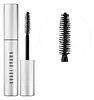 Key Ingredients
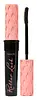
No key ingredients
Benefits
Concerns
Ingredients Side-by-side
Water
Skin ConditioningCera Alba
Emollient





Copernicia Cerifera Cera
Emollient
Cichorium Intybus Root Extract
MaskingHelianthus Annuus Seed Wax
Skin Conditioning
Stearic Acid
Cleansing
Palmitic Acid
Emollient
Propanediol
Solvent
Triethanolamine
BufferingNylon 6/12
AbsorbentGalactoarabinan

Caprylyl Glycol
Emollient
Aminomethyl Propanediol
BufferingCaesalpinia Spinosa Gum
Skin ConditioningAcacia Senegal Gum
MaskingPotassium Sorbate
Preservative
Myristic Acid
Cleansing
Behenic Acid
Cleansing
Arachidic Acid
Cleansing
Oleic Acid
Emollient
Phenoxyethanol
Preservative
Mica
Cosmetic ColorantCI 77891
Cosmetic ColorantCI 77499
Cosmetic ColorantCI 77492
Cosmetic ColorantCI 77491
Cosmetic ColorantCI 77163
Cosmetic Colorant
CI 19140
Cosmetic ColorantCI 42090
Cosmetic ColorantCI 77007
Cosmetic ColorantCI 77510
Cosmetic ColorantCI 75470
Cosmetic ColorantCI 77742
Cosmetic ColorantCI 77289
Cosmetic ColorantCI 77288
Cosmetic ColorantWater, Cera Alba, Copernicia Cerifera Cera, Cichorium Intybus Root Extract, Helianthus Annuus Seed Wax, Stearic Acid, Palmitic Acid, Propanediol, Triethanolamine, Nylon 6/12, Galactoarabinan, Caprylyl Glycol, Aminomethyl Propanediol, Caesalpinia Spinosa Gum, Acacia Senegal Gum, Potassium Sorbate, Myristic Acid, Behenic Acid, Arachidic Acid, Oleic Acid, Phenoxyethanol, Mica, CI 77891, CI 77499, CI 77492, CI 77491, CI 77163, CI 19140, CI 42090, CI 77007, CI 77510, CI 75470, CI 77742, CI 77289, CI 77288
Water
Skin ConditioningParaffin
Skin Conditioning
Polybutene
Cera Alba
Emollient
Bis-Diglyceryl Polyacyladipate-2
Emollient
Palmitic Acid
Emollient
Stearic Acid
Cleansing
Vp/Eicosene Copolymer
Acacia Senegal Gum
MaskingCopernicia Cerifera Wax
Aminomethyl Propanediol
Buffering1,2-Hexanediol
Skin Conditioning
Caprylyl Glycol
Emollient
Silica
Abrasive


Euphorbia Cerifera Cera
Astringent
Hydroxyethylcellulose
Emulsion StabilisingPanthenol
Skin Conditioning

Butylene Glycol
Humectant
Hydroxyacetophenone
Antioxidant
Chlorphenesin
Antimicrobial
Pentylene Glycol
Skin Conditioning
Tocopheryl Acetate
Antioxidant

Algin
MaskingSerine
Masking
Disodium Phosphate
BufferingSodium Phosphate
BufferingPolysorbate 60
Emulsifying
CI 77499
Cosmetic ColorantWater, Paraffin, Polybutene, Cera Alba, Bis-Diglyceryl Polyacyladipate-2, Palmitic Acid, Stearic Acid, Vp/Eicosene Copolymer, Acacia Senegal Gum, Copernicia Cerifera Wax, Aminomethyl Propanediol, 1,2-Hexanediol, Caprylyl Glycol, Silica, Euphorbia Cerifera Cera, Hydroxyethylcellulose, Panthenol, Butylene Glycol, Hydroxyacetophenone, Chlorphenesin, Pentylene Glycol, Tocopheryl Acetate, Algin, Serine, Disodium Phosphate, Sodium Phosphate, Polysorbate 60, CI 77499
Reviews
Ingredients Explained
These ingredients are found in both products.
Ingredients higher up in an ingredient list are typically present in a larger amount.
Acacia Senegal Gum has skin soothing, thickening, and formulation stabilizing properties. It comes from the Acacia tree that is native to sub-Saharan Africa.
We don't have a description for Aminomethyl Propanediol yet.
Caprylyl Glycol is a humectant, skin conditioner, emollient, and preservative booster derived from either caprylic acid or synthetically created.
Typical use levels vary from 0.3-1% as a preservative booster and go up to 2% to condition skin.
Because it is not a free-fatty acid, this ingredient is fungal acne safe (there's nothing for Malassezia to feed on).
Learn more about Caprylyl GlycolThis is another name for beeswax; it's a natural wax produced by honey bees to build their honeycomb.
Because it forms a protective layer on your skin, it can help lock in moisture and reduce water loss. It is also widely used as a thickener and emulsifier in lip balms and lotions. Research suggests beeswax containing moisturizers can support skin barrier integrity.
In comedogenic testing, Beeswax scored a 0-2, which is on the low end. Whether or not a product clogs your pores really comes down to the formula as a whole (not any single ingredient on its own) and your skin.
Beeswax is not vegan since it is animal-derived. It cannot be removed with water, but can be taken off with an oil cleanser.
People with a known Propolis allergy also report to have reactions from beeswax.
Beeswax's wax esters are derived primarily from palmitic and oleic acid (C16 and C18:1). Both of these fall within the C11-C24 feeding window.
The Malassezia yeast can potentially cleave these esters and release usable fatty acids, so this ingredient may not be fungal acne safe. However, not everyone will react to this ingredient.
Learn more about Cera AlbaCi 77499 is also hydrated iron III oxide. It is created from mixing red and black iron oxides. This helps give shades of darkness to a product.
Iron III oxides are classified as inorganic chemicals for coloring.
Palmitic Acid is a fatty acid naturally found in our skin and in many plant and animal sources.
In cosmetics, it is usually derived from palm oil. It serves many purposes in skincare, acting as a cleanser, emollient, and emulsifier.
Interestingly, topically applied Palmitic Acid can be elongated into longer chain fatty acids and ceramides. A 2019 study found low levels of Palmitic Acid lead to slower development of cells, suggesting it plays a role in keeping your skin's renewal process on track.
The CIR (Cosmetic Ingredient Review) panel determined it safe as used in cosmetics at concentrations up to 13%. It is non-irritating and non-sensitizing in clinical studies.
The culprit behind fungal acne, the Malassezia yeast, feeds on fatty acids with carbon chain lengths between C11-C24. Palmitic Acid, at C16, falls right into that sweet spot.
In vitro studies have shown that Palmitic Acid is one of the fatty acids that induce rapid Malassezia growth in lab settings.
It's worth noting that what feeds yeast in a lab doesn't necessarily feed it on your face since formulation and your skin's chemistry play a bigger role.
This ingredient does have a comedogenic rating of 2, but this doesn't mean a formula with this ingredient will clog pores.
Human testing has proved that any finished product with a comedogenic ingredient won't automatically make you break out; it really comes down to concentration, formula, and your skin.
Learn more about Palmitic AcidStearic Acid is a fatty acid that is already found in your skin. It's one of the free fatty acids that works alongside ceramides and cholesterols to maintain your barrier.
In cosmetics, it is a multitasker:
Safety-wise, the CIR Expert Panel has concluded it to be safe in cosmetics when formulated to be non-irritating and non-sensitizing.
Free stearic acid is a C18 fatty acid that the Malassezia yeast can substrate, so this ingredient may not be fungal acne safe.
This ingredient does have a comedogenic rating of 2-3, but this doesn't mean a formula with this ingredient will clog pores.
Human testing has proved that any finished product with this ingredient won't automatically make you break out; it really comes down to concentration, formula, and your skin.
Learn more about Stearic AcidWater. It's the most common cosmetic ingredient of all. You'll usually see it at the top of ingredient lists, meaning that it makes up the largest part of the product.
So why is it so popular? Water most often acts as a solvent - this means that it helps dissolve other ingredients into the formulation.
You'll also recognize water as that liquid we all need to stay alive. If you see this, drink a glass of water. Remember to stay hydrated!
Learn more about Water

