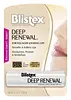
This anti-aging lip moisturizer is formulated around Atelocollagen to soften the look of wrinkles.
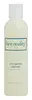
This mild gel cleanser is made to cleanse while calming and soothing your skin.

What's inside
What's inside
 Key Ingredients
No key ingredients
Benefits
Concerns
Ingredients Side-by-side
Butyl Methoxydibenzoylmethane 3%
UV Absorber
Dimethicone 2%
Emollient

Ethylhexyl Methoxycinnamate 6.6%
UV Absorber

Ethylhexyl Salicylate 4.4%
UV Absorber
Atelocollagen
Skin Conditioning
Beeswax
Emulsion Stabilising




Butylene Glycol
Humectant

Dipalmitoyl Hydroxyproline
Skin Conditioning
Ethylhexyl Palmitate
Emollient
Aroma


Jojoba Esters
Emollient
Lanolin Alcohol
Emollient
Microcrystalline Wax
Emulsion StabilisingOctyldodecanol
Emollient
Pentaerythrityl Tetraisostearate
Emollient
Pentylene Glycol
Skin Conditioning
Petrolatum
Emollient
Phenoxyethanol
Preservative
Polybutene
Ricinus Communis Seed Oil
Masking
Saccharin
MaskingSilica Dimethyl Silylate
EmollientSodium Chondroitin Sulfate
Skin ConditioningSodium Hyaluronate
Humectant

Sorbic Acid
Preservative
Squalane
Emollient
Tetrahexyldecyl Ascorbate
Antioxidant




Tocopheryl Acetate
Antioxidant
Ubiquinone
Antioxidant
Butyl Methoxydibenzoylmethane 3%, Dimethicone 2%, Ethylhexyl Methoxycinnamate 6.6%, Ethylhexyl Salicylate 4.4%, Atelocollagen, Beeswax, Butylene Glycol, Dipalmitoyl Hydroxyproline, Ethylhexyl Palmitate, Aroma, Jojoba Esters, Lanolin Alcohol, Microcrystalline Wax, Octyldodecanol, Pentaerythrityl Tetraisostearate, Pentylene Glycol, Petrolatum, Phenoxyethanol, Polybutene, Ricinus Communis Seed Oil, Saccharin, Silica Dimethyl Silylate, Sodium Chondroitin Sulfate, Sodium Hyaluronate, Sorbic Acid, Squalane, Tetrahexyldecyl Ascorbate, Tocopheryl Acetate, Ubiquinone
Water
Skin ConditioningCocamidopropyl Betaine
Cleansing
Glycerin
Humectant
Decyl Glucoside
Cleansing
Lauryl Glucoside
CleansingXanthan Gum
EmulsifyingGlycyrrhiza Glabra Root Extract
Bleaching

Fomes Officinalis Extract
Skin ProtectingCamellia Oleifera Leaf Extract
AstringentPanthenol
Skin Conditioning
Disodium EDTA
Hamamelis Virginiana Water
Astringent
Citric Acid
Buffering
Alcohol
Antimicrobial
Butylene Glycol
Humectant
Potassium Sorbate
Preservative
Phenoxyethanol
Preservative
Ethylhexylglycerin
Skin ConditioningWater, Cocamidopropyl Betaine, Glycerin, Decyl Glucoside, Lauryl Glucoside, Xanthan Gum, Glycyrrhiza Glabra Root Extract, Fomes Officinalis Extract, Camellia Oleifera Leaf Extract, Panthenol, Disodium EDTA, Hamamelis Virginiana Water, Citric Acid, Alcohol, Butylene Glycol, Potassium Sorbate, Phenoxyethanol, Ethylhexylglycerin
Ingredients Explained
These ingredients are found in both products.
Ingredients higher up in an ingredient list are typically present in a larger amount.
Butylene Glycol (or BG) is used within cosmetic products for a few different reasons:
Overall, Butylene Glycol is a safe and well-rounded ingredient that works well with other ingredients.
Though this ingredient works well with most skin types, some people with sensitive skin may experience a reaction such as allergic rashes, closed comedones, or itchiness.
Learn more about Butylene GlycolPhenoxyethanol is one of the most widely used preservatives in skincare (and for good reason!).
It has a large spectrum of antimicrobial activity and especially effective bacteria, yeast, and mold while only having a weak effect on your skin's natural microbiome.
On a cellular level, it disrupts the cell membranes of microbes by poking holes that make the cell leak. This shuts down the chemical reactions the microbe needs to make energy so it can no longer survive.
Another perk of this ingredient is that it stays functional across a wide pH range (3-10).
You'll often see it paired with boosters like Ethylhexylglycerin; one study showed that a 1:9 ratio of Ethylhexylglycerin to Phenoxyethanol damages bacterial membranes as effectively as doubling the Phenoxyethanol concentration on its own.
Typical use concentrations range from 0.3-1% depending on the formula, and this ingredient is capped at 1% int the EU.
Safety-wise, the fear mongering does not hold up to the evidence. The EU's Scientific Committee on Consumer Safety and FDA consider it safe as a preservative at up to 1%, including for children of all ages.
Adverse systemic effects only showed up in animal studies at exposures roughly 200x higher than what people get from cosmetics. And despite its very widespread use, this ingredient is a rare sensitizer and allergic reactions are uncommon.
Learn more about Phenoxyethanol

