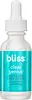
This smoothing treatment is formulated around Gluconolactone and Glycolic Acid to refine skin texture and refine the look of pores.
This acne serum is formulated around Salicylic Acid and Gluconolactone to clear breakouts and refine skin texture.

What's inside
What's inside
 Key Ingredients
Benefits
Concerns
Ingredients Side-by-side
Water
Skin ConditioningGlycerin
Humectant


Ethoxydiglycol
HumectantGluconolactone
Skin Conditioning






Glycolic Acid
Buffering




Diheptyl Succinate
EmollientSodium Hydroxide
BufferingSalicylic Acid
Masking



Lactic Acid
Buffering
Citric Acid
Buffering
Glycyrrhiza Glabra Root Extract
Bleaching

Camellia Oleifera Leaf Extract
AstringentChondrus Crispus Extract
Skin Conditioning
Populus Tremuloides Bark Extract
AntiseborrhoeicAloe Barbadensis Leaf Juice
Skin Conditioning
Hamamelis Virginiana Water
Astringent
Sodium Hyaluronate
Humectant
Lecithin
Emollient
Xanthan Gum
EmulsifyingCapryloyl Glycerin/Sebacic Acid Copolymer
Skin ConditioningMethyl Methacrylate/Glycol Dimethacrylate Crosspolymer
Sodium Acrylates Copolymer
Butylene Glycol
Humectant
Phenoxyethanol
Preservative
Potassium Sorbate
Preservative
Sodium Benzoate
Masking
Benzoic Acid
Masking
Sodium Sulfite
Preservative
Water, Glycerin, Ethoxydiglycol, Gluconolactone, Glycolic Acid, Diheptyl Succinate, Sodium Hydroxide, Salicylic Acid, Lactic Acid, Citric Acid, Glycyrrhiza Glabra Root Extract, Camellia Oleifera Leaf Extract, Chondrus Crispus Extract, Populus Tremuloides Bark Extract, Aloe Barbadensis Leaf Juice, Hamamelis Virginiana Water, Sodium Hyaluronate, Lecithin, Xanthan Gum, Capryloyl Glycerin/Sebacic Acid Copolymer, Methyl Methacrylate/Glycol Dimethacrylate Crosspolymer, Sodium Acrylates Copolymer, Butylene Glycol, Phenoxyethanol, Potassium Sorbate, Sodium Benzoate, Benzoic Acid, Sodium Sulfite
Salicylic Acid 1.5%
Masking
Aloe Barbadensis Leaf Juice
Skin Conditioning
Propanediol
Solvent
Glycerin
Humectant
Sodium Citrate
BufferingMusa Sapientum Fruit Extract
Skin ConditioningGluconolactone
Skin Conditioning
Lysolecithin
EmulsifyingSclerotium Gum
Emulsion StabilisingMaltodextrin
Absorbent
Sodium Benzoate
Masking
Sodium Hydroxide
BufferingPullulan
Xanthan Gum
EmulsifyingLactobacillus Ferment
Skin Conditioning
Tocopherol
Antioxidant

Silica
Abrasive
Helianthus Annuus Seed Oil
Emollient

Calcium Gluconate
HumectantBeta-Glucan
Skin Conditioning
1,2-Hexanediol
Skin Conditioning
Caprylyl Glycol
Emollient
Pyrus Malus Fruit Extract
Skin Conditioning
Morinda Citrifolia Fruit Extract
Skin Conditioning
Salicylic Acid 1.5%, Aloe Barbadensis Leaf Juice, Propanediol, Glycerin, Sodium Citrate, Musa Sapientum Fruit Extract, Gluconolactone, Lysolecithin, Sclerotium Gum, Maltodextrin, Sodium Benzoate, Sodium Hydroxide, Pullulan, Xanthan Gum, Lactobacillus Ferment, Tocopherol, Silica, Helianthus Annuus Seed Oil, Calcium Gluconate, Beta-Glucan, 1,2-Hexanediol, Caprylyl Glycol, Pyrus Malus Fruit Extract, Morinda Citrifolia Fruit Extract
Reviews
Ingredients Explained
These ingredients are found in both products.
Ingredients higher up in an ingredient list are typically present in a larger amount.
Aloe Barbadensis Leaf Juice is the filtered, stabilized liquid pressed from the inner gel of the aloe vera leaf.
In cosmetics, it shows up as either soothing active or a water-replacement base. It is roughly 98-99% water and the last 1-2% is an interesting mix of polysaccharides, amino acids, vitamins, minerals, and enzymes.
The polysaccharides do most of the work: they bind water at the skin surface for a light, non-greasy hydration boost. And one of the polysaccharides, glycomannan, is linked to fibroblast stimulation + collagen synthesis. This is also why aloe has such a long track record in wound and burn healing.
This ingredient is also calming with anti-inflammatory and mild antimicrobial activity, making it a great pick for sensitive, irritated, or post-sun skin.
Realistic expectations matter though; the solid evidence is mostly limited to hydration, soothing, and wound support. Deeper claims about anti-aging or sun protection are not well backed, and science reviews note it does not prevent radiation-induced skin injury.
Because it plays well with almost everything, it's commonly used as a base alongside other actives like niacinamide or vitamin C.
Typical usage concentrations range from 0.5% (where hydration benefits already show up) all the way to 90%+ (where it replaces water as the main base).
The safety for this ingredient is well-establish as well. Overall, this is a great supporting ingredient for those who want a boost in hydration.
Learn more about Aloe Barbadensis Leaf JuiceGluconolactone is a PHA. PHAs are a great gentle alternative to traditional AHAs.
When applied, Gluconolactone has the same affect on skin as AHAs such as lactic acid. It helps dissolve the dead skin cells in the top layer of your skin. This improves texture and brightens the skin.
PHAs are more gentle than AHAs due to their larger structure. They do not penetrate as deeply as AHAs and take a longer time to dissolve dead cells. Studies show PHAs do not cause as much irritation.
Gluconolactone has some interesting properties:
In a 2004 study, Gluconolactone was found to prevent UV damage in mouse skin cells and has not been found to increase sun sensitivity. However, we still recommend wearing SPF daily.
This ingredient is is an created by reacting gluconic acid with an alcohol.
Learn more about GluconolactoneGlycerin (or glycerol) is a compound naturally found in your skin. It's a powerhouse humectant that pulls water into the stratum corneum.
Topically, glycerin does several things at once:
Your skin makes glycerin on its own (mostly from sebaceous oil breakdown) and shuttles it to your outermost layer of skin, or your epidermis, via aquaporin-3.
Aquaporin-3 is a transporter that is essential for normal skin hydration, elasticity, and repair. Interestingly, mice lacking in AQP3 have dry and less elastic skin that can be fully corrected with glycerin.
This ingredient is non-irritating, plays well with almost every ingredient, and works across all skin types. Typical use is anywhere between 3-10% but can go up to 79% in some leave-on products.
Just know very high concentrations (>40%) can feel tacky in low humidity.
Glycerin is the name for this ingredient in American English. British English uses Glycerol/Glycerine.
Learn more about GlycerinSalicylic Acid (also known as beta hydroxy acid or BHA) is a well-known ingredient for treating skin that struggles with acne and clogged pores. It exfoliates both the skin's surface and deep within the pores to help clear out buildup, control oil, and reduce inflammation.
Unlike AHAs (alpha hydroxy acids), salicylic acid is oil-soluble. This allows it to penetrate into pores which makes it especially effective for treating blackheads and preventing future breakouts.
Salicylic acid is also known for its soothing properties. It has a similar structure to aspirin and can calm inflamed or irritated skin, making it a good option for acne-prone skin that is also sensitive.
Concentrations of 0.5-2% are recognized by the U.S. FDA as an over-the-counter topical acne product.
It can cause irritation and/or dryness if one's skin already has a compromised moisture barrier, so it's best to focus on repairing that before introducing this ingredient into your routine.
While salicylic acid does not increase sun sensitivity, it’s still important to wear sunscreen daily to protect your skin.
If you are looking for the ingredient called BHA or Butylated Hydroxyanisole, click here.
Learn more about Salicylic AcidSodium Benzoate is a preservative. It's used in both cosmetic and food products to inhibit the growth of mold and bacteria. It is typically produced synthetically.
Both the US FDA and EU Health Committee have approved the use of sodium benzoate. In the US, levels of 0.1% (of the total product) are allowed.
Sodium benzoate works as a preservative by inhibiting the growth of bacteria inside of cells. It prevents the cell from fermenting a type of sugar using an enzyme called phosphofructokinase.
It is the salt of benzoic acid. Foods containing sodium benzoate include soda, salad dressings, condiments, fruit juices, wines, and snack foods.
Studies for using ascorbic acid and sodium benzoate in cosmetics are lacking, especially in skincare routines with multiple steps.
We always recommend speaking with a professional, such as a dermatologist, if you have any concerns.
Learn more about Sodium BenzoateSodium Hydroxide is also known as lye or caustic soda. It is used to adjust the pH of products; many ingredients require a specific pH to be effective.
In small amounts, sodium hydroxide is considered safe to use. However, large amounts may cause chemical burns due to its high alkaline.
Your skin has a natural pH and acid mantle. This acid mantle helps prevent harmful bacteria from breaking through. The acid mantle also helps keep your skin hydrated.
"Alkaline" refers to a high pH level. A low pH level would be considered acidic.
Learn more about Sodium HydroxideXanthan gum is used as a stabilizer and thickener within cosmetic products. It helps give products a sticky, thick feeling - preventing them from being too runny.
On the technical side of things, xanthan gum is a polysaccharide - a combination consisting of multiple sugar molecules bonded together.
Xanthan gum is a pretty common and great ingredient. It is a natural, non-toxic, non-irritating ingredient that is also commonly used in food products.
Learn more about Xanthan Gum

