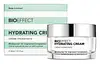
This anti-aging moisturizer is formulated around Sodium Hyaluronate and Sh-Oligopeptide-1 to soften the look of wrinkles and hydrate skin.
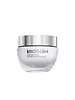
This barrier-repair moisturizer is formulated around Centella Asiatica Extract and Vitreoscilla Ferment to strengthen the skin barrier and hydrate skin.

What's inside
What's inside
 Key Ingredients
Benefits
Concerns
Ingredients Side-by-side
Water
Skin ConditioningCaprylic/Capric Triglyceride
Masking


Butylene Glycol
Humectant
C12-20 Acid PEG-8 Ester
Emulsifying

Cetyl Alcohol
Emollient
Tocopherol
Antioxidant





Phenoxyethanol
Preservative
Sodium Hyaluronate
Humectant
Ethylhexylglycerin
Skin ConditioningCarbomer
Emulsion StabilisingSorbitan Oleate
Emulsifying

Potassium Sorbate
Preservative
Potassium Hydroxide
BufferingCitric Acid
Buffering
Hordeum Vulgare Seed Extract
Skin ConditioningSh-Oligopeptide-1
Skin Conditioning

Water
Skin ConditioningGlycerin
Humectant
Dicaprylyl Ether
Emollient
Pentylene Glycol
Skin Conditioning
Polyglyceryl-6 Distearate
Emulsifying
Propanediol
Solvent
Cetyl Esters
Emollient
Jojoba Esters
Emollient
Cetearyl Isononanoate
Emollient
Behenyl Alcohol
Emollient
Centella Asiatica Extract
Cleansing

Adenosine
Skin Conditioning
Capryloyl Salicylic Acid
Exfoliating



Hydroxyacetophenone
Antioxidant
Sodium Hyaluronate
Humectant
Trisodium Ethylenediamine Disuccinate
ChelatingTriticum Vulgare Seed Extract
BufferingVitreoscilla Ferment
Skin Conditioning
Tocopherol
Antioxidant
Ceramide NP
Skin Conditioning
Acacia Decurrens Flower Cera
Emollient
Acrylamide/Sodium Acryloyldimethyltaurate Copolymer
Emulsion StabilisingCetyl Alcohol
Emollient
Helianthus Annuus Seed Cera
Emollient
Hydroxypropyl Starch Phosphate
Isohexadecane
EmollientPolyglycerin-3
Humectant
Polyglyceryl-3 Beeswax
Emulsifying
Polysorbate 80
Emulsifying
Sodium Stearoyl Glutamate
CleansingSorbitan Oleate
Emulsifying
Parfum
Masking


Water, Glycerin, Dicaprylyl Ether, Pentylene Glycol, Polyglyceryl-6 Distearate, Propanediol, Cetyl Esters, Jojoba Esters, Cetearyl Isononanoate, Behenyl Alcohol, Centella Asiatica Extract, Adenosine, Capryloyl Salicylic Acid, Hydroxyacetophenone, Sodium Hyaluronate, Trisodium Ethylenediamine Disuccinate, Triticum Vulgare Seed Extract, Vitreoscilla Ferment, Tocopherol, Ceramide NP, Acacia Decurrens Flower Cera, Acrylamide/Sodium Acryloyldimethyltaurate Copolymer, Cetyl Alcohol, Helianthus Annuus Seed Cera, Hydroxypropyl Starch Phosphate, Isohexadecane, Polyglycerin-3, Polyglyceryl-3 Beeswax, Polysorbate 80, Sodium Stearoyl Glutamate, Sorbitan Oleate, Parfum
Reviews
Ingredients Explained
These ingredients are found in both products.
Ingredients higher up in an ingredient list are typically present in a larger amount.
Cetyl Alcohol is a fatty alcohol. Fatty Alcohols are most often used as an emollient or to thicken a product.
Its main roles are:
Though it has "alcohol" in the name, it is not related to denatured alcohol or ethyl alcohol.
The FDA allows products labeled "alcohol-free" to have fatty alcohols.
This ingredient may not be fungal acne safe. It is a primary fatty alcohol with a chain length above 12 carbons. A study from 2019 show Malassezia can feed on fatty alcohols in this range, so it may trigger fungal acne in those prone to it.
Learn more about Cetyl AlcoholSodium Hyaluronate is the salt form of hyaluronic acid. It is a long sugar chain that is naturally found in your skin, joints, and connective tissue that maintains hydration and elasticity.
In skincare, it works as a humectant. It pulls water from the environment and deeper layers of skin and binds it to the surface.
Interestingly, the size of the molecule affects its behavior:
Some clinical evidence links low molecular weight versions to improved wrinkle depth, elasticity, anti-inflammatory effects, and barrier repair.
Many serums use a blend of both weights so you can get surface hydration plus longer-lasting and deeper effects.
You'll typically see concentrations between 0.1-2% for this ingredient.
Learn more about Sodium HyaluronateSorbitan Oleate is a PEG-free emulsifier made by esterifying sorbitol with oleic acid.
You'll likely see it paired with Polysorbate 80 to create the right emulsification balance.
Typical use levels in formulas range from 2-10%.
The CIR Expert Panel has concluded this ingredient to be safe as a cosmetic ingredient.
Since this ingredient is an ester of oleic acid, it may not be fungal acne safe. Oleic acid is a fatty acid that falls into the C11-24 range that Malassezia can metabolize.
This ingredient does have a comedogenic rating of 3, but this doesn't mean a formula with this ingredient will clog pores. Human testing has proved that any finished product with a comedogenic ingredient won't automatically make you break out; it really comes down to concentration, formula, and your skin.
Learn more about Sorbitan OleateTocopherol is a fat-soluble antioxidant known as Vitamin E.
You'll find this ingredient in the vast majority of skincare (for good reason). It works to neutralize free radicals, or unstable molecules generated by UV exposure, pollution, and other environmental stressors, before they can cause oxidative damage to your skin cells.
Topically applied tocopherol has been shown to protect against UV damage by ramping up the skin's own natural defense enzymes.
It also acts as a skin conditioning agent; some studies show that regular topical use can improve the skin's water-binding capacity over 2-4 weeks.
This ingredient is especially loved for being a team player. When combined with Vitamin C, the photoprotective effect of both ingredients roughly doubles and the combo also helps reduce UV-induced DNA damage.
This ingredient has some brightening potential but it's more of a prevention ingredient than spot-fader. Cell studies show it can slow down melanin production but it's worth noting that it's not the most powerful brightener out there.
In formulations, it also serves as a stabilizer that helps protect other oxidation-prone ingredients from degrading.
Concentrations usually range from 0.1-1% in most leave-on products.
Learn more about TocopherolWater. It's the most common cosmetic ingredient of all. You'll usually see it at the top of ingredient lists, meaning that it makes up the largest part of the product.
So why is it so popular? Water most often acts as a solvent - this means that it helps dissolve other ingredients into the formulation.
You'll also recognize water as that liquid we all need to stay alive. If you see this, drink a glass of water. Remember to stay hydrated!
Learn more about Water


