

What's inside
What's inside
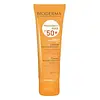 Key Ingredients
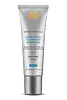
Benefits
Concerns
Ingredients Side-by-side
Water
Skin ConditioningDicaprylyl Carbonate
EmollientOctocrylene
UV Absorber


Methylene Bis-Benzotriazolyl Tetramethylbutylphenol
UV Filter
Butyl Methoxydibenzoylmethane
UV Absorber

Bis-Ethylhexyloxyphenol Methoxyphenyl Triazine
Skin Conditioning
Cyclomethicone
Emollient
C20-22 Alkyl Phosphate
EmulsifyingGlyceryl Stearate
Emollient
PEG-100 Stearate
Ectoin
Skin Conditioning




Mannitol
Humectant
Xylitol
Humectant
Rhamnose
HumectantFructooligosaccharides
Humectant
Laminaria Ochroleuca Extract
Skin Conditioning
C20-22 Alcohols
Emulsion StabilisingDecyl Glucoside
CleansingHydroxyethyl Acrylate/Sodium Acryloyldimethyl Taurate Copolymer
Emulsion StabilisingPentylene Glycol
Skin ConditioningXanthan Gum
EmulsifyingPropylene Glycol
Humectant
Citric Acid
Buffering





Caprylic/Capric Triglyceride
Masking
Disodium EDTA
Sodium Hydroxide
BufferingChlorphenesin
Antimicrobial
Phenoxyethanol
Preservative
Water, Dicaprylyl Carbonate, Octocrylene, Methylene Bis-Benzotriazolyl Tetramethylbutylphenol, Butyl Methoxydibenzoylmethane, Bis-Ethylhexyloxyphenol Methoxyphenyl Triazine, Cyclomethicone, C20-22 Alkyl Phosphate, Glyceryl Stearate, PEG-100 Stearate, Ectoin, Mannitol, Xylitol, Rhamnose, Fructooligosaccharides, Laminaria Ochroleuca Extract, C20-22 Alcohols, Decyl Glucoside, Hydroxyethyl Acrylate/Sodium Acryloyldimethyl Taurate Copolymer, Pentylene Glycol, Xanthan Gum, Propylene Glycol, Citric Acid, Caprylic/Capric Triglyceride, Disodium EDTA, Sodium Hydroxide, Chlorphenesin, Phenoxyethanol
Water
Skin ConditioningEthylhexyl Methoxycinnamate
UV Absorber
Drometrizole Trisiloxane
UV Absorber
Glycerin
Humectant
Propylene Glycol
Humectant
Dimethicone
Emollient
Titanium Dioxide
Cosmetic Colorant
Alcohol Denat.
Antimicrobial


Pentylene Glycol
Skin ConditioningTerephthalylidene Dicamphor Sulfonic Acid
UV Absorber
Diethylamino Hydroxybenzoyl Hexyl Benzoate
UV Filter
Triethanolamine
BufferingBis-Ethylhexyloxyphenol Methoxyphenyl Triazine
Skin Conditioning
Stearic Acid
Cleansing
Potassium Cetyl Phosphate
EmulsifyingTocopherol
Antioxidant

Sodium Cocoyl Sarcosinate
CleansingPhenoxyethanol
Preservative
PEG-100 Stearate
Palmitic Acid
Emollient
Xanthan Gum
EmulsifyingTromethamine
BufferingCaprylyl Glycol
Emollient
Carbomer
Emulsion StabilisingDisodium EDTA
Cetyl Alcohol
Emollient
Butylene Glycol
Humectant
Butyrospermum Parkii Seedcake Extract
Skin Protecting
Aluminum Hydroxide
EmollientGlyceryl Stearate
Emollient
Water, Ethylhexyl Methoxycinnamate, Drometrizole Trisiloxane, Glycerin, Propylene Glycol, Dimethicone, Titanium Dioxide, Alcohol Denat., Pentylene Glycol, Terephthalylidene Dicamphor Sulfonic Acid, Diethylamino Hydroxybenzoyl Hexyl Benzoate, Triethanolamine, Bis-Ethylhexyloxyphenol Methoxyphenyl Triazine, Stearic Acid, Potassium Cetyl Phosphate, Tocopherol, Sodium Cocoyl Sarcosinate, Phenoxyethanol, PEG-100 Stearate, Palmitic Acid, Xanthan Gum, Tromethamine, Caprylyl Glycol, Carbomer, Disodium EDTA, Cetyl Alcohol, Butylene Glycol, Butyrospermum Parkii Seedcake Extract, Aluminum Hydroxide, Glyceryl Stearate
Reviews
Ingredients Explained
These ingredients are found in both products.
Ingredients higher up in an ingredient list are typically present in a larger amount.
You might know this ingredient as Tinosorb S or Bemotrizinol. It is a UV filter that covers both UVA and UVB rays.
This ingredient has two peak UV absorption peaks ( 310 and 340 nm) and is able to absorb both UV-A and UV-B rays. This ingredient works by preventing UV rays from reaching and damaging your skin.
On top of that - it is highly photostable and helps prevent the photodegration of other sunscreen ingredients such as avobenzone.
Tinosorb S is allowed in the EU, Australia, and Asia. It is close to being approved by the FDA and we'll hopefully get this ingredient in the U.S. by late 2025.
Fun fact: Tinosorb S is the most effective UV absorber at maximum concentration (measured by SPF) permitted in the EU.
This ingredient is oil-soluble, so your oil-cleansers will take this right off at night.
Learn more about Bis-Ethylhexyloxyphenol Methoxyphenyl TriazineDisodium EDTA plays a role in making products more stable by aiding other preservatives.
It is a chelating agent, meaning it neutralizes metal ions that may be found in a product.
Disodium EDTA is a salt of edetic acid and is found to be safe in cosmetic ingredients.
Learn more about Disodium EDTAGlyceryl Stearate is a mix of glycerin and stearic acid.
It is used to stabilize the mixing of water and oil ingredients. By preventing these ingredients from separating, it can help elongate shelf life. It can also help thicken the product's texture.
As an emollient, it helps soften skin and supports barrier-replenishing ingredients.
In cosmetics, Glyceryl Stearate is often made from vegetable oils or synthetically produced.
This ingredient may not be fungal-acne safe
Fun fact: The human body also creates Glyceryl Stearate naturally.
Learn more about Glyceryl StearatePeg-100 Stearate is an emollient and emulsifier. As an emollient, it helps keep skin soft by trapping moisture in. On the other hand, emulsifiers help prevent oil and water from separating in a product.
PEGS are a hydrophilic polyether compound . There are 100 ethylene oxide monomers in Peg-100 Stearate. Peg-100 Stearate is polyethylene glycol ester of stearic acid.
Pentylene glycol is typically used within a product to thicken it. It also adds a smooth, soft, and moisturizing feel to the product. It is naturally found in plants such as sugar beets.
The hydrophilic trait of Pentylene Glycol makes it a humectant. As a humectant, Pentylene Glycol helps draw moisture from the air to your skin. This can help keep your skin hydrated.
This property also makes Pentylene Glycol a great texture enhancer. It can also help thicken or stabilize a product.
Pentylene Glycol also acts as a mild preservative and helps to keep a product microbe-free.
Some people may experience mild eye and skin irritation from Pentylene Glycol. We always recommend speaking with a professional about using this ingredient in your routine.
Pentylene Glycol has a low molecular weight and is part of the 1,2-glycol family.
Learn more about Pentylene GlycolPhenoxyethanol is a preservative that has germicide, antimicrobial, and aromatic properties. Studies show that phenoxyethanol can prevent microbial growth. By itself, it has a scent that is similar to that of a rose.
It's often used in formulations along with Caprylyl Glycol to preserve the shelf life of products.
Propylene Glycol is an odorless, colorless liquid. As a humectant, it helps skin retain moisture. It also aids in delivering active ingredients.
Another role of this ingredient is preventing a product from melting or freezing. Propylene glycol also adds antimicrobrial properties to a product, elongating product lifespan.
This ingredient is considered an organic alcohol and commonly added into both cosmetics and foods.
Those with sensitive skin or conditions may develop a rash when using this ingredient.
Learn more about Propylene GlycolWater. It's the most common cosmetic ingredient of all. You'll usually see it at the top of ingredient lists, meaning that it makes up the largest part of the product.
So why is it so popular? Water most often acts as a solvent - this means that it helps dissolve other ingredients into the formulation.
You'll also recognize water as that liquid we all need to stay alive. If you see this, drink a glass of water. Stay hydrated!
Learn more about WaterXanthan gum is used as a stabilizer and thickener within cosmetic products. It helps give products a sticky, thick feeling - preventing them from being too runny.
On the technical side of things, xanthan gum is a polysaccharide - a combination consisting of multiple sugar molecules bonded together.
Xanthan gum is a pretty common and great ingredient. It is a natural, non-toxic, non-irritating ingredient that is also commonly used in food products.
Learn more about Xanthan Gum
